
Ron Johnson's 'Stop Scaring Seniors Act' Could Add Trillions to the Debt
The Republican senator's Social Security proposal promises calm for retirees; experts say the bill's arithmetic lands on the national debt instead.
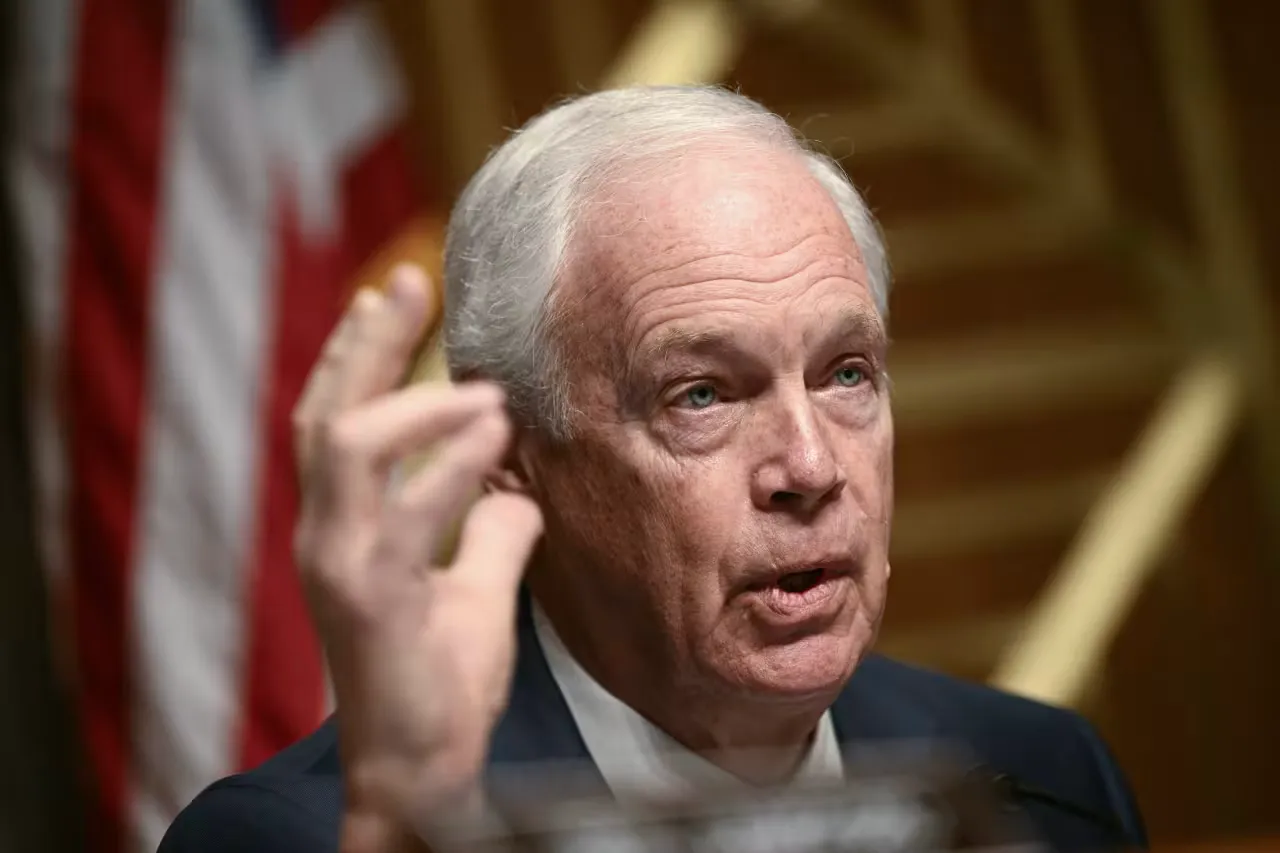
Sen. Ron Johnson, the Republican senator behind the 'Stop Scaring Seniors Act,' has proposed a Social Security fix that experts say could add trillions of dollars to the national debt. For executives and boards, the proposal is a live test of how Washington plans to finance entitlement promises, and therefore a signal on long-run interest rates and tax policy.
Sen. Ron Johnson wants to stop scaring seniors. The Wisconsin Republican's proposal, branded the "Stop Scaring Seniors Act," is being pitched as a fix for Social Security, and the experts who have weighed in on it keep landing on the same number: trillions of dollars in potential additions to the national debt. That is the entire tension in one line. The bill's name promises calm for retirees. The arithmetic, according to the analysis, lands on the federal balance sheet instead.
Start with why anyone would name a bill that way. Social Security is the largest single program in the federal budget and the primary retirement income for tens of millions of Americans. It is also, historically, the third rail of American politics: touch the benefits or the payroll tax that funds them and you typically pay for it at the next election. A bill called "Stop Scaring Seniors" is therefore doing two jobs at once. It is a policy proposal, and it is a message to one of the most reliable voting blocs in the country that their checks are safe. The catch, per the experts weighing in, is that the reassurance carries a price, and the price is measured in debt.
The debt backdrop is what makes the price tag matter. Washington already carries a national debt measured in the tens of trillions of dollars, and the interest on that debt has become one of the fastest-growing costs in the federal budget. Adding trillions more, even spread across many years, does not stay contained in a spreadsheet. It competes directly with everything else the government funds, from defense to infrastructure to the agencies that regulate the industries our readers work in. It also raises the government's own cost of borrowing, which historically feeds into the rates that businesses and households pay. A Social Security headline, in other words, is also a bond market headline.
Here is the mechanical question the experts are circling. Social Security is financed primarily by payroll taxes, with a trust fund that has historically absorbed the gap when costs outrun revenue. When that fund's income falls short, the Treasury covers the difference, and the difference shows up as borrowing. Any proposal that increases what beneficiaries receive, reduces what workers pay in, or delays a hard fix typically shifts the burden onto general revenue and, by extension, onto the debt. The debate over Johnson's bill is really a debate about which of those levers it pulls, and whether the financing closes the gap or widens it. That is the question a formal score would answer, and until one exists, the trillions figure is the number to watch.
There is a generational angle that gets lost in the branding. Social Security is a transfer between working-age Americans and retirees, and the demographics have been tilting against the math for years. Trustees' projections have long pointed to a shortfall in the 2030s absent changes, which is why the program has been a perennial campaign issue without a durable legislative fix. A bill that borrows to smooth the transition effectively moves the cost from today's retirees to tomorrow's taxpayers. For a 30-year-old reader, that is not an abstraction. It is the difference between a program that pays out as promised and one that gets patched on the fly.
The second-order effects are where this gets interesting for anyone running a business. Fiscal policy sets the baseline for interest rates, and interest rates set the baseline for valuations, hiring plans, and capital budgets. If debt-financed entitlement proposals gain traction, the reasonable planning assumption is a higher long-run rate environment than the one that prevailed through the 2010s. That is not a prediction about this bill's fate. It is a reminder that entitlement math is macro math, and macro math eventually reaches the cost of the loan a founder signs or the yield a pension fund needs to hit.
What to watch next is procedural, and it is where the story actually resolves. The proposal needs an official cost estimate before the trillions figure can be confirmed or revised, and it needs a committee path before it becomes anything more than a press release with a memorable name. Watch whether the bill gets a hearing, whether a score lands, and how both parties position themselves ahead of the trust fund's projected depletion date. Social Security reform has failed for decades because the winners and losers are easy to identify and the timeline is long. A bill that promises not to scare anyone is an attempt to change that political calculus.
The strategic takeaway is simple. The name of Johnson's bill is a promise about feelings. The debt number is a promise about consequences. Experts weighing in are telling you which one to price in. For executives and boards, the practical move is to treat any Social Security proposal as a fiscal signal, not just a retirement story: it tells you how serious Washington is about the debt, how much room there is for tax changes, and what the long-run cost of capital is likely to look like. That is worth more than a headline, and it is worth watching closely.
This story's Key Insights and Take-aways are locked.
Create a free account to unlock Executive Actions for one credit.
Register to UnlockAlways free for Executives Club members. Join the Club
More in Politics

Fifth Circuit Kills Pregnant Workers' Law Over Pandemic Proxy Votes
A procedural ruling, not a policy one, has blocked a federal pregnancy-accommodation law and put every pandemic-era statute in the crosshairs ahead of an expected Supreme Court appeal.

Measles kills a Virginia child under 5, the state's first death of 2026
Virginia's health department confirmed the death but withheld the child's vaccination status, leaving schools, clinics and employers to plan around the one detail that would explain the most.

Former Brazilian President Bolsonaro Hospitalized with Intestinal Obstruction
The health status of the former far-right leader raises immediate questions about political stability and the trajectory of Brazil's conservative movement.