
Sanderson Confirms Stormlight Book 6, and Roshar Skips a Decade
Wind and Truth closed the first five-book arc in December 2024; the next Stormlight novel opens roughly a decade later on Roshar, and the real-world gap is the number that shapes the franchise.
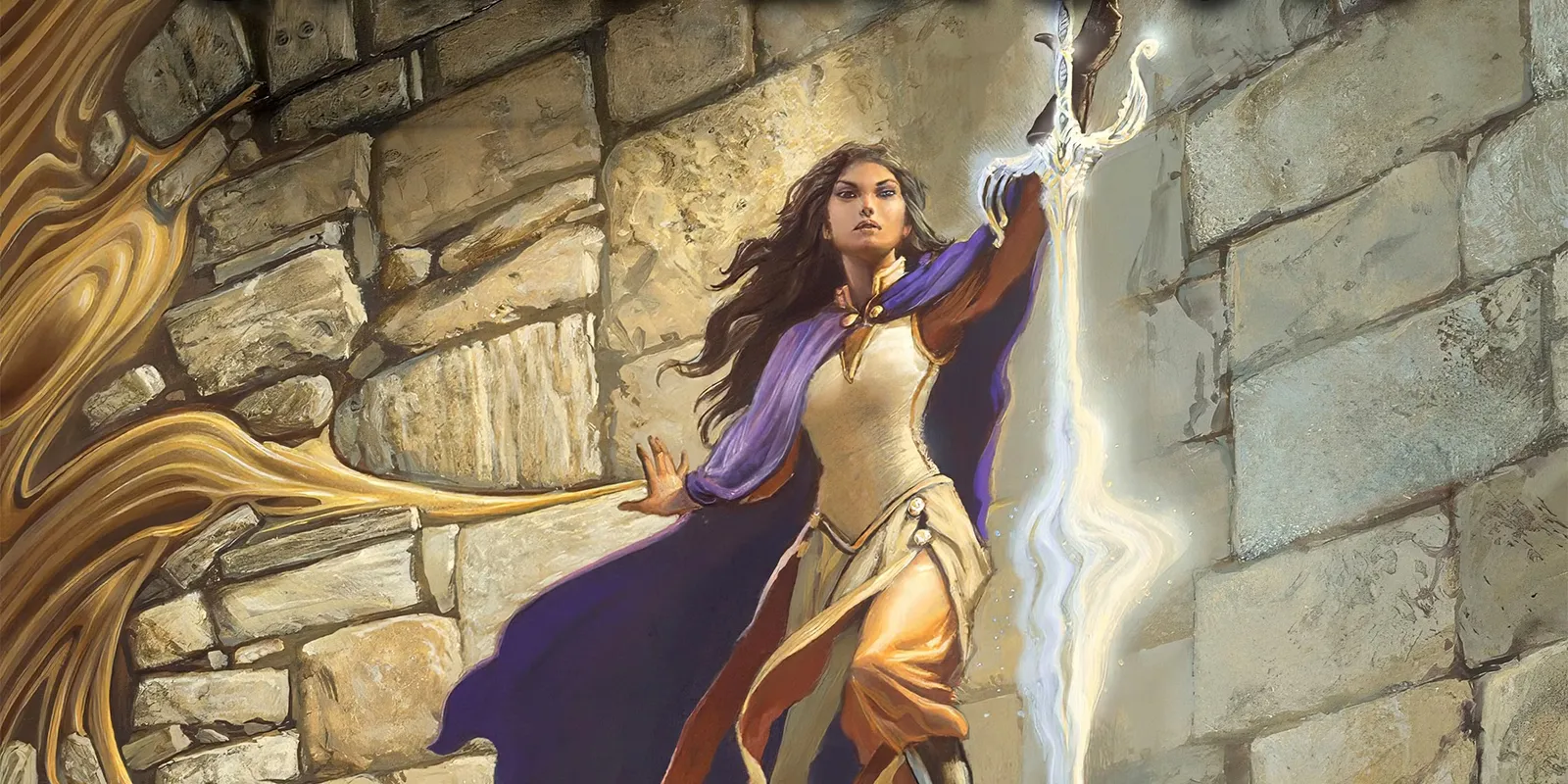
Brandon Sanderson has confirmed his plans for Book 6 of The Stormlight Archive, the first full-length novel since Wind and Truth closed the series' five-book arc in December 2024, with roughly a decade passing in-world before the story resumes. For publishers, IP holders, and anyone managing a long-cycle franchise, the update is a case study in how cadence and clear communication, not just the product, decide whether an audience stays bought in across a multi-year gap.
Brandon Sanderson has confirmed his plans for Book 6 of The Stormlight Archive, the next full-length novel in the epic fantasy series and the first since Wind and Truth closed out the five-book arc in December 2024. The update answers the question readers have been sitting on since that final page: what comes next, and how long they will have to wait. Sanderson's answer is a plan, and it includes when he intends to begin writing. What it does not include is a return to the moment the last book left off.
When the story picks up again, roughly a decade will have passed for the people who live on Roshar. That is the detail worth sitting with. A ten-year jump is not narrative housekeeping; it is a reset of the board. Characters age out of the roles they were written into, alliances harden into institutions, and everything the survivors of the first arc built gets ten years to either hold or rot. Readers will arrive at a world that moved on without them, which is exactly the kind of structural bet that separates a franchise built to last from one coasting on momentum.
The gap Sanderson is managing is really two gaps. On Roshar, a decade evaporates between chapters. On Earth, readers measure the wait in years of their own lives, and that is the number that shapes the business. Anticipation is an asset that appreciates, right up until it does not. Historically, long-running series have lived and died on cadence: the interval between installments sets the temperature of the fan base, the reorder velocity at retailers, and the willingness of casual readers to stay bought in. Every extra year is a chance to grow the audience and a chance to lose it, often in the same news cycle.
For context on why a single announcement carries this much weight: a flagship series is not one product, it is a calendar. Hardcover, paperback, audiobook, translated editions, and boxed sets are typically sequenced years in advance, and each new volume drags the backlist forward with it. Wind and Truth closing an arc in December 2024 turned the first five books into a complete, giftable, bingeable unit. Book 6 restarts that engine. Publishers, retailers, and audio producers plan shelf space, print runs, and headcount around exactly this kind of confirmation, which is why the timing of the announcement matters almost as much as the book itself.
There is also the adaptation question that shadows any property at this scale. For context, streamers and studios have spent the past decade competing for fantasy IP with a locked-in, chronically online readership, because that audience shows up pre-assembled and does its own marketing at scale. A finished five-book arc plus a confirmed continuation is the shape of asset that gets circled in those rooms. Nothing in Sanderson's update promises a screen deal, and it would be a mistake to read one into it. What the update does is keep the underlying property in motion, which is the precondition for every conversation that follows.
The second-order lesson for anyone running a franchise is about the discipline of the announcement itself. Sanderson did not tease a mystery or dangle a maybe. He confirmed a plan and a start window for the writing. That distinction matters more than it sounds. Creators who promise without dates train their audience to discount them, and audiences that feel strung along do not leave quietly; they leave loudly, in public, and they take the casual fans with them. Naming what is coming and when you begin is a competitive advantage in a market where attention is the scarcest input.
There is a counterargument worth naming: a ten-year jump is also a re-onboarding problem. Readers who drifted during the gap now face a world with new power structures and aged characters, and the series has to bring them back without drowning loyalists in recap. That is the tax on a long interval. It is also, handled well, a feature. A time jump lets a writer skip the boring decade and hand readers only the consequences.
For the people who run creative businesses, the takeaway is uncomfortable and simple. The asset is not the book, it is the interval. A decade can pass on Roshar in a sentence, but the reader's decade is spent in real time, deciding whether to keep caring. Sanderson has now given his readers a reason to keep the calendar marked. Peers managing any long-cycle property, whether that is a book series, a game franchise, or a platform roadmap, face the same arithmetic: cadence compounds, and so does silence.
This story's Key Insights and Take-aways are locked.
Create a free account to unlock Executive Actions for one credit.
Register to UnlockAlways free for Executives Club members. Join the Club
More in Entertainment

GTA 6 banks $3.8bn in one day, torching every launch record
One game just out-earned every video game launch and every single-day film box office haul in history, and the fallout lands on every media CEO's forecast.

GTA VI Racked Up $3.79 Billion in a Single Day, Topping Every Film Ever
A 13-year wait produced a $3.79 billion day, more than any movie has made in its entire run, and it resets the launch math for every studio, streamer, and brand chasing the same attention.

GTA 6 sells 32.5M pre-sales and $3.79B day one, torches 13-year record
Rockstar's sequel didn't just beat Grand Theft Auto V's 13-year-old benchmark; it reset what a launch can be, with 32.5 million pre-sale copies and $3.79 billion in a single day.