
Science Corp raises $400m, pushing its PRIMA vision implant into Europe
The Series D takes total funding past $900m since 2021, and the bet is that a vision implant can clear Europe's regulatory maze before rivals scale.
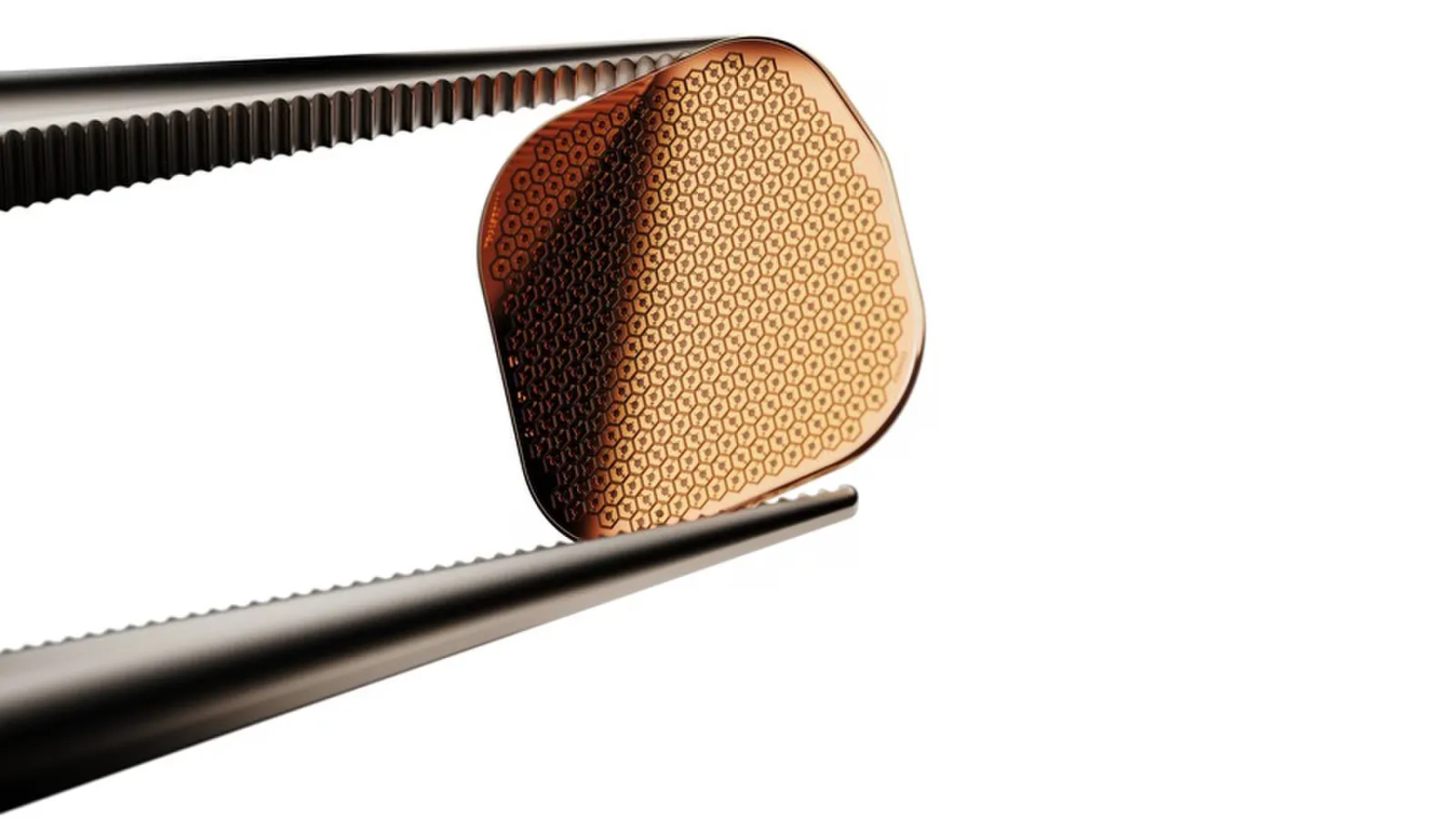
Science Corporation, the US brain-computer interface company, has raised $400m in a Series D, taking total funding past $900m since its 2021 founding, with the capital aimed at expanding its PRIMA vision implant in Europe. For medtech founders and boards, the round resets the capital bar in neurotech and shifts the competitive question from whether the science works to who wins regulatory clearance and reimbursement first.
Science Corporation has raised $400m in a Series D round, the US brain-computer interface company said in a blog post on Tuesday, taking its total funding past $900m since it was founded in 2021. The stated purpose of the new capital is expansion: pushing PRIMA, the company's vision implant, further into Europe. That single sentence does a lot of work. It tells you the company believes its next meaningful milestone is regulatory and clinical progress outside the United States, and it tells you investors are willing to fund that belief at a scale few neurotech companies have ever seen.
The size is the story. A $400m Series D is a late-stage number, the kind typically reserved for companies with revenue, a cleared product, or a near-certain path to one. Science Corp is a brain-computer interface company founded in 2021, which means it has raised more than $900m in roughly four years. For context, most neurotech startups raise in the tens of millions across their entire private life. The syndicate reflects that ambition: Khosla Ventures, Tenet Healthcare, Y Combinator, 885 Capital, PLC Neurotech and the Ackman Oxman Institute are among the investors named in the post. The mix matters. Khosla and Y Combinator are venture names. Tenet Healthcare is a provider-side name, and its presence points to interest in how a device like this eventually reaches patients and gets paid for.
Europe is the tell. In the United States, a novel implant typically has to clear an investigational device exemption before it can be tested in humans, then a premarket approval or de novo pathway before it can be sold. That process is rigorous and, historically, slow. In Europe, devices have historically reached market through CE marking under the Medical Device Regulation, a framework that was overhauled in 2021 and has since become notably stricter, with notified bodies in short supply and reviews taking longer. Even so, for many device makers Europe remains the first commercial market because the pathway can be more predictable than the US one. The catch is reimbursement. Approval is one thing; getting a national health system to pay for an implant is another, and in Europe that decision is made country by country, which means a company can win a CE mark and still spend years negotiating coverage.
PRIMA is a vision implant, which places Science Corp in a specific corner of the brain-computer interface field. The sector splits roughly in two. One camp builds devices that read neural activity, translating thought into cursor movement or speech. The other builds devices that write to the nervous system, stimulating cells to restore a lost sense. Vision restoration sits in the second camp. The general idea behind implants of this class is to bypass damaged tissue and deliver a signal to the cells that remain, giving the brain something it can interpret as sight. That is a hardware problem, a materials problem, a surgical problem and a software problem at once, which is a large part of why the field has historically been capital-hungry and slow to commercialize.
A $400m round buys a specific kind of time. Clinical trials in multiple countries, manufacturing lines that can produce an implant at consistent quality, regulatory submissions, and the commercial infrastructure to support surgeons and clinics. It also buys credibility with regulators and hospital systems, who tend to take a company more seriously when it is not one bad quarter away from running out of cash. The second-order effect is competitive. When one company in a capital-intensive field raises at this scale, rivals face a choice: raise comparably, partner, or narrow their ambitions. That pressure tends to accelerate consolidation and to push the whole field's timelines forward, for better and worse.
Watch three things from here. First, European regulatory milestones: any CE mark, trial authorization, or named country launch is the real scoreboard, not the round size. Second, clinical data. A balance sheet above $900m raises the bar for what counts as a good result, and investors will eventually want published outcomes rather than demonstrations. Third, reimbursement. The company's ability to get payers to cover PRIMA will determine whether this becomes a device business or a research program with a large bank account. Note also the disclosure itself: the raise was announced in a blog post, not a press release, which is increasingly how private companies with strong hands choose to communicate.
For founders and boards in medtech and neurotech, the lesson is about sequencing. Science Corp is spending its largest round on geographic expansion of a single product rather than on a new platform, which suggests the company believes the hard scientific work is far enough along that the bottleneck has moved to regulation and distribution. That is a bet peers should examine closely. The questions a board should be asking are not whether the technology is impressive, but which market clears first, who pays, and how much capital it takes to get from a working implant to a reimbursed procedure. On the evidence of this round, Science Corp's answer is Europe, and it is willing to spend $400m to find out.
This story's Key Insights and Take-aways are locked.
Create a free account to unlock Executive Actions for one credit.
Register to UnlockAlways free for Executives Club members. Join the Club
More in Technology

Anthropic mathematician claims Claude helped crack the Riemann hypothesis
If the proof holds, AI has toppled math's most famous open problem; if it does not, it is a case study in announcing breakthroughs before anyone verifies them.

AI's $4 Trillion Wipeout Erases Nasdaq's Gains for the Year
A brutal week took roughly $4 trillion off the AI sector and left the Nasdaq flat for the year, and the damage ran the full length of the supply chain.

Anthropic mathematician says AI proved the Riemann hypothesis. Verification will take time.
A single unverified claim from inside Anthropic now sits against more than 160 years of open mathematics, and the gap between asserting a proof and surviving peer review is the entire story.