

Social Security's 2027 raise finally outruns the Medicare premium hike
The Hill says retirees' net checks improve in 2027 after this year's premium squeeze, and the gap between the raise and the deduction is the only number that hits a household budget.

The Hill reports that retirees' net Social Security math looks better in 2027 than it did this year, with the annual cost-of-living adjustment outpacing the Medicare Part B premium that is withheld from monthly checks. For advisers, benefits planners, and policy watchers, the story is a reminder that the figure retirees actually live on is the net deposit, not the headline raise.
The number retirees actually feel in 2027 is not the raise. It is the raise minus the Medicare premium. The Hill's read on the new math: that subtraction leaves retirees better off in 2027 than it did this year. That is a reversal worth understanding, because for the tens of millions of Americans who collect Social Security, the cost-of-living adjustment and the Medicare Part B premium arrive as one net figure on the same monthly deposit. Nobody budgets the gross number. They live on the net.
Here is the machinery. Each fall, Social Security announces its annual cost-of-living adjustment, or COLA, calculated from summer inflation data. Weeks later, the Centers for Medicare & Medicaid Services announces the following year's Part B premium, which covers outpatient care and physician services. For most beneficiaries, that premium is never billed separately. It is pulled straight out of the monthly Social Security check before the money reaches a bank account. So a raise paired with a premium increase that eats most of it can leave a retiree with a check that barely budges, even though the headline says benefits went up.
When the premium outruns the raise, a provision known as hold harmless typically steps in for most beneficiaries, preventing the net check from shrinking. It is a floor, not a raise. And it does not cover everyone. Beneficiaries who pay income-related premium surcharges, known as IRMAA, are excluded, as are new enrollees and people who do not have premiums withheld from Social Security. That carve-out matters more than it sounds, because the population paying surcharges keeps growing as more retirees cross the income thresholds that trigger them.
The Hill's framing is comparative, and the comparison is doing real work. Better than this year is not the same as comfortable. It means the gap between the raise and the deduction widens in retirees' favor rather than narrowing. For a household on a fixed income, that gap is the entire budget conversation. It decides whether the prescription copay goes up, whether the car gets fixed, whether the grandkids get a birthday check. A few dollars a month compounds across twelve months into a real line item.
Which is why this arithmetic is never just arithmetic. Social Security is the third rail of American politics because it touches nearly every household, and the net-check number is the one voters remember. A year in which the premium hike swallows the raise generates a wave of zero-raise headlines even when the gross benefit rose. A year in which it does not hands incumbents a talking point. The 2027 math, as The Hill describes it, lands in the second category, and that has consequences well beyond retirees' bank accounts.
Zoom out and the structural picture has not moved. Medicare premium growth has historically outpaced general inflation over long stretches, because healthcare costs do. Social Security's trustees have for years projected that the program's reserves would be depleted within roughly a decade absent congressional action, which would trigger automatic across-the-board benefit cuts. A better 2027 net check does not change that trajectory. It changes the near-term experience of the people living on the program, which is a different and more immediate thing.
There is also a distributional story hiding inside the averages. Retirees with modest incomes are the ones hold harmless protects, and the ones for whom a few dollars a month is decisive. Higher-income retirees, the ones paying IRMAA surcharges, absorb the premium increase directly and get no floor. Two households can read the same headline and experience opposite outcomes. That is why any claim about retirees doing better or worse should come with a qualifier about which retirees.
Watch two dates. The COLA announcement lands in the fall, based on summer inflation data. The Part B premium follows weeks later. The order matters, because the first number gets the press conference and the second number decides whether the press conference mattered. For financial advisers, benefits planners, and the employers who sponsor retiree health coverage, the practical takeaway is unchanged: model the net, not the gross. For everyone else it is simpler. The raise is the headline. The premium is the reality.
This story's Key Insights and Take-aways are locked.
Create a free account to unlock Executive Actions for one credit.
Register to UnlockAlways free for Executives Club members. Join the Club
More in Politics
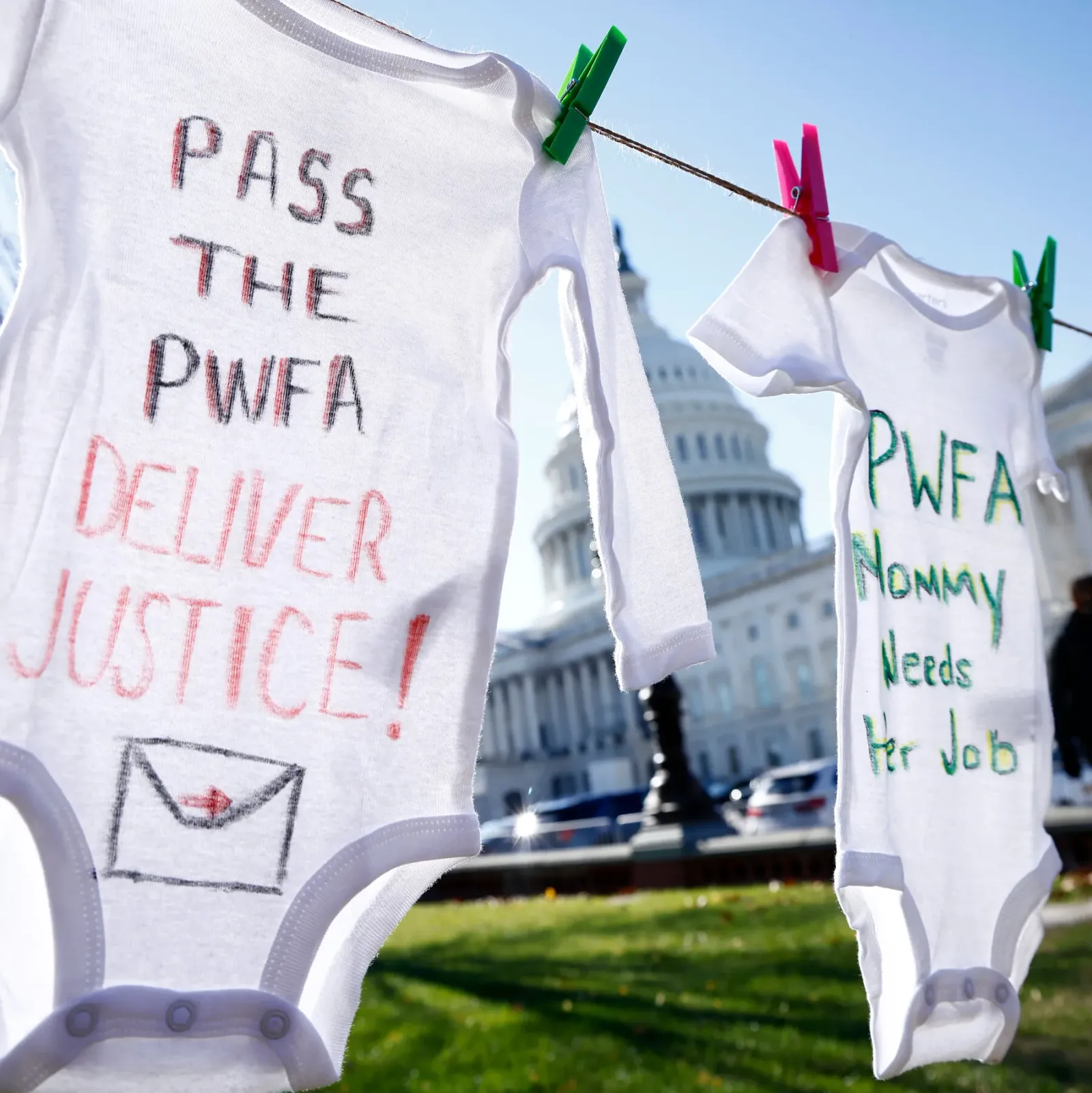
Fifth Circuit Kills Pregnant Workers' Law Over Pandemic Proxy Votes
A procedural ruling, not a policy one, has blocked a federal pregnancy-accommodation law and put every pandemic-era statute in the crosshairs ahead of an expected Supreme Court appeal.

Measles kills a Virginia child under 5, the state's first death of 2026
Virginia's health department confirmed the death but withheld the child's vaccination status, leaving schools, clinics and employers to plan around the one detail that would explain the most.

Former Brazilian President Bolsonaro Hospitalized with Intestinal Obstruction
The health status of the former far-right leader raises immediate questions about political stability and the trajectory of Brazil's conservative movement.