
Spain’s Euro-era football peace? Catalonia’s flags stayed out of the 2026 squad
A decade after Catalan unrest hit pitches, this year’s Spain team looks built for normal relations with Madrid.
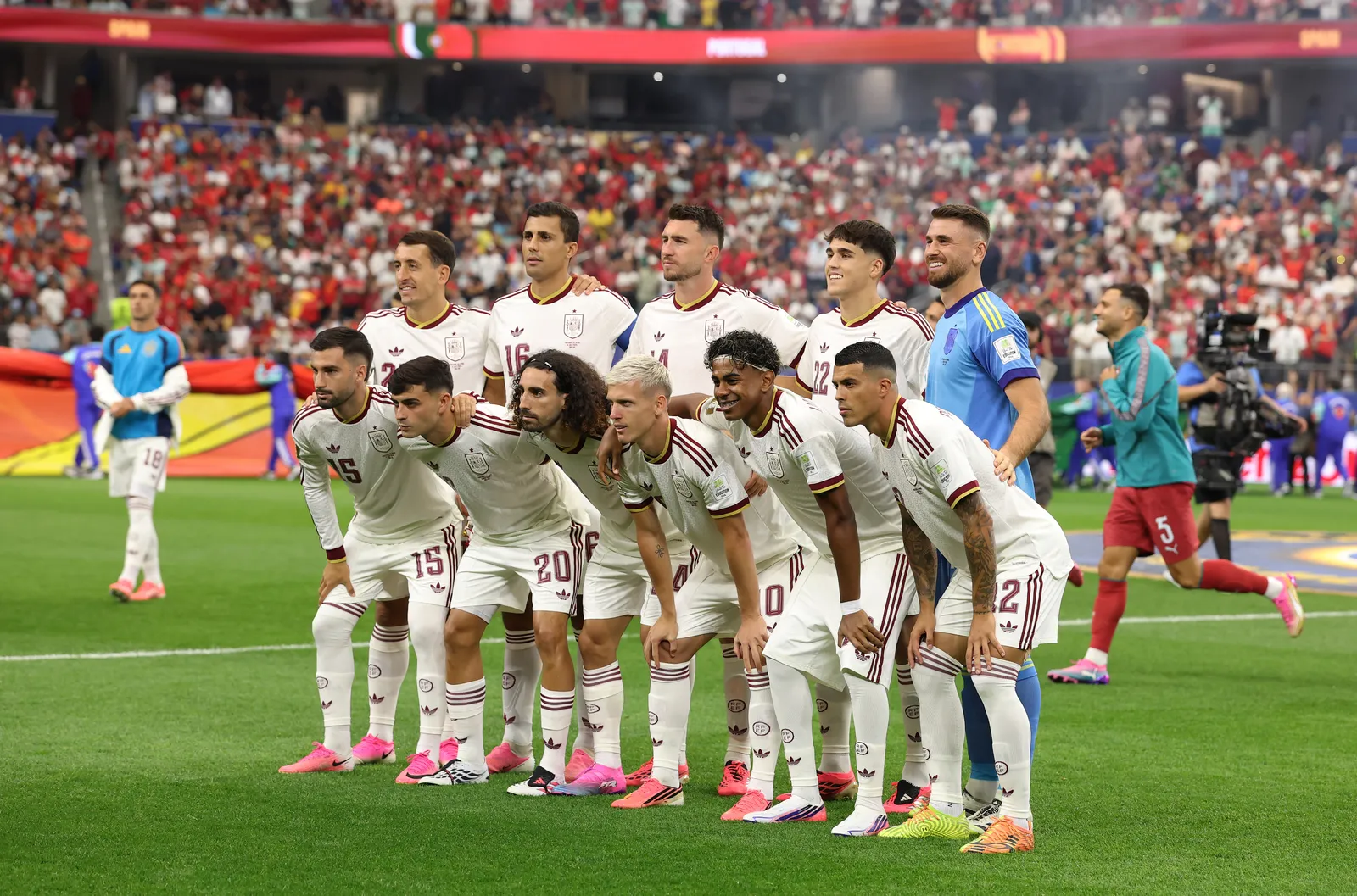
Spain’s national team heading into a World Cup quarter-final against Belgium Friday includes multiple Catalan-born players, but The consequence: boards and brands watching football’s political optics have a live case study in how incentives and public backlash can cool regional tensions.
Separatist politics have a habit of showing up in unexpected places. For years, they spilled onto Spanish football pitches, turning matches into more than sport. Politico points out that in Catalonia, clubs like FC Barcelona historically functioned as symbols for the pro-independence movement, with fans displaying separatist flags and placards. At big games, supporters have shown their stance through acts like whistling during the Spanish national anthem and booing dignitaries like Spain’s King Felipe VI. So when the national team assembles for a World Cup quarter-final against Belgium on Friday, the natural question is: does the drama travel with the squad?
This year’s answer, per Politico, is basically no. “The political drama has largely been missing from this year’s squad,” the report says, and it ties that shift to real-world momentum. Nearly 9 years have passed since the Catalan independence referendum. During that time, the pro-independence movement has lost steam, and, according to the article, citizens in the region have grown tired of constant tension with the rest of Spain. Then, after regional elections in 2024, nationalist parties failed to win a majority of seats for the first time since 1984. Since that loss of political leverage, the Catalan government has focused on normalizing relations with Madrid, and football has followed.
To understand why that matters beyond politics, you have to look at incentives. Sport is one of Spain’s loudest public arenas, and Barcelona is the loudest megaphone in Catalonia. But Barcelona’s brand has changed. Politico contrasts the club’s past political symbolism with its current, more global operating model. The team remains “the region's most beloved team,” the report says, but it is now “a much more international operation,” with a commercial strategy aimed at an international audience. That includes signing and marketing global stars like Raphinha and Robert Lewandowski. In other words, the signals the club chooses to amplify are no longer limited to local identity battles. They are shaped by international sponsorship logic, global media attention, and the incentives of a modern football business.
That shift also helps explain why earlier figures mattered so much. Gerard Piqué, a long-time Barcelona player and a Spain national team defender, is the clearest bridge between those eras. Politico details that when Piqué first arrived on the national team, the Catalan separatist movement had not yet “exploded,” and he largely avoided public discussion of independence. After Spain won the 2010 World Cup in South Africa, he became a beloved figure across the country, and his 2014 World Cup selection in Brazil did not tie him to the growing push to separate Catalonia from Spain.
Then 2017 happened. Politico reports that Piqué publicly declared support for a proposed referendum on the region’s independence. After the Spanish government moved to shut down the unauthorized vote, he criticized the violent crackdown, where police were deployed to polling stations. Although the footballer insisted he was not a separatist, he stressed Catalans should have a say in their future, saying, “You should be able to vote yes, no, or abstain, but you should be able to vote.
This story's Key Insights and Take-aways are locked.
Create a free account to unlock Executive Actions for one credit.
Register to UnlockAlways free for Executives Club members. Join the Club
More in Politics
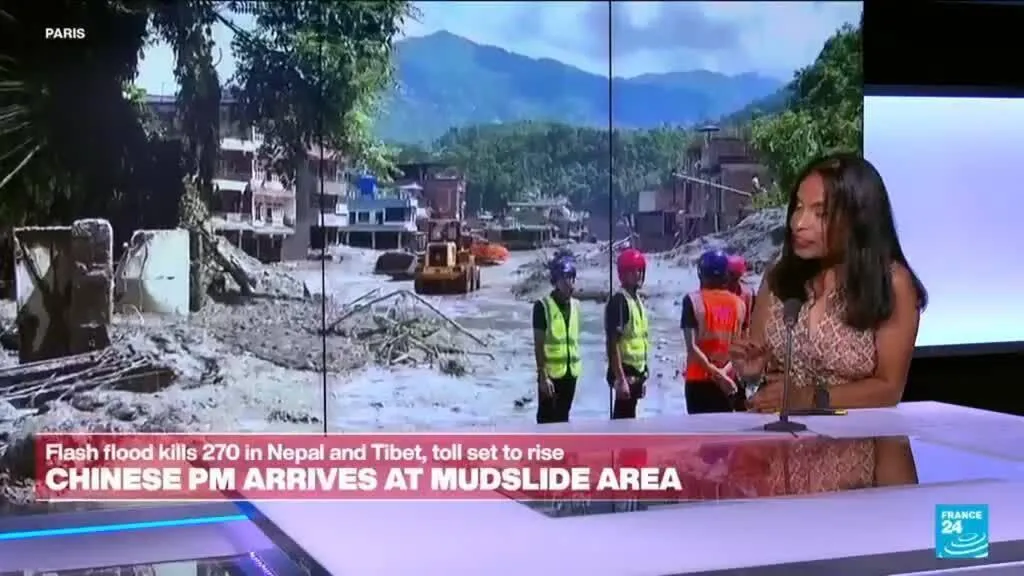
Glacial collapse, not rain, killed 180 in Nepal's Himalayan flood
The Himalaya's extreme geography hid the true cause of Nepal's catastrophic flood, a glacial collapse that turned a geological battleground into a mass-casualty zone.
Iran’s Esmail Baghaei says Oman talks start shipping via Hormuz, not US talks yet
Temporary route plans with Oman aim to restart commerce while Tehran says Washington dialogue is not on the table.
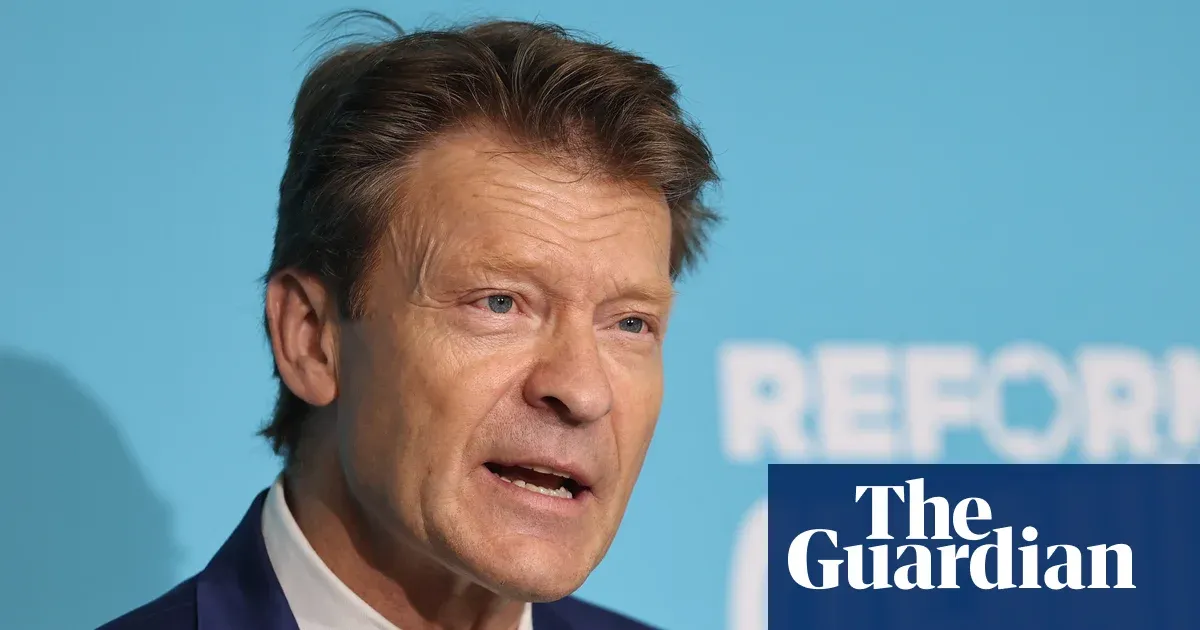
Standards watchdog opens probe into Reform UK deputy leader Richard Tice over interests
The parliamentary standards commissioner says it began an investigation on 28 July into a possible undeclared interest.