
Steve Carell and John Krasinski Reunite The Office for NBC's 100th
NBC's centennial special reassembles the nine-season, 201-episode sitcom next month, testing whether a 2013-era hit can still command a mass live audience.
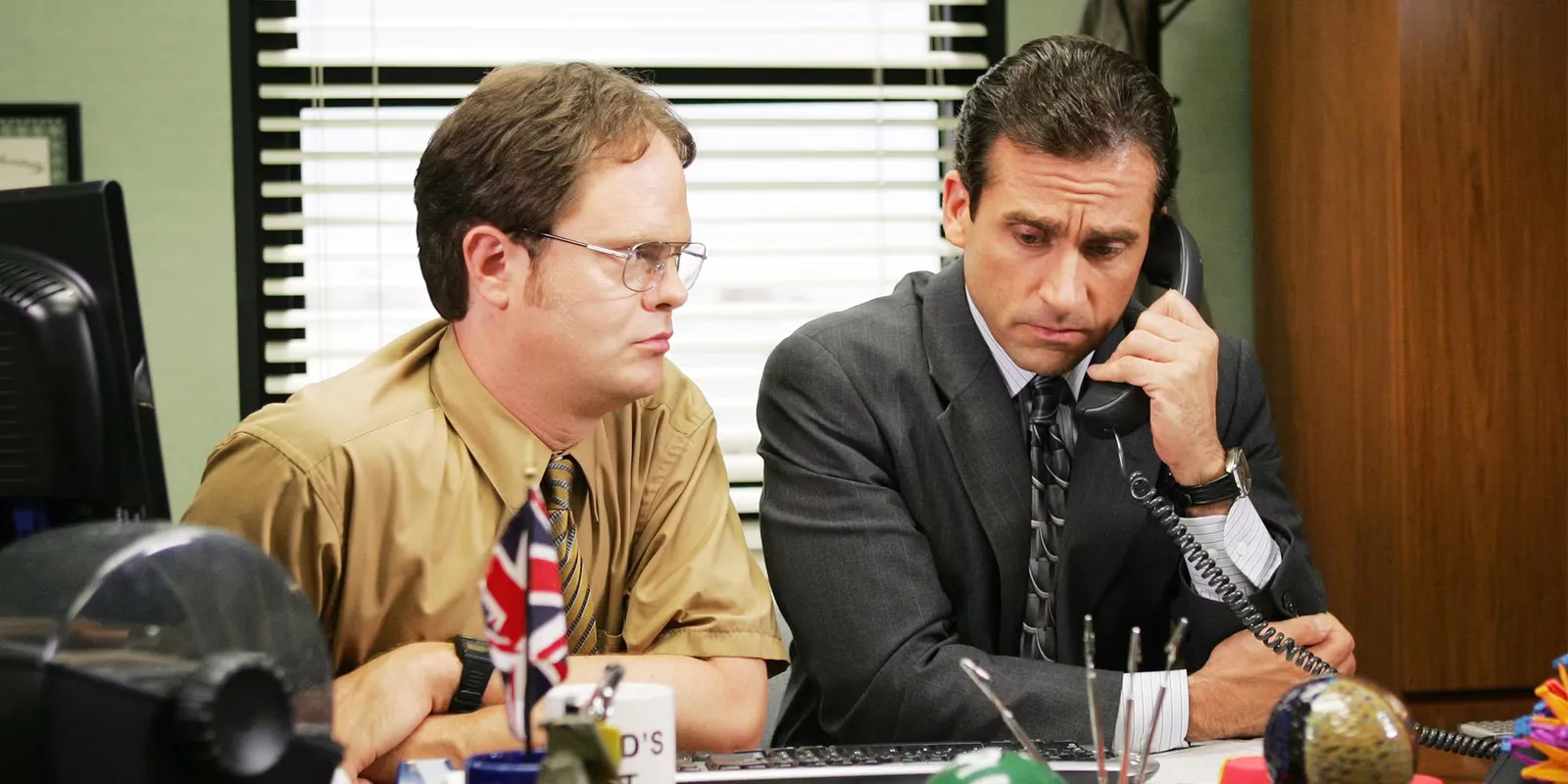
Steve Carell and John Krasinski are confirmed for The Office cast reunion on NBC's 100th anniversary special next month, the biggest gathering of the show's ensemble since its 2013 finale. For media and brand executives, the special is a live case study in whether legacy IP can still generate the appointment viewing and premium ad inventory that streaming struggles to replicate.
The Office is officially back on the schedule, and NBC is using its own birthday to do it. Steve Carell and John Krasinski are confirmed for the network's 100th anniversary special next month, with more of the cast set to join them. That makes this the largest on-screen gathering of the Dunder Mifflin ensemble since the show signed off, and it puts the sitcom's two biggest post-finale names back under the NBC banner at the same time. For a network marking a century on air, the message is deliberate: the most valuable thing in the building is not a new show, it is a 20-year-old one.
The scale of what NBC is reassembling explains the fuss. The Office ran nine seasons and 201 episodes, premiering on NBC as a mid-season replacement on March 24, 2005, and closing with a two-part series finale on May 16, 2013. Greg Daniels developed it as an adaptation of the British original. It won five Primetime Emmys from 42 nominations, appeared on several critics' year-end best-of lists during its run, and carries an 81% score on Rotten Tomatoes. Those are the numbers a network puts on a poster. They are also the numbers that turn a reunion from a nostalgia stunt into a marketing asset with a measurable audience attached.
For context on how unusual that is: mid-season replacement slots have historically been where networks park shows they are not sure about, a way to limit downside on an unproven bet. The Office was not expected to become a franchise. It became one anyway, and it kept compounding long after the finale, as library sitcoms of its era became the backbone of streaming catalogs. The lesson for anyone building a content portfolio is uncomfortable but consistent: the asset that appreciates is rarely the one with the biggest launch budget. It is the one people keep watching years after the last episode airs.
So why a centennial special, and why now? Anniversary events are cheap relative to scripted originals, and they generate something increasingly scarce: simultaneous attention. Live and event programming is the part of television that streaming has struggled to replicate at scale, and it is the part advertisers still pay a premium to sit inside. A centennial gives NBC a legitimate reason to assemble talent that would otherwise be scattered across rival platforms and film slates, and it hands the network a night of inventory it can sell against a known, warm, self-selecting audience. That is a materially better risk profile than a pilot.
The cast calculus runs the same direction. Carell and Krasinski, whose careers since the finale have ranged well beyond Dunder Mifflin, are being asked for a single night, in front of a friendly audience, attached to a property whose cultural standing has only grown since 2013. The asymmetry is the whole reason reunions cluster around anniversaries rather than happening at random: the talent collects goodwill and a headline, the network collects a headline and a rating, and neither side takes on much downside. When both sides of a deal are that cheap, the deal tends to get done.
The second-order effects are where this gets interesting for anyone holding a library. Legacy IP has become the safest bet in a risk-averse content market, and reunion specials are the cheapest available demand test: one night of programming that tells you whether a dormant franchise still has an audience before you commit capital to a reboot, a revival, or a licensing deal. Watch whether NBC treats this as a one-off celebration or as a soft pilot for something larger. The answer will tell you how the network is pricing its own back catalog, and it will tell every other rights holder whether their own dormant franchise has a date on the calendar worth circling.
For media executives, the metric that matters is not the overnight rating. It is whether the special converts nostalgia into engagement with the broader catalog, because that is where the durable revenue sits. For brand marketers, the question is whether a 2005 sitcom's audience still delivers the demographic they need at the price they are being quoted. For talent agencies, it is a reminder that the most bankable booking a client can take is often the one tied to a property the audience already loves. And for anyone sitting on a franchise that ended a decade ago, the Office reunion is a template: find the anniversary, assemble the names, and let the calendar do the marketing.
The Office ended on May 16, 2013, after 201 episodes and a run that started as a mid-season replacement nobody was certain about. Next month it gets a second curtain call on the same network, with its two biggest stars confirmed. That is the entire pitch, and it is a good one.
This story's Key Insights and Take-aways are locked.
Create a free account to unlock Executive Actions for one credit.
Register to UnlockAlways free for Executives Club members. Join the Club
More in Entertainment

GTA 6 banks $3.8bn in one day, torching every launch record
One game just out-earned every video game launch and every single-day film box office haul in history, and the fallout lands on every media CEO's forecast.

GTA VI Racked Up $3.79 Billion in a Single Day, Topping Every Film Ever
A 13-year wait produced a $3.79 billion day, more than any movie has made in its entire run, and it resets the launch math for every studio, streamer, and brand chasing the same attention.

GTA 6 sells 32.5M pre-sales and $3.79B day one, torches 13-year record
Rockstar's sequel didn't just beat Grand Theft Auto V's 13-year-old benchmark; it reset what a launch can be, with 32.5 million pre-sale copies and $3.79 billion in a single day.