
Ten Months After Washington, Melania Trump Debuts an Amazon Docuseries
The first lady's follow-up to her 'Melania' documentary trades a Washington premiere for Lincoln Center, testing whether a political-adjacent title can become a streaming franchise.
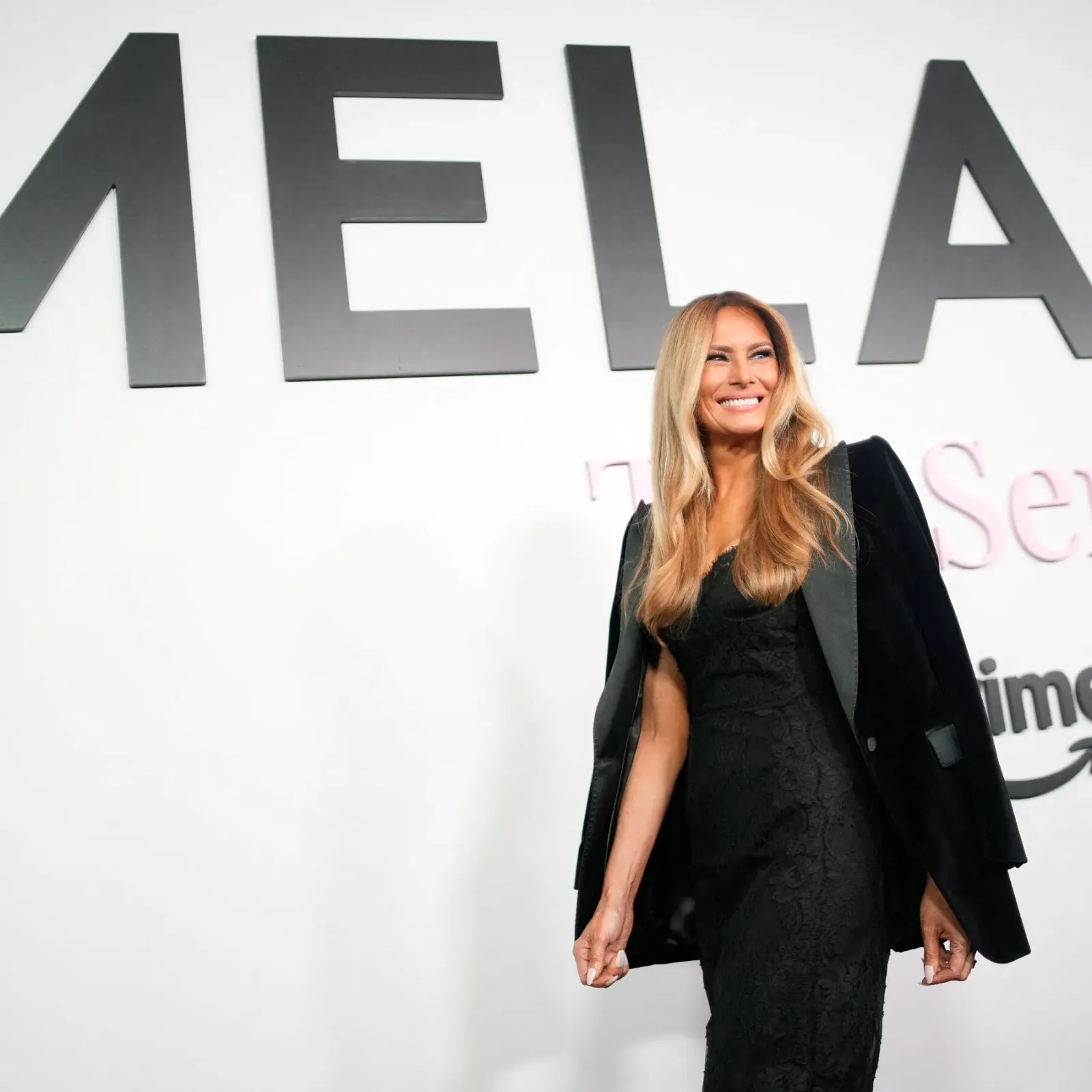
Melania Trump debuted a follow-up docuseries at Lincoln Center, ten months after her 'Melania' documentary premiered in Washington, with Amazon as the platform. The move tests whether a first-family title can run as a repeatable franchise rather than a one-off, a question now sitting with every platform betting on talent-led nonfiction.
Ten months after the "Melania" documentary premiered in Washington, Melania Trump debuted a follow-up docuseries at Lincoln Center in New York. Same subject, same star, new format, new room. The first lady has now put a second title into the market, and the venue shift from the capital to Manhattan's premier performing arts campus is the detail worth circling. Washington premieres are for insiders. Lincoln Center premieres are for the culture business: press, talent, agents, brand partners, and the people who decide what gets watched next.
The headline fact is the timeline. Ten months is a fast turnaround for a follow-up in a medium where development typically runs longer, which suggests the first title performed well enough to justify a second. A docuseries is also a different product than a documentary: episodic formats carry more runtime, more licensing value, and more chances to hold an audience across weeks rather than for a single sitting. If the first film was a proof of concept, the series is the attempt to turn a one-off into a franchise. That is the bet being placed at Lincoln Center.
Nonfiction has been one of the steadier bets in streaming for years. Scripted budgets ballooned, then got cut; documentary and docuseries slates are typically cheaper per hour, faster to produce, and easier to market around a single recognizable name. Celebrity-led nonfiction in particular has become a staple because the marketing writes itself: one face, one poster, one trailer. The catch is that the same economics that make these titles attractive also make them crowded. A recognizable name gets you a greenlight. It does not guarantee a second season, and it does not guarantee the audience shows up beyond premiere week.
For context, first ladies have long been media figures, but the shape of that presence has changed. Memoirs, magazine features, and television interviews have been standard for decades. What is newer is the direct-to-platform franchise: a named title, a sequel, a premiere with a red carpet, and a distribution partner with global reach. That shift moves a first lady from being covered by media to being a media property in her own right, subject to the same sequel logic, marketing calendar, and audience metrics that apply to any other talent-led slate.
Amazon is the partner here, and the venue choice fits a pattern. Lincoln Center has historically been the address for prestige cultural events in New York, which makes it a useful signal for a platform that wants its nonfiction to read as premium rather than disposable. For a company that operates both a streaming service and a theatrical business, a Lincoln Center premiere does double duty: it generates cultural legitimacy and it generates the kind of press coverage a paid marketing campaign struggles to buy. The premiere is not the product. It is the advertisement for the product.
Sequels are also a hedge. In a market where new titles are expensive to launch and hard to break through, a follow-up to something that already worked is the lower-variance bet. The risk is political. Anything attached to a first family arrives with a built-in audience and a built-in opposition, and platforms that want to be everything to everyone have to manage that tension carefully. Advertisers, subscribers, and talent all watch how a platform handles politically charged nonfiction, and that handling becomes precedent for the next controversial title on the slate.
What to watch now is whether the episodic format outperforms the single film. If it does, expect more first-family and political-adjacent titles to be structured as series rather than one-offs, because series generate longer engagement windows and more opportunities for a second and third cycle. If it does not, the lesson is that a famous name can open a door but cannot keep an audience in the room. Either way, the performance data from this release will inform how platforms price and package talent-led nonfiction for the next slate.
For executives, the takeaway is structural rather than political. Talent-led nonfiction is now a portfolio decision: which names convert, which formats extend, and which partnerships carry reputational risk that outweighs the reach. The Melania franchise is a live test case, run in public, with a ten-month gap between chapters. Peers in streaming, studios, and brand marketing should be watching the numbers, not the carpet. The carpet is the marketing. The numbers are the answer.
This story's Key Insights and Take-aways are locked.
Create a free account to unlock Executive Actions for one credit.
Register to UnlockAlways free for Executives Club members. Join the Club
More in Politics

Fifth Circuit Kills Pregnant Workers' Law Over Pandemic Proxy Votes
A procedural ruling, not a policy one, has blocked a federal pregnancy-accommodation law and put every pandemic-era statute in the crosshairs ahead of an expected Supreme Court appeal.

Measles kills a Virginia child under 5, the state's first death of 2026
Virginia's health department confirmed the death but withheld the child's vaccination status, leaving schools, clinics and employers to plan around the one detail that would explain the most.

Former Brazilian President Bolsonaro Hospitalized with Intestinal Obstruction
The health status of the former far-right leader raises immediate questions about political stability and the trajectory of Brazil's conservative movement.