
Thanksgiving costs $5.86 a head this year, up 6% from 2025
The American Farm Bureau Federation's annual survey puts a 10-person dinner near $58.60, with turkey, milk and rolls driving the increase.
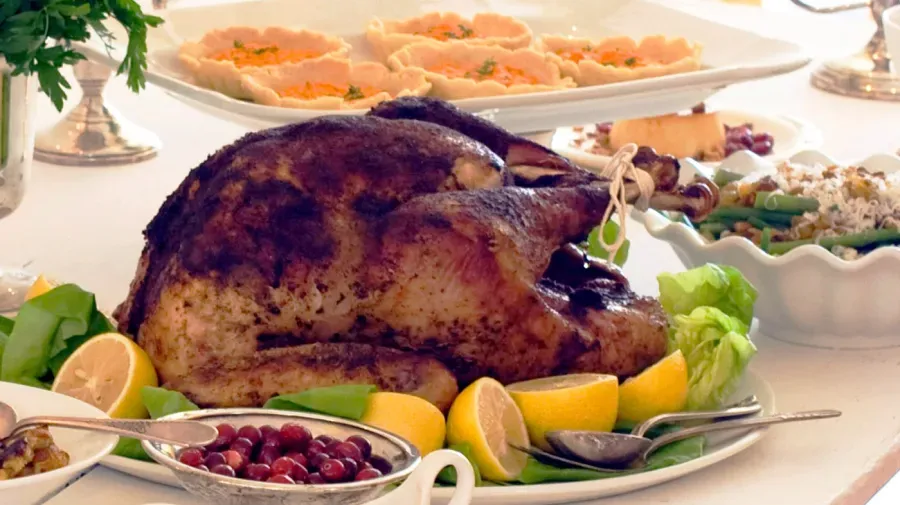
The American Farm Bureau Federation reported Wednesday that the average 10-person Thanksgiving dinner will cost $5.86 per person this year, a 6 percent increase from 2025 driven by higher prices for turkey, milk and rolls. For food retailers, restaurants and consumer-staples executives, that single number is the most quotable food-price benchmark of the year and will shape how shoppers read grocery inflation heading into winter.
Thanksgiving dinner for ten will run about $58.60 this year, or $5.86 a head, according to new research from the American Farm Bureau Federation. That is a 6 percent increase over 2025, Farm Bureau economists reported Wednesday, and the drivers are the items shoppers notice first: turkey, milk, rolls and the rest of the basket.
The number is small in absolute terms. Six percent on a per-person basis works out to roughly 33 cents more per plate, and the prior-year figure implied by that increase sits near $5.53 a head. But the Farm Bureau's Thanksgiving survey is not really a grocery receipt. It is a benchmark, a single figure that gets repeated on local news, in family group chats and in the aisles of every supermarket in the country during the one week when almost everyone is buying the same list of things. When that number moves up, it sets the tone for how consumers feel about food prices for months.
Turkey is the anchor. It is typically the largest single line item in the basket and historically the most volatile, because the price of a bird is set months in advance by feed costs, hatchery supply, processing labor and the health of the flock. An outbreak of avian influenza in a major producing region can tighten supply quickly, and producers have limited ability to add birds late in the season. The Farm Bureau flagged turkey as one of the items pushing the total higher, which means the increase is not a rounding error spread evenly across the basket. It is concentrated in the centerpiece, the one item a host cannot quietly substitute without the table noticing.
Milk and rolls round out the named drivers, and together they point at something broader than a single protein. Dairy and bakery both sit downstream of the same inputs: feed grain, energy for refrigeration and ovens, packaging and labor. When those costs stay elevated, they surface in the middle of the store, not just at the butcher counter. The Farm Bureau's list continues beyond the items reported, which suggests the pressure is not isolated to one category.
The Farm Bureau is an agricultural advocacy organization, and its annual Thanksgiving survey is as much a communications exercise as an economic one. Volunteers price a fixed basket of holiday staples in the weeks before the holiday, which makes the result comparable year over year but also narrow: it captures one meal, on one day, for ten people. It is not the consumer price index, and it is not a measure of what any individual household will actually spend. What it is, reliably, is the most quotable food-price statistic of the year, and that quotability is the point for anyone selling food.
A 6 percent headline lands in the same week that retailers are finalizing holiday promotions, restaurants are printing limited-time menus and food banks are running their biggest drives of the year. Grocers typically use loss leaders, turkeys sold near or below cost, to pull shoppers through the door and then make margin back on everything else in the cart. If the cost of the bird is up, that math gets tighter, and the discount has to come from somewhere else, whether that is a thinner margin on sides, fewer stacked coupons or a smaller promotional budget in December.
Consumers, meanwhile, have a well-worn set of responses when the holiday basket gets more expensive. They trade down to store brands, buy a smaller bird, ask guests to bring a dish, or swap fresh for frozen. Historically, holiday spending has proven more resilient than everyday grocery spending, because the meal is emotional and the guest list is largely fixed. But resilience has a limit, and repeated increases of this size are the kind of thing that changes habits rather than just moods, especially when the same shoppers are already making weekly trade-offs on staples.
For executives, the takeaway is less about 33 cents and more about direction. Food companies and retailers that price staples are operating in a stretch where input costs, labor and logistics have all been moving, and where shoppers are unusually alert to the price of a handful of symbolic items. The Farm Bureau's number will be cited in earnings calls, in policy debates over food assistance and in kitchens on Thursday. Being on the wrong side of it, with a price increase that reads as opportunistic rather than necessary, is a reputational cost that outlasts the holiday.
This story's Key Insights and Take-aways are locked.
Create a free account to unlock Executive Actions for one credit.
Register to UnlockAlways free for Executives Club members. Join the Club
More in Politics

Fifth Circuit Kills Pregnant Workers' Law Over Pandemic Proxy Votes
A procedural ruling, not a policy one, has blocked a federal pregnancy-accommodation law and put every pandemic-era statute in the crosshairs ahead of an expected Supreme Court appeal.

Measles kills a Virginia child under 5, the state's first death of 2026
Virginia's health department confirmed the death but withheld the child's vaccination status, leaving schools, clinics and employers to plan around the one detail that would explain the most.

Former Brazilian President Bolsonaro Hospitalized with Intestinal Obstruction
The health status of the former far-right leader raises immediate questions about political stability and the trajectory of Brazil's conservative movement.