
Trump Frames China-Russia Summit as 'Amazing' While Signaling Domestic Policy Shift
The President's post-trip statements signal a complex balancing act between high-stakes global diplomacy and unexpected legislative cooperation.
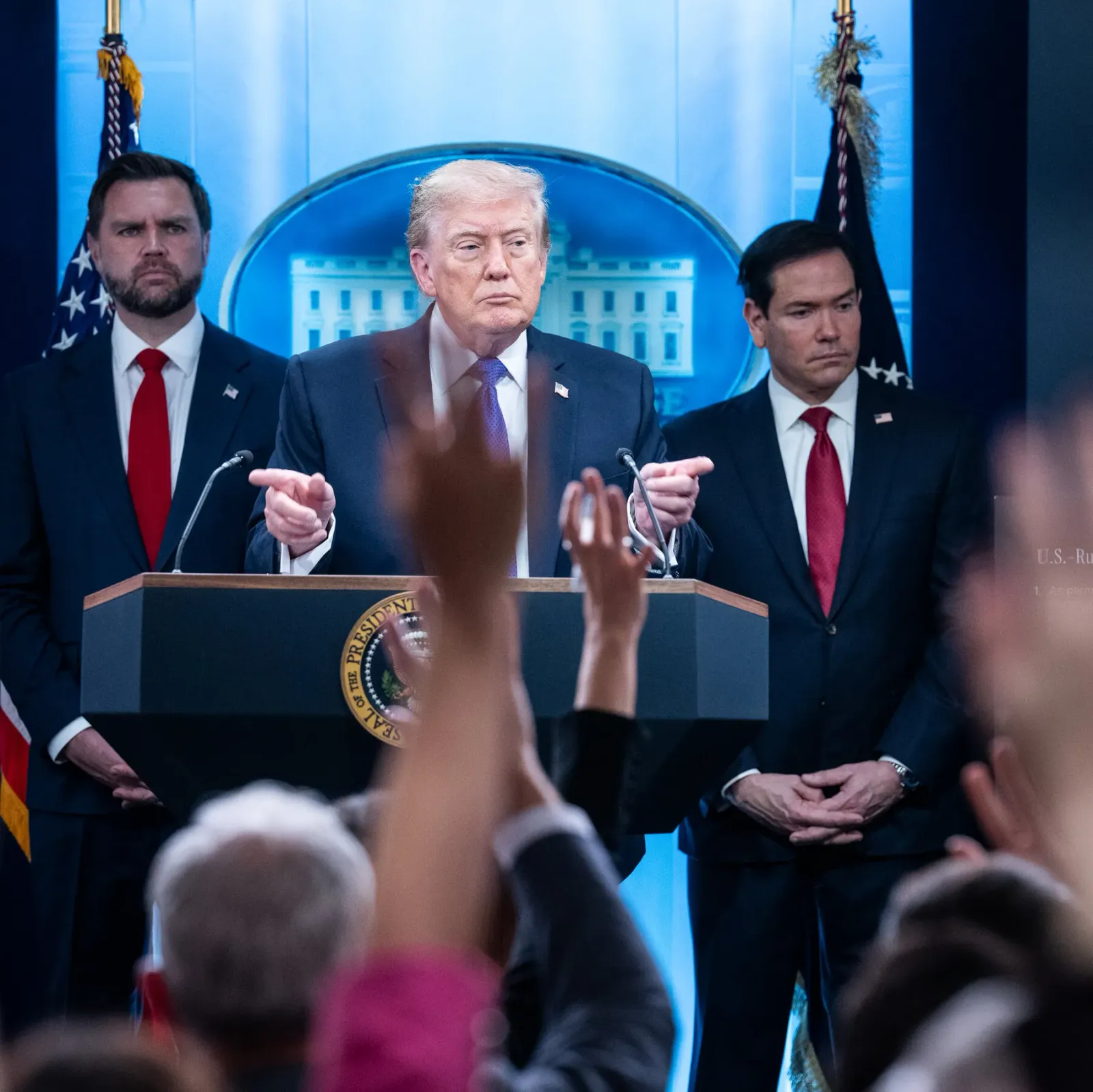
President Trump recently concluded a trilateral meeting with Xi Jinping and Vladimir Putin in China, describing the summit as an "amazing event." This diplomatic posture, combined with his commitment to working with Democrats on key issues, signals a complex shift in his governing strategy that warrants close monitoring by global markets and policy stakeholders.
President Trump recently concluded a trilateral meeting with Chinese President Xi Jinping and Russian President Vladimir Putin in China, a high-profile diplomatic engagement that he characterized publicly as an "amazing event." This assessment of the summit suggests a deliberate effort to frame the complex geopolitical interactions between three major global powers as a success, regardless of the underlying tensions or specific agreements reached. The statement itself is a powerful piece of political messaging, designed to project strength and successful engagement on the world stage.
Beyond the diplomatic fanfare surrounding the China-Russia engagement, the President also made a significant announcement regarding his domestic agenda, stating his intention to work with Democrats in Congress on key issues. This pivot is perhaps the most surprising element of his post-trip remarks, as it suggests a willingness to engage in cross-party cooperation on specific legislative matters. For decision-makers tracking the executive branch's operational style, this combination of global assertiveness and domestic flexibility presents a nuanced picture of the administration's current priorities and governing approach.
To understand the weight of the China-Russia meeting, one must consider the current state of global geopolitics. The interactions between the United States, China, and Russia are not merely bilateral; they are deeply interconnected, affecting global supply chains, energy markets, and international security frameworks. When the President describes such a meeting as "amazing," he is signaling a desire to manage these competing interests and prevent further fragmentation in the international order. The stability or instability resulting from these high-level dialogues has immediate, tangible consequences for global capital allocation and corporate risk assessment. Investors and operators must weigh the perceived benefits of diplomatic engagement against the inherent unpredictability of these major power dynamics.
The commitment to working with Democrats on key issues introduces a layer of legislative complexity. Historically, the relationship between the executive branch and Congress has been characterized by periods of intense gridlock and partisan friction. A stated willingness to collaborate, even on specific issues, suggests a strategic move to achieve legislative wins and maintain momentum on the administration's agenda. This shift in tone, from purely confrontational to one that includes avenues for bipartisan negotiation, changes the calculus for businesses reliant on consistent regulatory environments and predictable policy outcomes.
For founders, operators, and investors, the significance lies in predictability. A government that is perceived as capable of both high-level international coordination and domestic legislative compromise offers a different risk profile than one locked in perpetual conflict. The market reacts strongly to policy certainty. If the President is successfully navigating these competing demands, it suggests a more stable, albeit complex, policy horizon. The challenge for stakeholders is discerning which issues are truly amenable to bipartisan cooperation and which remain firmly in the realm of executive prerogative.
Furthermore, the context of the China-Russia relationship is critical. These nations operate within a unique geopolitical sphere, often challenging established Western norms and trade structures. Any successful engagement by the President in this sphere has implications for US trade policy, technology export controls, and energy security. The success of the meeting, as framed by the President, suggests a strategic effort to maintain influence and dialogue, even amid significant international disagreements. This dialogue, whether successful or not, shapes the narrative that dictates how global markets price risk related to these major economies.
In summary, the President's recent actions and statements represent a multifaceted strategy. On one hand, he is projecting a powerful, successful diplomatic engagement with two of the world's most influential non-Western powers. On the other hand, he is signaling a pragmatic willingness to engage with the domestic political opposition to advance policy. This dual focus requires careful analysis from any executive looking to anticipate regulatory shifts, understand global market sentiment, or navigate the evolving political landscape.
This story's Key Insights and Take-aways are locked.
Create a free account to unlock Executive Actions for one credit.
Register to UnlockAlways free for Executives Club members. Join the Club
More in Politics

Fifth Circuit Kills Pregnant Workers' Law Over Pandemic Proxy Votes
A procedural ruling, not a policy one, has blocked a federal pregnancy-accommodation law and put every pandemic-era statute in the crosshairs ahead of an expected Supreme Court appeal.

Measles kills a Virginia child under 5, the state's first death of 2026
Virginia's health department confirmed the death but withheld the child's vaccination status, leaving schools, clinics and employers to plan around the one detail that would explain the most.

Former Brazilian President Bolsonaro Hospitalized with Intestinal Obstruction
The health status of the former far-right leader raises immediate questions about political stability and the trajectory of Brazil's conservative movement.