
Trump on reported FBI database hack: 'Not good,' but a chance to learn
The president's Fox News phone interview reframes a potential breach of the bureau's nationwide criminal information database as a learning opportunity, leaving agencies and their vendors to answer the harder questions.
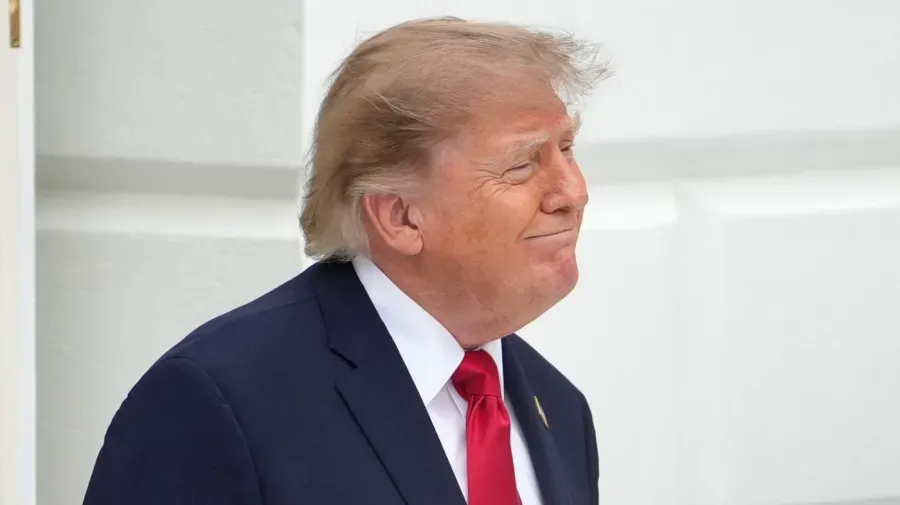
President Trump told Fox News's "Saturday in America" that a potential breach of the FBI's nationwide criminal information database is "not good" but may let the government "learn things that we would have never learned otherwise." For executives, the takeaway is that the public framing of a cyber incident now arrives before the facts do, and the agencies, contractors, and vendors in the blast radius will be judged on how fast they close that gap.
President Trump said Saturday that a potential breach of the FBI's nationwide criminal information database is "not good," then reached, in the same breath, for the upside: the episode may let the government "learn things that we would have never learned otherwise." Speaking by phone to Fox News's "Saturday in America," he added, "I always like to put things on a positive spin." In two sentences, the president framed a reported intrusion into a system that American law enforcement leans on daily as both a problem and an opportunity, and he did it on a friendly network, on a Saturday, in a call rather than a formal statement.
What the source material does not contain is just as telling as what it does. There is no confirmed scope, no list of affected records, no named suspect, and no official account of how the breach happened or whether it is still active. The reporting describes a potential breach; the president's comments treat it as real enough to discuss but not serious enough to detail. That gap, between a reported compromise of a federal database and the absence of operational specifics, is where the next several weeks of questions will live. For anyone whose business touches government data, federal contracts, or law enforcement technology, the silence is the signal to pay attention.
For context, a nationwide criminal information database is not a single filing cabinet. Systems of that kind typically serve as connective tissue for policing across jurisdictions: local departments, state agencies, and federal investigators query them for warrants, criminal histories, identification records, and alerts. The value of such a system comes from its reach, and so does its risk. A confidentiality breach exposes sensitive information; an integrity breach is worse, because bad data can feed directly into decisions made in the field, in real time, by officers who have no way to know the record in front of them has been altered. That distinction, confidentiality versus integrity, is the first thing security teams typically try to establish after any reported intrusion, and it is precisely the detail the public does not yet have.
The politics of the moment are unusually compressed. Presidents rarely get to choose the frame on a cyber incident; the incident usually chooses it for them. Here, the frame arrived pre-packaged in a quote that will be clipped, replayed, and contrasted with whatever the FBI eventually confirms. "Positive spin" is a memorable phrase, and memorable phrases have a way of outliving the news cycle that produced them. If the breach turns out to be narrow, the line reads as calm leadership under pressure. If it turns out to be broad, the same line reads as premature. Either way, the administration has now set a public benchmark against which its handling will be measured, and it set that benchmark before the underlying facts were established.
Second-order effects will land first on the agencies and contractors in the blast radius. Federal systems of this kind are typically built, maintained, and secured through a mix of government staff and outside vendors, which means a reported intrusion immediately raises procurement and accountability questions: who had access, what monitoring was in place, and how quickly were the right people told. Congress has historically used incidents like this to press for timelines and to revisit cyber funding lines. Expect the same pattern here, with the added wrinkle that the president has already commented publicly, which makes a quiet, technical, weeks-long investigation harder to run.
For executives, the useful move is to separate the noise from the mechanics. Watch three things. First, whether the language shifts from "potential" to confirmed, and which authority does the confirming. Second, whether formal notification obligations are triggered, since those carry deadlines, legal exposure, and a paper trail that outlasts the news cycle. Third, whether the incident produces new reporting requirements or security mandates for federal contractors, because that is where private-sector budgets actually move. A reported breach that stays vague is a headline; a breach that produces rules is a line item.
The broader lesson is one that boards have been slow to internalize: cyber incidents are now communications events as much as technical ones. The first public statement often matters more than the forensics, because it sets the tone for investors, customers, regulators, and employees before anyone knows the facts. Companies that downplay an incident and are later contradicted tend to pay twice, once for the breach and once for the credibility hit. Companies that say too little also get punished, which is why the standard playbook now leans on acknowledging the event, describing what is known, and committing to a timeline for more. The president's approach inverts that order: he led with the interpretation, not the information.
None of that resolves the central question, which is what actually happened inside a database that police departments across the country depend on. The president's answer, for now, is that the country may learn something from it. That may prove true. It is also the kind of statement that only looks wise in hindsight, and hindsight is not available on a Saturday phone call.
This story's Key Insights and Take-aways are locked.
Create a free account to unlock Executive Actions for one credit.
Register to UnlockAlways free for Executives Club members. Join the Club
More in Politics
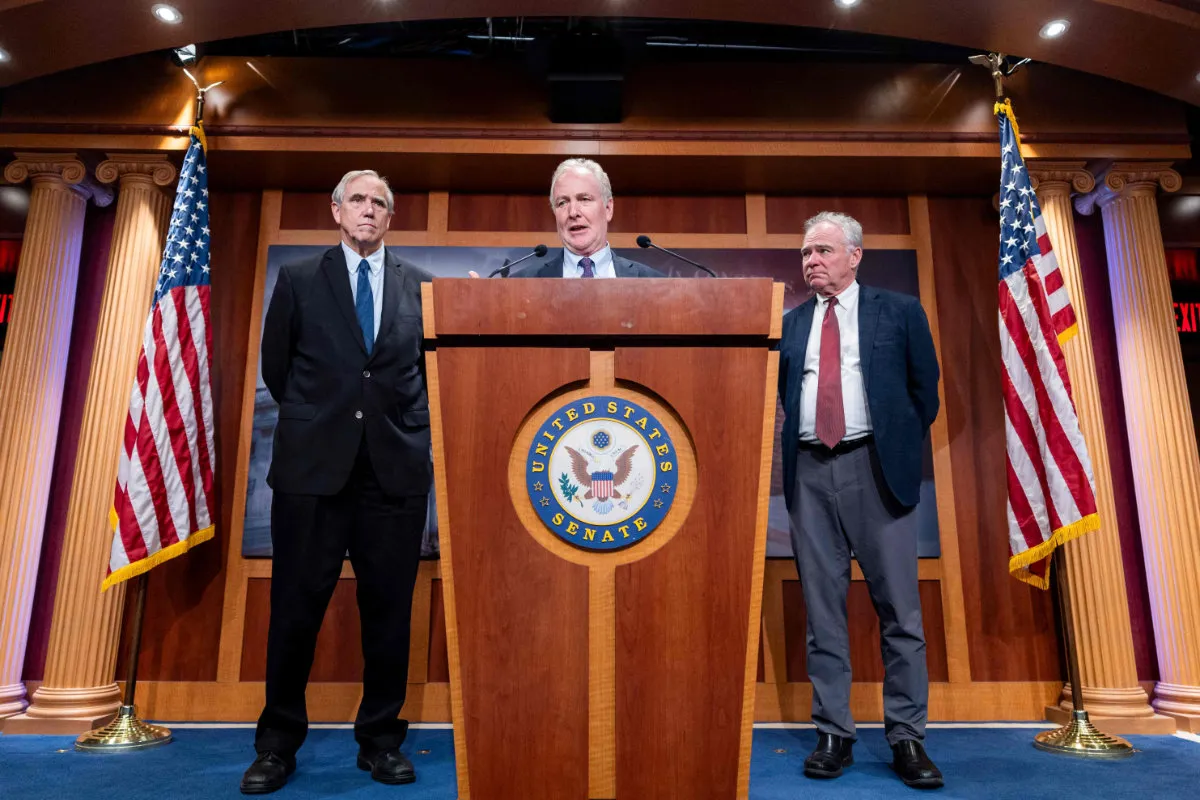
Thirteen Freshman Senators Just Became Chuck Schumer's Toughest Test
Democrats' newest class votes on Senate leadership before being sworn in, and the choice between Chuck Schumer and challenger Chris Van Hollen will set how hard the party fights.
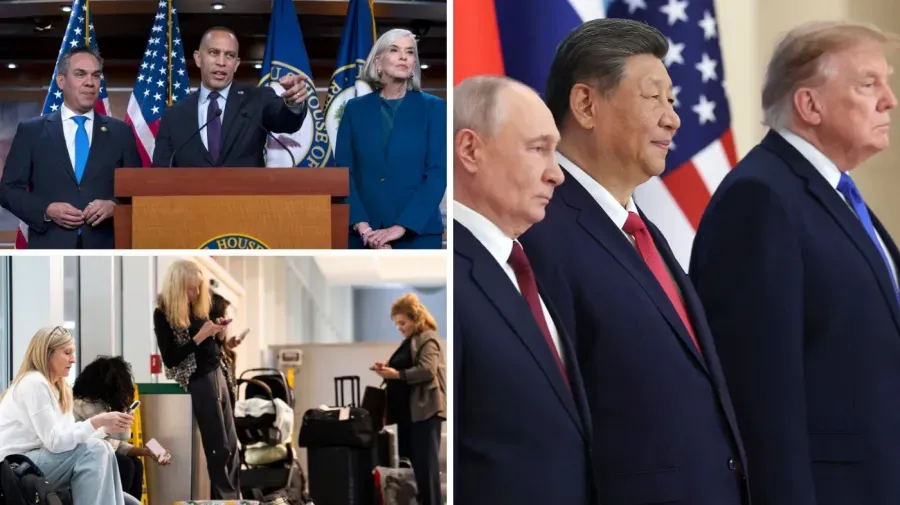
Democrats Nominate Jeffries for Speaker, Teeing Up a Historic First
House Democrats' leadership slate delivers two firsts in one week, and it lands as Trump's security agenda heads to the Sunday shows.
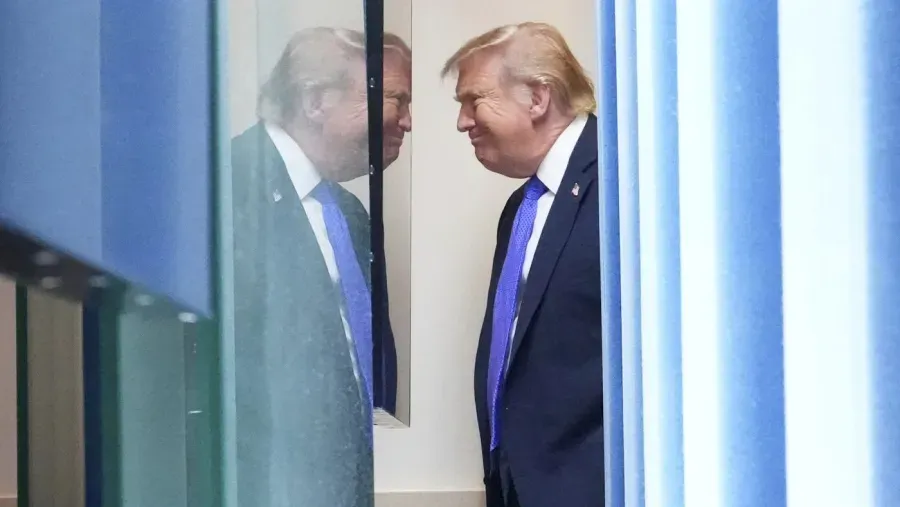
Musk Says He Is 'Not MAGA' as Trump's Coalition Heads for the Exit
The most notable defection yet lands after a midterm thumping, and the question for every operator is how fast the next names follow.