
Trump Order Narrows Congress's Best Window Into Federal Contractors
The executive order targets the investigative channel Democrats were counting on, and it forces every company holding a federal contract to choose a side between the White House and Capitol Hill.
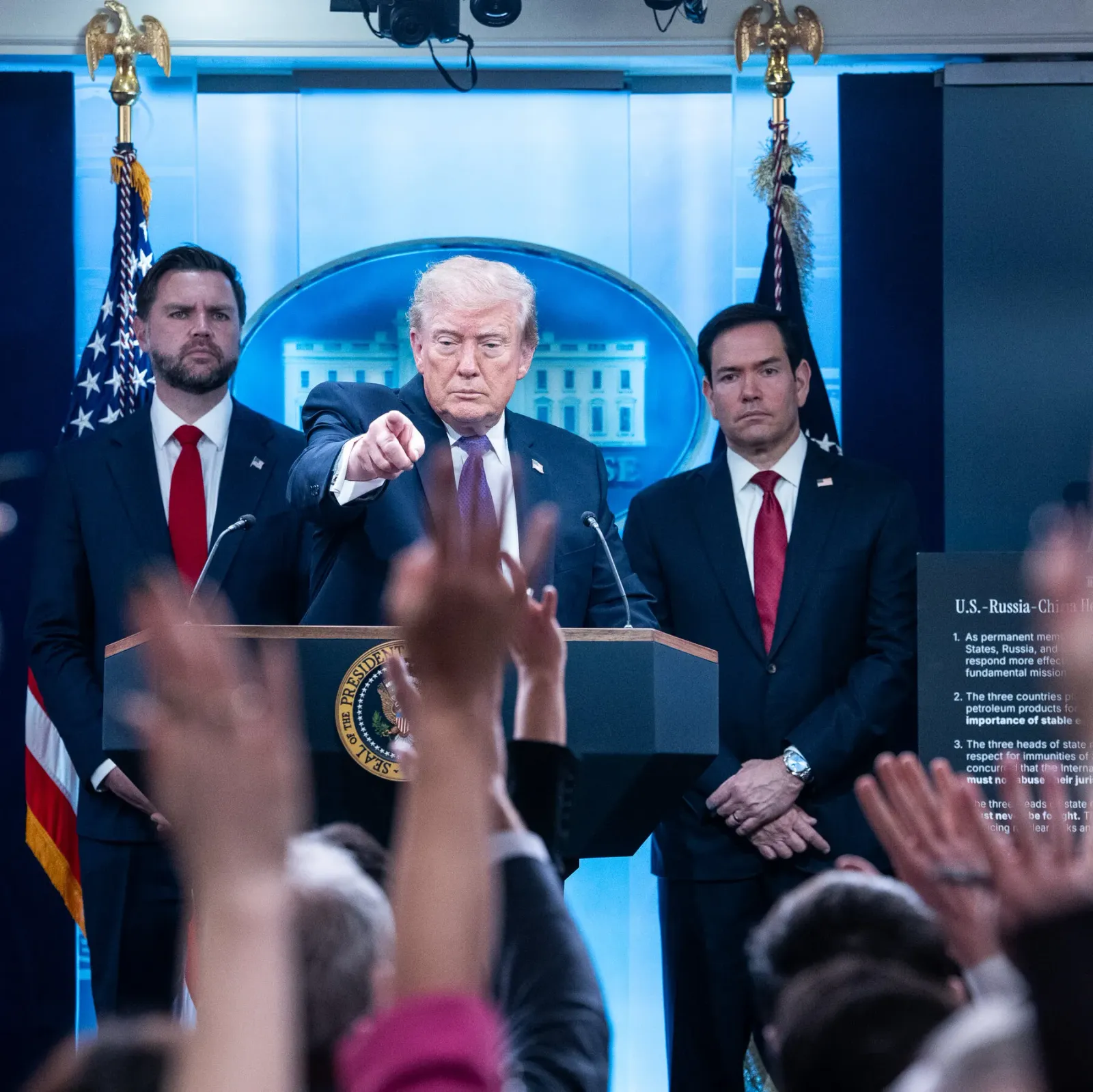
President Trump has issued an executive order restricting congressional oversight of federal contractors, which the New York Times reports is the latest effort to blunt Democratic plans to investigate the administration's actions. For executives at companies that sell to the government, the order reshapes the risk calculus on Capitol Hill document requests, subpoenas, and the politics of staying compliant with two branches of government at once.
President Trump has issued an executive order restricting congressional oversight of federal contractors, according to the New York Times, which reported the move is the latest effort to blunt Democratic plans to investigate the administration's actions. That is the short version, and it is enough to matter. Federal contractors are the private-sector plumbing of the executive branch, and oversight of those companies has historically been one of the few reliable ways for lawmakers to see what agencies are actually doing with public money.
The timing is the tell. The order lands as Democratic lawmakers were preparing investigations into the administration, and it targets the channel those investigations depend on most. Congress rarely gets a clean look inside an agency. What it gets, typically, is a contractor's records, a whistleblower's testimony, an inspector general's findings, or a Government Accountability Office audit. Contractors sit at the intersection of all four. Narrow that lane and you do not have to block oversight outright; you just make it slower, narrower, and more expensive to pursue.
Executive orders are directives to the agencies a president controls. They can change how those agencies handle information requests, centralize review of communications with Congress, and set a default posture of resistance. They cannot repeal Article I. Congress's subpoena power, its authority to hold hearings, and above all its power of the purse are constitutional, not discretionary, and no executive order rewrites them. Historically, clashes like this have ended in court or at the negotiating table, and courts have often been reluctant to referee separation-of-powers disputes between the political branches. The practical effect of an order like this is rarely a hard stop. It is friction, delay, and a shift in who bears the risk of saying yes.
For a company that sells to the government, that shift is the whole story. Federal contractors operate inside a dense web of rules: contract clauses requiring cooperation with audits, mandatory disclosure obligations, and the False Claims Act, which generally lets the government and private whistleblowers pursue treble damages for fraud. A congressional request for documents often arrives through the agency that holds the contract, which means the agency's posture becomes the company's problem. Executives now face an uncomfortable question: cooperate with Capitol Hill and risk antagonizing the administration that awards and renews your contracts, or defer to the White House and risk being seen as obstructing a lawful inquiry. Most will lawyer up, narrow what they produce, and buy time.
Durability is the other variable. Executive orders are unilateral instruments, reversible by the next occupant of the Oval Office. Both parties have used them to shape how the executive branch deals with Congress, and the pendulum has swung repeatedly. For companies with multi-year contracts and shareholders who care about the next quarter, that argues for treating this as a change in the rules of engagement rather than a permanent settlement. Watch the appropriations process. Congress can attach conditions, reporting requirements, and restrictions to the money itself, and that lever is far harder to move than an agency's internal posture.
The second-order effects are where this gets interesting. Oversight is not just political sport; it is an information channel. Congressional hearings and GAO reports routinely surface cost overruns, program failures, and safety problems that never appear in an agency's press releases, and investors, analysts, journalists, and rival bidders all read them. If that flow narrows, the information advantage shifts to whoever has direct access: incumbents, lobbyists, and the agencies themselves. Expect oversight pressure to migrate to other venues, including state attorneys general, private litigation, and the press. Expect, too, a chilling effect on contractor employees, who are often the source of the most damaging disclosures and who now have one more reason to stay quiet.
For boards and C-suites, the practical agenda is unglamorous and urgent. Map every live congressional inquiry and document request touching your government business. Make sure legal, government affairs, and the chief executive are working from one script, because inconsistent answers across those three functions are how a political problem becomes a legal one. Review document retention and litigation-hold practices now, not after a subpoena arrives. And build a scenario plan for reversal, because the rules you are adapting to today may not survive the next election.
Strip away the procedure and the fight is simple: who gets to see inside the executive branch, and who gets to decide. Contractors are the pressure point because they are where public money meets private records. The order does not settle that question. It moves it, and everyone holding a federal contract is now standing on the new line.
This story's Key Insights and Take-aways are locked.
Create a free account to unlock Executive Actions for one credit.
Register to UnlockAlways free for Executives Club members. Join the Club
More in Politics
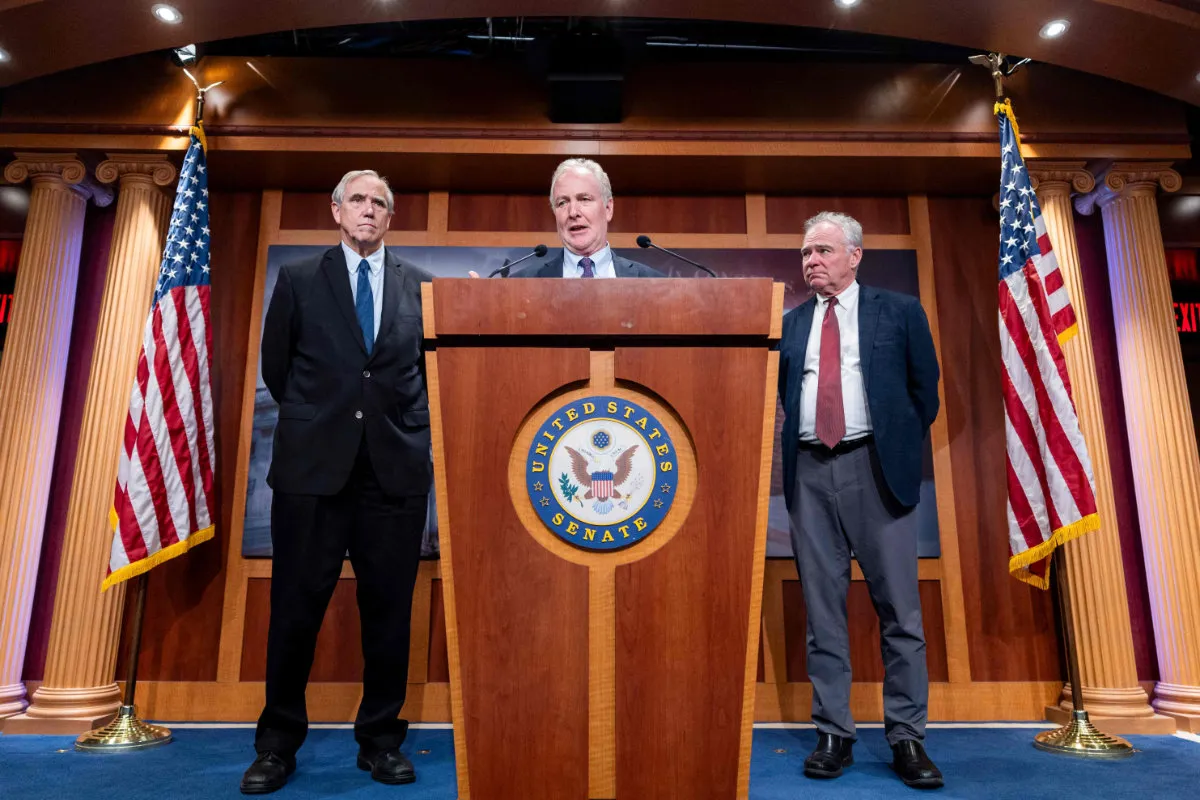
Thirteen Freshman Senators Just Became Chuck Schumer's Toughest Test
Democrats' newest class votes on Senate leadership before being sworn in, and the choice between Chuck Schumer and challenger Chris Van Hollen will set how hard the party fights.
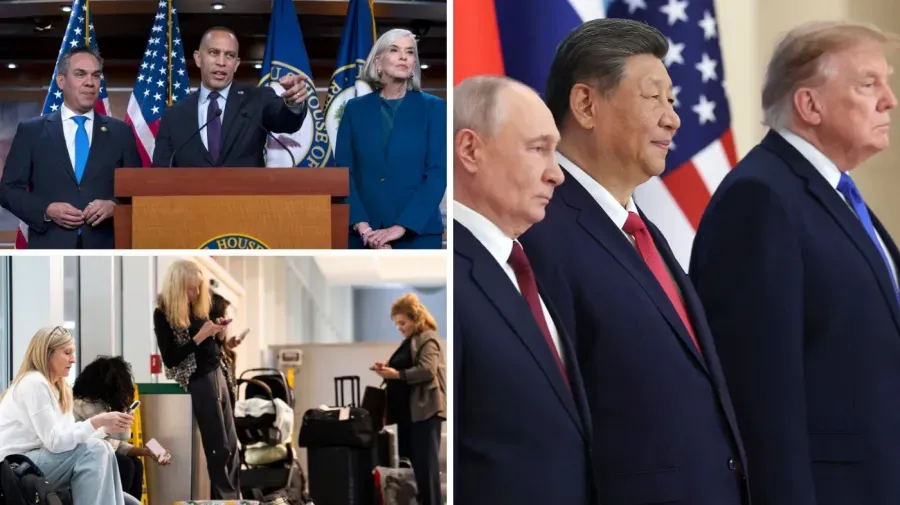
Democrats Nominate Jeffries for Speaker, Teeing Up a Historic First
House Democrats' leadership slate delivers two firsts in one week, and it lands as Trump's security agenda heads to the Sunday shows.
Musk Says He Is 'Not MAGA' as Trump's Coalition Heads for the Exit
The most notable defection yet lands after a midterm thumping, and the question for every operator is how fast the next names follow.