
Trump pardons Pete Rose. The 4,256 hits still don't unlock Cooperstown.
The posthumous pardon closes a federal tax case, but it cannot lift MLB's 1989 ban or move the Hall of Fame's voters, and that gap is the whole story.
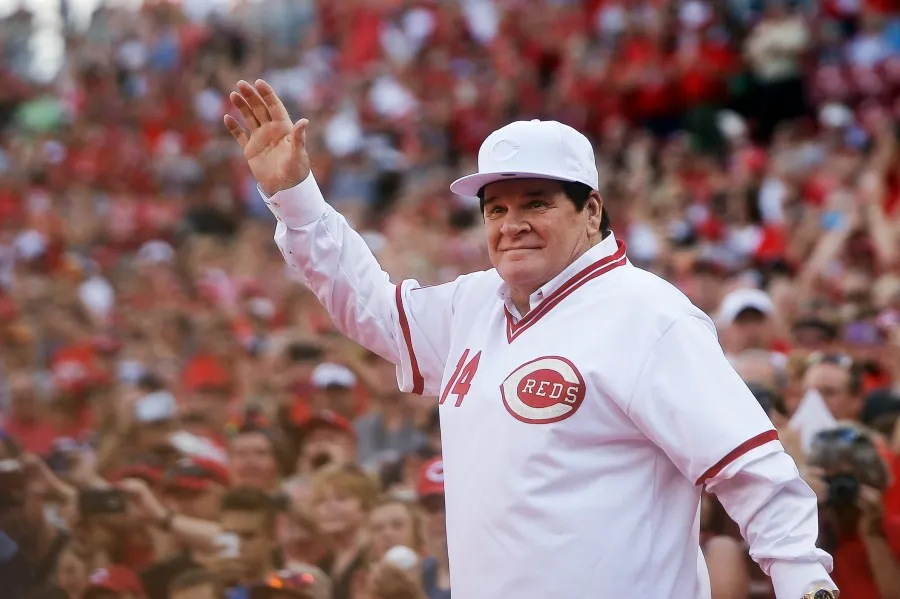
President Trump on Thursday posthumously pardoned baseball legend Pete Rose, an idea he had floated for nearly two years, citing Rose's record of 4,256 hits. The pardon clears a federal record but leaves untouched the MLB ban and Hall of Fame eligibility that actually define Rose's legacy, a reminder that legal relief and institutional reinstatement run on separate tracks.
President Trump on Thursday posthumously pardoned Pete Rose, the all-time hits leader whose 1989 banishment from baseball turned him into the sport's most famous exile. "I have just given a Complete and Total Pardon to the Late, Great Pete Rose, a true Baseball SUPERSTAR & LEGEND, whose record of 4,256 Hits in a Season will never be broken," Trump wrote. The number is not spin. Rose's 4,256 hits are the most in major league history, a career total that has stood untouched since he stopped playing in 1986. The pardon itself is a federal instrument, aimed at federal crimes. It does not touch the thing that actually kept Rose out of Cooperstown.
That gap is the story. Rose was placed on baseball's permanently ineligible list in 1989 after an investigation into his betting on games, and the Hall of Fame later moved to keep anyone on that list off the writers' ballot. A president can erase a federal conviction. He cannot lift a private league's ban, and he cannot instruct the Baseball Writers' Association of America or the Hall's voters to do anything. Rose's federal exposure was always a separate matter: he pleaded guilty in 1990 to filing false tax returns, a case that had nothing to do with the box scores. Two institutions, two rulebooks, one name.
Trump had been floating the idea for nearly two years before Thursday's announcement, according to the source. Rose died in 2024, which makes this a posthumous pardon, a category presidents use sparingly and usually for symbolic repair rather than legal necessity. There is no sentence left to commute and no prison bed to empty. What remains is the signal: a president willing to spend his clemency power on a baseball argument that has been raging for more than three decades.
For anyone who has not tracked the mechanics, here is how the door actually works. Hall of Fame induction runs through the BBWAA, which votes on a 10-year window and requires 75 percent support. Rose's name never appeared on those ballots, because the Hall's board voted in 1991 to bar players on the permanently ineligible list. A separate veterans committee path exists, and it too has stayed closed. So the pardon changes Rose's federal record and nothing about his plaque. The record book and the voting booth are governed by different authorities, and only one of them answers to the White House.
The irony is thick enough to cut. When Rose was banned, gambling on baseball was the cardinal sin, the one act that could get a legend erased. Today, sports betting is legal in most states, leagues have official sportsbook partners, and wagering revenue is a line item in media rights negotiations. The conduct that ended Rose's career is now a growth business. That reversal does not make Rose innocent of what he was accused of, and it does not obligate the Hall to reconsider. But it does explain why the case still generates heat: the sport's ethics changed around him while his status stayed frozen.
Posthumous pardons are rare, and they tend to be about narrative as much as justice. They cost a president nothing operationally and generate outsized attention, which makes them attractive currency in a crowded news cycle. For Rose's family and fans, the gesture is real and it is final. For everyone else, it is a case study in a distinction that shows up far beyond baseball: legal rehabilitation and institutional rehabilitation are not the same product, and one does not automatically deliver the other.
That is the lesson worth carrying into a boardroom. Companies, leagues, exchanges, and professional bodies all run on private rulebooks. A settlement with a regulator, a dropped investigation, or a favorable court ruling can close the legal file without reopening the commercial one. Sponsors, voters, and counterparties apply their own standards, on their own timelines, often with no obligation to explain themselves. Anyone who assumes a legal win settles a reputational fight is planning for the wrong ending.
So the pardon is real, the 4,256 is real, and the door to Cooperstown is still shut. Trump gave Rose the one thing he could give. The other thing, the one Rose spent his last decades chasing, was never his to give.
This story's Key Insights and Take-aways are locked.
Create a free account to unlock Executive Actions for one credit.
Register to UnlockAlways free for Executives Club members. Join the Club
More in Politics

Fifth Circuit Kills Pregnant Workers' Law Over Pandemic Proxy Votes
A procedural ruling, not a policy one, has blocked a federal pregnancy-accommodation law and put every pandemic-era statute in the crosshairs ahead of an expected Supreme Court appeal.

Measles kills a Virginia child under 5, the state's first death of 2026
Virginia's health department confirmed the death but withheld the child's vaccination status, leaving schools, clinics and employers to plan around the one detail that would explain the most.

Former Brazilian President Bolsonaro Hospitalized with Intestinal Obstruction
The health status of the former far-right leader raises immediate questions about political stability and the trajectory of Brazil's conservative movement.