
Trump's 90-minute reset: Asia trade deals, and a Xi-Putin meeting that drew fire
Trump used a nearly 90-minute White House news conference to reframe his Asia trip around announced trade deals, but the trilateral sit-down with Xi Jinping and Vladimir Putin is the part that will follow him.
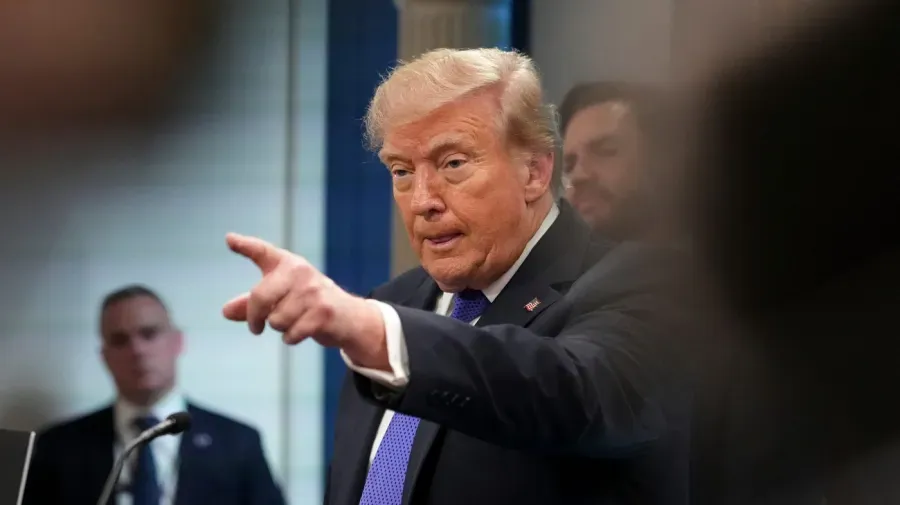
President Trump held a nearly 90-minute White House news conference Friday to talk up his Asia trip, which included announced trade deals and a controversial trilateral meeting with Chinese President Xi Jinping and Russian President Vladimir Putin. For executives, the announcements matter less than the implementing text behind them and the signal a three-way format sends about US policy toward Beijing and Moscow.
President Trump spent almost 90 minutes at a White House news conference Friday trying to do one thing: get his momentum back. The stated agenda was his recent trip to Asia, which produced announced trade deals. The element that traveled furthest, and the one The Hill flagged as the trip's most controversial, was a trilateral meeting with Chinese President Xi Jinping and Russian President Vladimir Putin. That is the headline inside the headline: not the deals, but the table they were announced alongside.
The length is the tell. A news conference that runs nearly 90 minutes is not a routine briefing. It is a format a president chooses when he wants volume, repetition, and a long runway to reframe a story that is not breaking his way. Trump's ostensible purpose, per the reporting, was to talk up the achievements of the Asia swing. Read that as a signal about what the White House thinks needs defending. When the message is "look at what we accomplished," the subtext is usually that the accomplishment is not speaking for itself.
Start with the trade deals, because that is the part with a paper trail. Presidential trips to Asia have historically doubled as signing ceremonies, and the announcements that come out of them typically range from binding commitments to frameworks that take months or years to convert into implemented policy. For companies with Asian supply chains, export exposure, or sourcing concentrated in the region, the announcement is never the operative event. The tariff schedule is. The rules of origin are. The date a measure actually takes effect is. None of those get settled by a news conference, and executives who treat a signing photo as a policy outcome tend to get surprised later.
Then there is the trilateral, which is where the controversy lives. A US president sitting down with the leaders of both China and Russia in a single format is, historically, an unusual piece of diplomacy. China is one of the largest US trading partners. Russia has been the target of sweeping US sanctions in recent years. Putting both at the same table raises an obvious question for anyone who has to plan around US foreign policy: what, if anything, was traded to make that meeting happen, and what does it signal about where Washington's pressure campaign is heading next?
The reason the trilateral drew more fire than the trade deals is not hard to see. A bilateral trade signing and a three-way sit-down read very differently in allied capitals. Trade deals are transactional and legible; they have text, timelines, and counterparties. A trilateral meeting is a signal, and signals are ambiguous by design. That ambiguity is exactly what makes it useful to a president trying to project that he is managing great-power relationships directly, and exactly what makes it uncomfortable for governments and companies that have built their own strategies around a harder line.
For markets, the read-through splits in two. Trade announcements of this kind typically move sentiment first and earnings later, if at all. The sentiment move is fast and shallow; the earnings move depends on whether the deals survive contact with implementing agencies, legislatures, and the ordinary grind of enforcement. The trilateral, by contrast, has no direct earnings channel. Its effect is on risk premia: how investors price the probability of a shift in sanctions policy, export controls, or tariff posture toward China and Russia. That is a slower, stickier variable, and it is the one that shows up in cost of capital rather than in a single day's trading.
So what should an operator or a board actually do with this? Three things. First, separate the announcements from the instruments. Ask your government affairs and trade compliance teams which of the Asia announcements have implementing text behind them and which are still communiques. Second, stress-test your Russia and China exposure against a wider range of policy outcomes than you were running six months ago, because a trilateral format implies a channel of communication that did not obviously exist before. Third, watch the follow-up. A meeting that produces a second meeting is a process. A meeting that produces only a readout is a photograph. The difference matters enormously to anyone with capital parked in the region.
The 90 minutes bought Trump a news cycle, and by the reporting's own framing, that was the point: regain momentum, talk up the trip, move the story. Whether it bought him a narrative is a different question, and it will be answered by documents rather than by a podium. Trade deals become real when they are implemented. Trilateral meetings become real when they recur. Until then, the most useful posture for anyone with exposure to Asia, China, or Russia is the same one it was before Friday: read the text, not the transcript.
This story's Key Insights and Take-aways are locked.
Create a free account to unlock Executive Actions for one credit.
Register to UnlockAlways free for Executives Club members. Join the Club
More in Politics
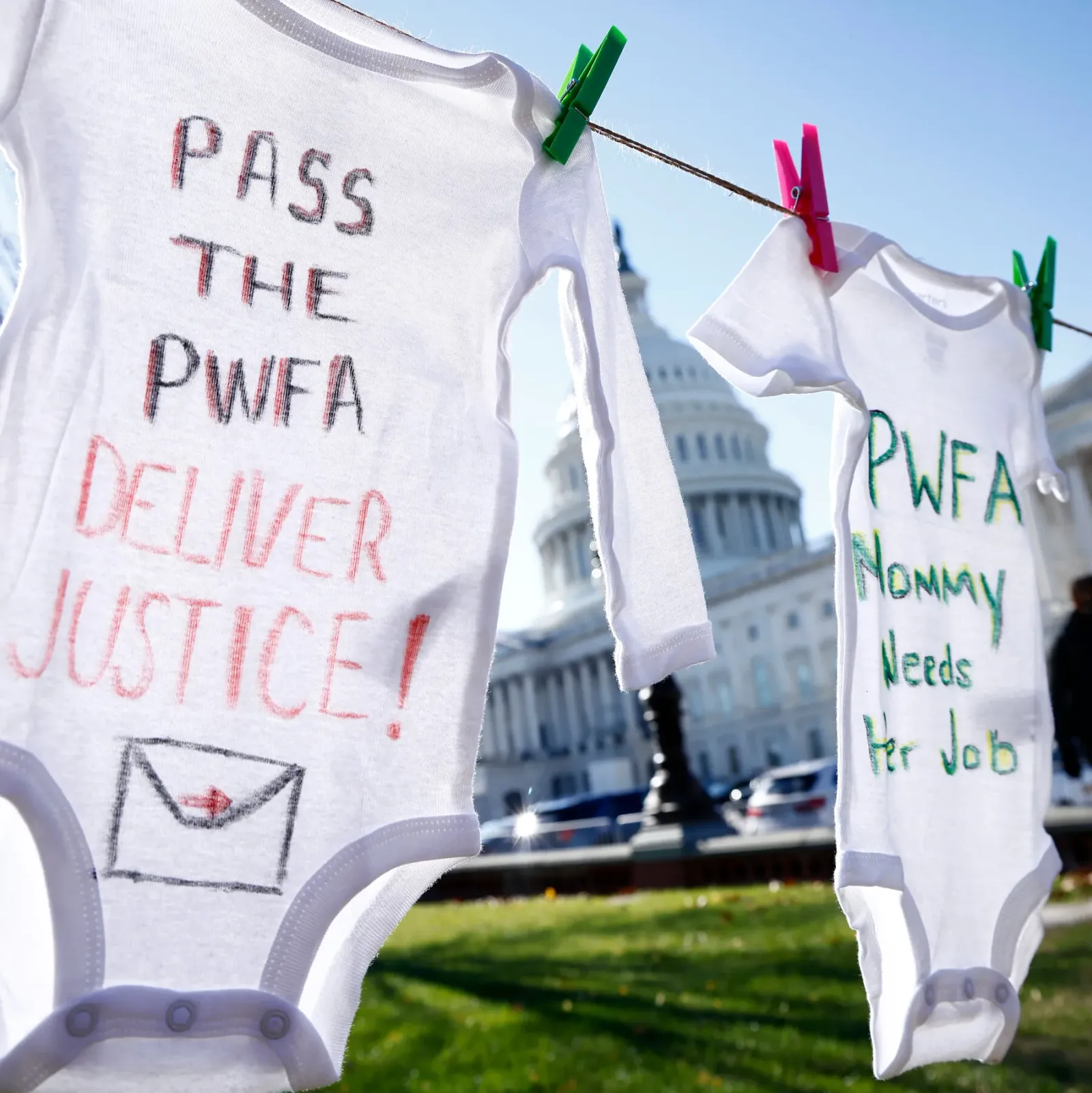
Fifth Circuit Kills Pregnant Workers' Law Over Pandemic Proxy Votes
A procedural ruling, not a policy one, has blocked a federal pregnancy-accommodation law and put every pandemic-era statute in the crosshairs ahead of an expected Supreme Court appeal.

Measles kills a Virginia child under 5, the state's first death of 2026
Virginia's health department confirmed the death but withheld the child's vaccination status, leaving schools, clinics and employers to plan around the one detail that would explain the most.

Former Brazilian President Bolsonaro Hospitalized with Intestinal Obstruction
The health status of the former far-right leader raises immediate questions about political stability and the trajectory of Brazil's conservative movement.