
Trump Suggests Theaters Join Federal Film Tax Credit Bill
At the White House, Trump suggested the federal film and TV production credit bill may also support theaters, a signal that exhibitors could become stakeholders in a production incentive fight.
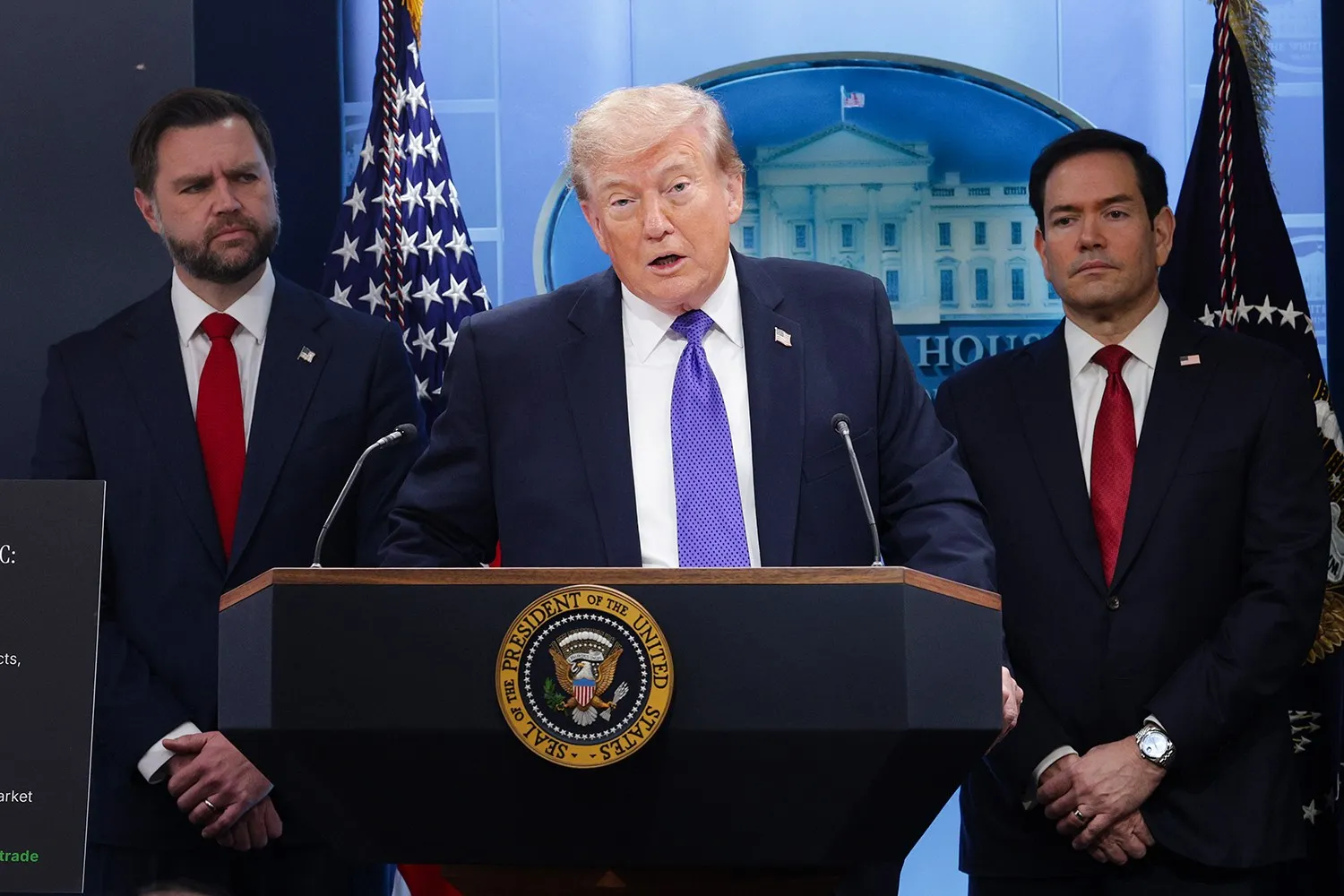
President Trump suggested at the White House on Friday that the bill creating a federal tax credit for film and TV production may also include support for theaters. For studios, exhibitors, and investors, the remark puts a new segment of the media value chain in play before any legislative text, cost, or eligibility rule exists.
President Trump on Friday suggested that the bill creating a federal tax credit for film and TV production may also include support for theaters. The remark came as he took questions at the White House about areas of cooperation with the incoming Democratic majority in Congress. Trump praised the Democratic leaders and briefly touched on healthcare, according to the report. The theater line was the film-industry hook: a sitting president publicly opening the door to putting cinemas inside a production incentive bill.
The distinction matters. The bill described in the source is aimed at film and TV production, the work of making movies and series. Theaters are exhibition, the business of putting finished titles on screens and selling tickets. A federal credit that reaches theaters would not simply be a bigger production subsidy; it would touch a different part of the value chain, with different companies, cost structures, and political constituencies. No dollar amount, eligibility rule, or legislative text accompanied the suggestion. That leaves the practical question open: support could mean a tax credit, a grant, or something else, and the report does not say.
For context, film and TV production incentives in the U.S. have historically been mostly a state and local game. States have used credits and rebates to pull shoots, jobs, and spending into their borders. A federal production credit would be a different lever: it would put Washington directly into a competition that has usually been fought governor by governor. Adding theaters would widen that lever into an industry that does not move a production from one state to another in the same way. A theater is fixed in place. Its economics depend on attendance, rent, screens, and film supply.
Exhibitors have spent years navigating a brutal reset. Streaming changed the window between a movie's theatrical release and its arrival at home, and the pandemic shook attendance habits. The report does not quantify those pressures, but the political logic of the remark is easy to see: theaters are visible local businesses, often in districts that lawmakers care about, and they sit at the intersection of culture, real estate, and small-business employment. A federal credit framed as film and TV support could become more attractive to legislators if it also throws a line to Main Street cinemas. That is why the suggestion is bigger than a throwaway line, even without details.
The setting matters as much as the policy. Trump was asked about cooperation with the incoming Democratic majority in Congress, and he used the answer to praise Democratic leaders. A federal film credit bill would need cross-party support to move. Adding theaters could broaden the coalition: production hubs want the credit for studios and crews, while exhibitors in other states could become stakeholders in the same package. The risk is that a broader bill becomes a Christmas tree, with each addition creating a new fight over eligibility and cost. The report does not say whether theaters would be a core provision or a sidecar.
For studio chiefs and CFOs, the immediate task is not to model a tax benefit that may not exist. It is to watch the bill's text. If theaters enter the eligible class, the definition will decide who benefits: chains, independent cinemas, or both; new construction or existing operations; tax credits that can be sold or only used against profits. Those choices can be worth more than the headline rate. For exhibitors, a federal program could mean a second source of public support alongside local incentives, but only if the mechanics fit thin-margin, capital-intensive businesses. For lenders and landlords, a credit could change underwriting on renovations and screens, but again only after the rules are written.
The safe read is that Trump has signaled interest, not enacted policy. The useful read is that the film credit bill is now a live vehicle for a broader cultural-industry package. Executives should expect the theater question to surface in lobbying, trade-group positioning, and state incentive negotiations before it surfaces in a final bill. If Congress defines film and TV production narrowly, theaters stay outside. If it defines support broadly, the bill could become a rare federal intervention in both content and exhibition. The report gives one signal of intent and no map. That is enough to put the issue on the board, not enough to bank the benefit.
This story's Key Insights and Take-aways are locked.
Create a free account to unlock Executive Actions for one credit.
Register to UnlockAlways free for Executives Club members. Join the Club
More in Politics

Fifth Circuit Kills Pregnant Workers' Law Over Pandemic Proxy Votes
A procedural ruling, not a policy one, has blocked a federal pregnancy-accommodation law and put every pandemic-era statute in the crosshairs ahead of an expected Supreme Court appeal.

Measles kills a Virginia child under 5, the state's first death of 2026
Virginia's health department confirmed the death but withheld the child's vaccination status, leaving schools, clinics and employers to plan around the one detail that would explain the most.

Former Brazilian President Bolsonaro Hospitalized with Intestinal Obstruction
The health status of the former far-right leader raises immediate questions about political stability and the trajectory of Brazil's conservative movement.