
U.S. demands Iran affirm Hormuz is fully open and not firing at vessels
After strikes exchanged near the Strait of Hormuz, Washington is pushing for explicit assurances to keep shipping traffic moving safely.
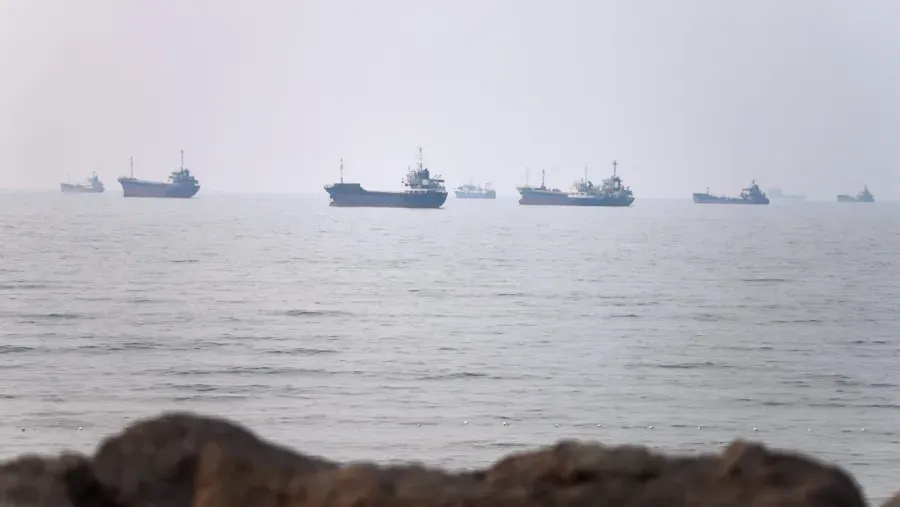
The U.S. is demanding Iran affirm that the Strait of Hormuz is fully open to shipping traffic and that Iranian forces are not firing on vessels, according to The Hill. The request comes as both sides continue to trade strikes in and around the strategic oil chokepoint.
The U.S. is demanding Iran affirm two specific things about the Strait of Hormuz: that it is fully open to shipping traffic, and that Iranian forces are not firing on vessels. The demand lands while the U.S. says strikes are being traded in and around the strategic oil chokepoint, raising the risk that commerce through one of the world’s most important maritime corridors could be disrupted fast, and then stay disrupted.
A senior U.S. official told The Hill’s sister network NewsNation on Friday that Washington is pressing for these acknowledgements. In other words, this is not just diplomacy in the abstract. It is a call for explicit, operational assurances that reduce the room for miscalculation by both sides and, crucially, for hesitation by everyone else who depends on predictable shipping lanes.
Why does “fully open” matter in practice? Because the Strait of Hormuz is where global energy logistics tighten. When military activity flares near shipping chokepoints, insurers price in risk, port operators adjust schedules, and ship owners decide whether the corridor is worth the operational hazard. Even if commercial vessels are not directly targeted, the fear of what might happen next can create a real-world supply shock. That is the second-order effect executives feel even before any headline hits a warehouse: delays, rerouting costs, and changes in contract assumptions about delivery timing.
This is also why the U.S. focus on “not firing on vessels” is so specific. In a strike environment, the ambiguity of what counts as a legitimate target becomes as important as intent. An explicit assurance is designed to shrink the interpretive space that can trigger accidental escalation. It signals that the U.S. wants Iran to draw a clear operational line, so that vessel operators and naval forces can make planning decisions without guessing how every encounter will be treated.
And if you think this is only a geopolitical story, consider how it touches the regulatory and market plumbing. Shipping traffic and maritime insurance are heavily risk-managed systems. When risk changes, so do premium levels and coverage terms. Contracts for energy and related derivatives often reflect expectations around physical transport constraints, and those expectations can shift quickly when the world’s most watched chokepoint starts to look unstable. Even without any confirmed commercial disruption in the source, the demand itself is a signal that Washington believes the situation could spill into broader economic channels.
The U.S.-Iran standoff here also matters for policymakers and corporate decision-makers because “assurance” language can become a reference point for future claims, sanctions enforcement, and compliance decisions. If the Strait is “fully open,” then anyone arguing otherwise might face a higher bar. If Iranian forces are “not firing on vessels,” that can shape how subsequent incidents are interpreted, including what counts as an unlawful escalation versus a legitimate defensive posture. That interpretation feeds directly into how regulators frame shipping advisories, enforcement priorities, and risk disclosures.
For boards and C-suites, the operational takeaway is straightforward: when security around critical infrastructure changes, planning horizons compress. The move is not to predict the next strike, but to assume that the shipping corridor assumptions embedded in procurement, logistics, and energy exposure models need rapid recalibration. If the Strait of Hormuz becomes harder to use, the impact can cascade across energy inputs, transportation costs, and time-to-deliver on the widest possible range of downstream industries.
The strategic stakes are bigger than the immediate demand. The U.S. is essentially trying to de-risk the corridor while the two sides continue to trade strikes. That means the success of the diplomatic push is measured not in statements alone, but in whether it can stabilize behavior at sea, reduce uncertainty for vessel operators, and prevent the kind of ambiguity that can turn a limited exchange into a sustained disruption. For executives monitoring risk, this is the moment to understand that in this conflict, logistics is not a backdrop. It is the battlefield where timing, insurance, and contracts collide.
This story's Key Insights and Take-aways are locked.
Create a free account to unlock Executive Actions for one credit.
Register to UnlockAlways free for Executives Club members. Join the Club
More in Politics

Glacial collapse, not rain, killed 180 in Nepal's Himalayan flood
The Himalaya's extreme geography hid the true cause of Nepal's catastrophic flood, a glacial collapse that turned a geological battleground into a mass-casualty zone.

Iran’s Esmail Baghaei says Oman talks start shipping via Hormuz, not US talks yet
Temporary route plans with Oman aim to restart commerce while Tehran says Washington dialogue is not on the table.

Standards watchdog opens probe into Reform UK deputy leader Richard Tice over interests
The parliamentary standards commissioner says it began an investigation on 28 July into a possible undeclared interest.