
UK regulator: Angela Eagle is breaking the law as wild birds hit record low
45% of 132 native breeding species are in decline and populations sit at their lowest on record, and the environment regulator says ministers and Natural England are failing a legal duty to act.
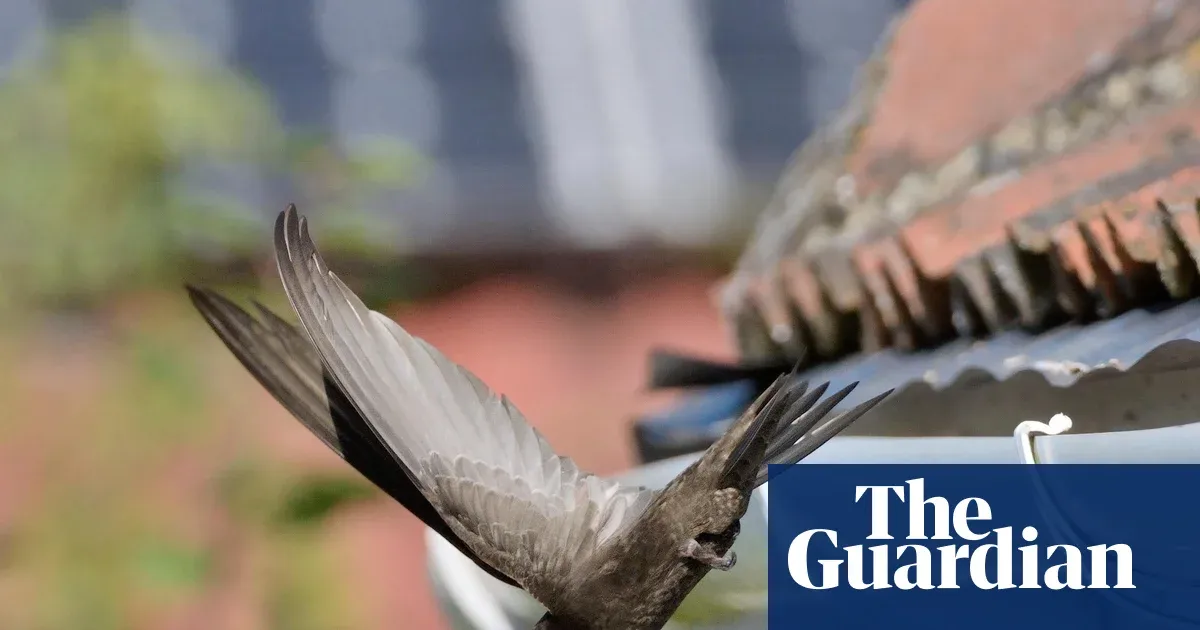
The UK's environment regulator has accused environment secretary Angela Eagle, her ministers and Natural England of breaking the law by failing to intervene as wild bird populations fall to their lowest level on record, with 45% of 132 native breeding species in decline over five years. For executives, the finding converts nature decline from a reputational talking point into a live compliance and planning risk that will shape consents, lending screens and disclosure baselines.
Britain's environment regulator has named names, and the charge is blunt: the environment secretary, Angela Eagle, her ministers and Natural England are breaking the law by failing to intervene to slow the decline of the country's wild birds. The evidence attached is just as blunt. New data shows wild bird populations have dropped to their lowest level on record, with 45% of 132 native breeding species in decline over a five-year period. Read that again: nearly half of Britain's native breeding bird species are shrinking at once, measured across five years, and the regulator describes the trend as "deeply concerning". This is not a bad season or a statistical blip. It is a sustained, documented slide, and it is now the subject of a public accusation of illegality against the minister whose job is to stop it.
Why does the word "law" matter so much here? Regulators rarely accuse their own government of breaking the law in public. The usual playbook is private letters, technical warnings and quiet escalation, because a formal finding of legal failure is a political event, not just a scientific one. When a watchdog goes public, it typically signals that the softer channels have been tried and have not produced action. For Eagle, that reframes the story from "birds are struggling" to "the government may be in breach of its own duties", which is a far harder headline to manage in a budget cycle, a cabinet reshuffle or an election run-in.
For context on how this machinery works: modern environmental regulation in the UK, as in much of Europe, rests on statutory targets and an independent body with a mandate to hold government to account against them. Natural England sits inside that system as the government's statutory adviser on the natural environment, which is why it is named alongside ministers rather than treated as a bystander. The regulator's complaint is not that the science is unclear. It is that the intervention has not happened. That distinction matters legally, because a duty to act is different from a duty to care, and failure to act is exactly the kind of gap a regulator can point at.
Birds are the indicator species of the British countryside, which is why this number carries more weight than its subject suggests. They sit at the top of food chains that run through insects, seeds and soil, so when 45% of native breeding species decline, the signal is usually about the whole system underneath them: habitat loss, changing land use, pesticide pressure, and the slow squeeze on the margins where wildlife lives. For context, farmland birds have historically been among the sharpest decliners in Europe, and the ecosystem services at stake, pollination, pest control, soil health, are services that agriculture and food supply chains get for free until they do not.
The political economy is where this gets uncomfortable. Governments of every stripe face the same squeeze: conservation duties collide with housing targets, energy infrastructure, road building and the growth agenda, and the environment portfolio is rarely the one with the loudest voice in the room. Add a stretched public balance sheet and the temptation is always to defer. But deferral is precisely what the regulator is calling out. If the legal duty is real and the data is on record, then inaction is not a neutral choice; it is a decision with a paper trail.
Second-order effects will land well beyond Whitehall. Developers, infrastructure operators and landowners already work inside a planning system that increasingly asks them to prove they are not making nature worse, and a formal finding that the state itself is failing its nature duties tends to sharpen every condition attached to a consent. Lenders and insurers that price environmental risk will read the same data. Supply chains that depend on stable land and water will eventually feel it. And companies preparing nature-related disclosures now have a fresh, government-sourced data point to explain why the baseline keeps moving.
What to watch next is enforcement, not sentiment. The regulator has put its finding on the record; the open questions are whether it escalates, whether the duty is tested formally, and whether ministers respond with money, rules or rhetoric. For executives and boards, the strategic read is simple: nature risk is no longer a reputational side issue, it is a regulatory one, and the UK's own watchdog has just demonstrated it is willing to say so out loud. If a government can be accused of breaking the law over birds, no company should assume its own environmental promises will go unexamined.
This story's Key Insights and Take-aways are locked.
Create a free account to unlock Executive Actions for one credit.
Register to UnlockAlways free for Executives Club members. Join the Club
More in Politics

Fifth Circuit Kills Pregnant Workers' Law Over Pandemic Proxy Votes
A procedural ruling, not a policy one, has blocked a federal pregnancy-accommodation law and put every pandemic-era statute in the crosshairs ahead of an expected Supreme Court appeal.

Measles kills a Virginia child under 5, the state's first death of 2026
Virginia's health department confirmed the death but withheld the child's vaccination status, leaving schools, clinics and employers to plan around the one detail that would explain the most.

Former Brazilian President Bolsonaro Hospitalized with Intestinal Obstruction
The health status of the former far-right leader raises immediate questions about political stability and the trajectory of Brazil's conservative movement.