
USA Withdrawal Forces Dominican Republic Into FIFA U-17 World Cup
FIFA President Gianni Infantino dismissed security fears as the tournament kicks off in Doha despite the US withdrawal.
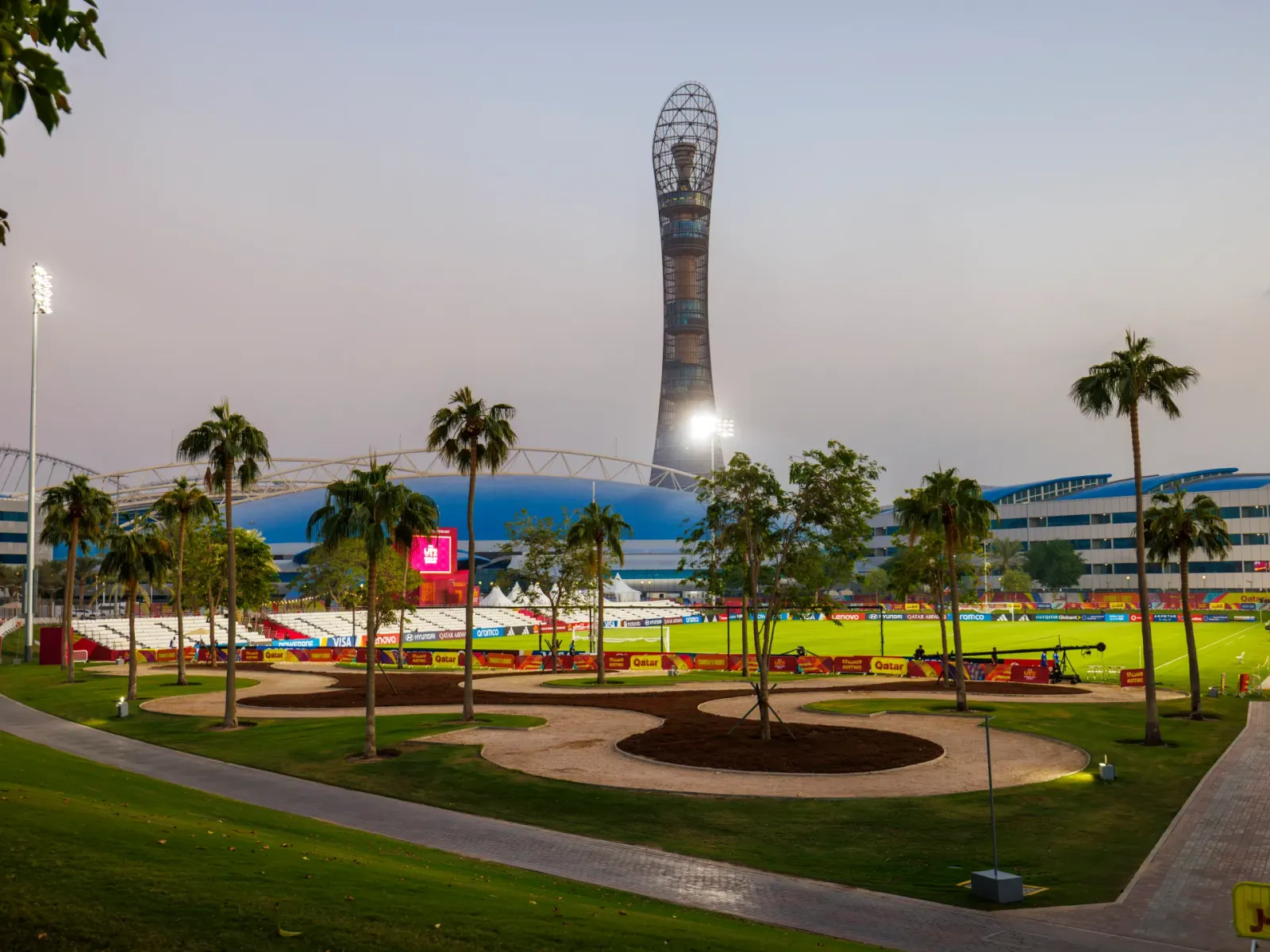
FIFA is proceeding with the Under-17 World Cup in Qatar, despite the United States withdrawing its national team citing safety concerns. This move signals the global governing body's commitment to the event and sets a precedent for international sports hosting amid geopolitical tension.
The FIFA Under-17 World Cup has officially begun in Qatar, a massive global youth football competition that is moving forward despite the sudden and high-profile withdrawal of the United States national team. The Dominican Republic has stepped into the void, replacing the US in a tournament that will feature 48 teams over the next 25 days. This development comes after US Soccer cited safety concerns last Thursday, a move that forced FIFA to publicly reaffirm its confidence in the security of the host nation.
FIFA President Gianni Infantino has been the primary voice assuring the world that the event will proceed without interruption. In a statement, the governing body confirmed that the safety and security of all participants and fans remain paramount. Infantino stated that everyone is safe in Doha, a declaration that comes as the tournament opens with concurrent matches. This swift pivot demonstrates FIFA's commitment to the event's schedule and its global brand, even when faced with significant diplomatic and security challenges from major participating nations.
For context, the U-17 World Cup is a crucial platform for global football development, attracting intense international scrutiny. The tournament, which is being held in the 2022 World Cup host nation, is set to take place at the competition complex in Aspire Zone, Qatar’s central sporting hub. The 25-day event, which began with matches on Thursday, will culminate in a final on December 13th at the Ahmad bin Ali Stadium, a venue that served as a host for the FIFA World Cup 2022.
The security concerns raised by the US were a major talking point, given the current geopolitical climate. Qatar has not been targeted by missiles since July, a period of heightened regional tension linked to the US-Israel war on Iran. FIFA addressed these concerns directly, stating that they are in close contact with the relevant authorities and that the safety of all attendees is their top priority. This is not merely a statement of intent; it is a declaration of operational readiness by the Qatari government and FIFA's security apparatus.
To bolster its case for hosting major international events, Qatar has recently demonstrated its logistical and infrastructural capabilities. In the two weeks leading up to the tournament, the nation successfully hosted two other high-profile global competitions. The MotoGP Qatar Grand Prix was held on November 8th, and the FIP Padel World Cup 2026 concluded on the same day. These events serve as recent proof points for the country's ability to manage complex, large-scale international gatherings under intense global observation, providing a strong foundation for the U-17 World Cup.
From a strategic perspective, FIFA's decision to proceed, despite the US withdrawal, is a powerful statement about the global reach and resilience of the organization. It underscores the immense commercial and sporting value placed on the tournament. For FIFA, the brand equity of the World Cup events is too high to be derailed by the absence of a single major participant. The replacement of the US with the Dominican Republic, while a logistical adjustment, allows the tournament to maintain its integrity and competitive balance, ensuring the global audience receives the full, intended product.
For decision-makers in sports management, event hosting, and international governance, this situation presents a case study in risk mitigation and brand protection. When a major stakeholder pulls out, the ability of the governing body to absorb the shock, maintain momentum, and reassure the market is what defines its strength. Qatar has successfully navigated the security narrative, transforming a potential crisis into a continuation of a major global spectacle. The focus now shifts to the competitive intensity of the 48 teams and the execution of the tournament's schedule, culminating in the final on December 13th.
This story's Key Insights and Take-aways are locked.
Create a free account to unlock Executive Actions for one credit.
Register to UnlockAlways free for Executives Club members. Join the Club
More in Politics

Fifth Circuit Kills Pregnant Workers' Law Over Pandemic Proxy Votes
A procedural ruling, not a policy one, has blocked a federal pregnancy-accommodation law and put every pandemic-era statute in the crosshairs ahead of an expected Supreme Court appeal.

Measles kills a Virginia child under 5, the state's first death of 2026
Virginia's health department confirmed the death but withheld the child's vaccination status, leaving schools, clinics and employers to plan around the one detail that would explain the most.

Former Brazilian President Bolsonaro Hospitalized with Intestinal Obstruction
The health status of the former far-right leader raises immediate questions about political stability and the trajectory of Brazil's conservative movement.