
Uvalde father identified his 9-year-old's body. Now he wants hospitals ready.
The family of Jackie, one of 19 children killed at Robb Elementary, is turning the worst night of their lives into a push for mass casualty preparedness at hospitals, and the gap they are pointing at is one every health system should measure before it is tested.
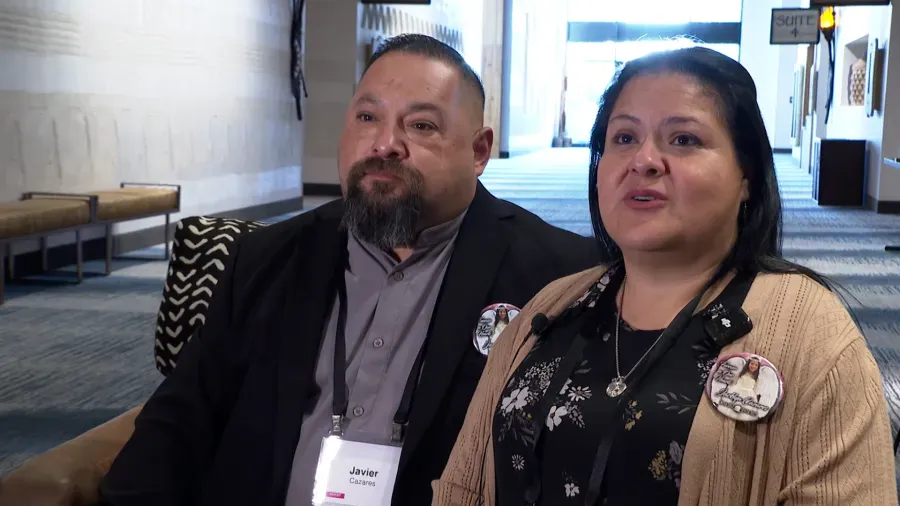
Javier, the father of nine-year-old Robb Elementary victim Jackie, has spoken publicly about identifying his daughter's body after the Uvalde shooting, and his family hopes that experience drives better mass casualty preparedness at hospitals. For hospital executives and boards, that is a direct challenge to the surge plans, pediatric readiness, and family notification protocols that are rarely audited until a disaster exposes them.
Javier choked up as he described the moment he and his family identified the body of their nine-year-old daughter, Jackie. She was one of the 19 students shot and killed by an 18-year-old gunman at Robb Elementary in Uvalde, Texas. That is the whole of the record here, and it is enough: a father, a daughter, a school, a number. What the family wants next is the part that should land in every hospital boardroom in the country. They hope their experience inspires mass casualty preparedness at hospitals, the kind of readiness that is invisible on a good day and decisive on the worst one.
That hope is not abstract. When a shooting happens, the hospital is where the second wave of the disaster arrives. Ambulances bring the wounded. Families arrive before the official word does. Emergency departments that drill for heart attacks and car crashes suddenly have to run triage, surgery, blood, security, media, and grief counseling at the same time, in the same hallway, with the same staff. The Uvalde case is a reminder that the clinical response and the human response are two different systems, and hospitals typically own both.
So what does "ready" actually mean? In practice, mass casualty preparedness is a stack of unglamorous capabilities. Surge capacity, meaning the ability to convert space and staff fast. Triage protocols that hold up when the count of injured outruns the count of beds. Blood supply and rapid transfusion. Pediatric-specific equipment, because children are not small adults and their doses, airway sizes, and monitoring needs differ. And then the piece Javier's account puts front and center: family notification and reunification, the process by which a hospital tells a parent what happened and where their child is. Historically, that last piece has been treated as a communications task rather than a clinical one. It is neither. It is an operational one.
The pediatric gap is the quiet part. Emergency preparedness funding and disaster drills have historically been built around adult trauma, natural disasters, and pandemic surge, because those are the scenarios that fill the most beds. A mass casualty event inside an elementary school inverts that logic. Most hospitals are not pediatric trauma centers, and most emergency physicians see far fewer critically injured children than adults. For context, that mismatch is exactly why pediatric readiness has become a standing concern among emergency medicine researchers: the capability exists in the system, but it is unevenly distributed, and it is rarely stress-tested at the volume a school shooting produces.
There is also an accountability layer that boards tend to underweight. Hospital preparedness in the United States is shaped by a mix of accreditation standards, federal grant programs, and state emergency plans, all of which require documented plans, training, and exercises. The catch is that compliance and capability are not the same thing. A binder can pass an inspection. A drill can be scheduled around staffing. What actually gets tested is whether a night-shift charge nurse can reach a surgeon, whether the blood bank can scale, whether security can hold a perimeter while a hundred parents arrive, and whether anyone has been assigned to talk to families. Those are governance questions, and they belong on a board agenda, not just in a safety committee.
Javier's account is the proof point that the administrative failure is not administrative at all. Identifying a child's body is a process, and it runs through hospitals, coroners, law enforcement, and family assistance systems that are supposed to move quickly and humanely. When they do not, the delay becomes part of the trauma. That is the second-order cost the family is asking institutions to price in: not just whether a hospital can treat the wounded, but whether it can absorb the families without adding to what they have already lost.
The strategic stakes for peers are straightforward. Health system leaders who wait for a mass casualty event to discover their pediatric readiness, their reunification plan, or their surge staffing will be learning in public, under cameras, with regulators and plaintiffs watching. The cheaper path is to measure now: run a pediatric mass casualty exercise with local EMS and school districts, audit family notification workflows end to end, confirm blood and equipment supply chains, and put a named executive owner on the plan. None of that is dramatic. All of it is what a family like Javier's is asking for, and it is the only version of preparedness that holds when the worst day actually arrives.
This story's Key Insights and Take-aways are locked.
Create a free account to unlock Executive Actions for one credit.
Register to UnlockAlways free for Executives Club members. Join the Club
More in Politics
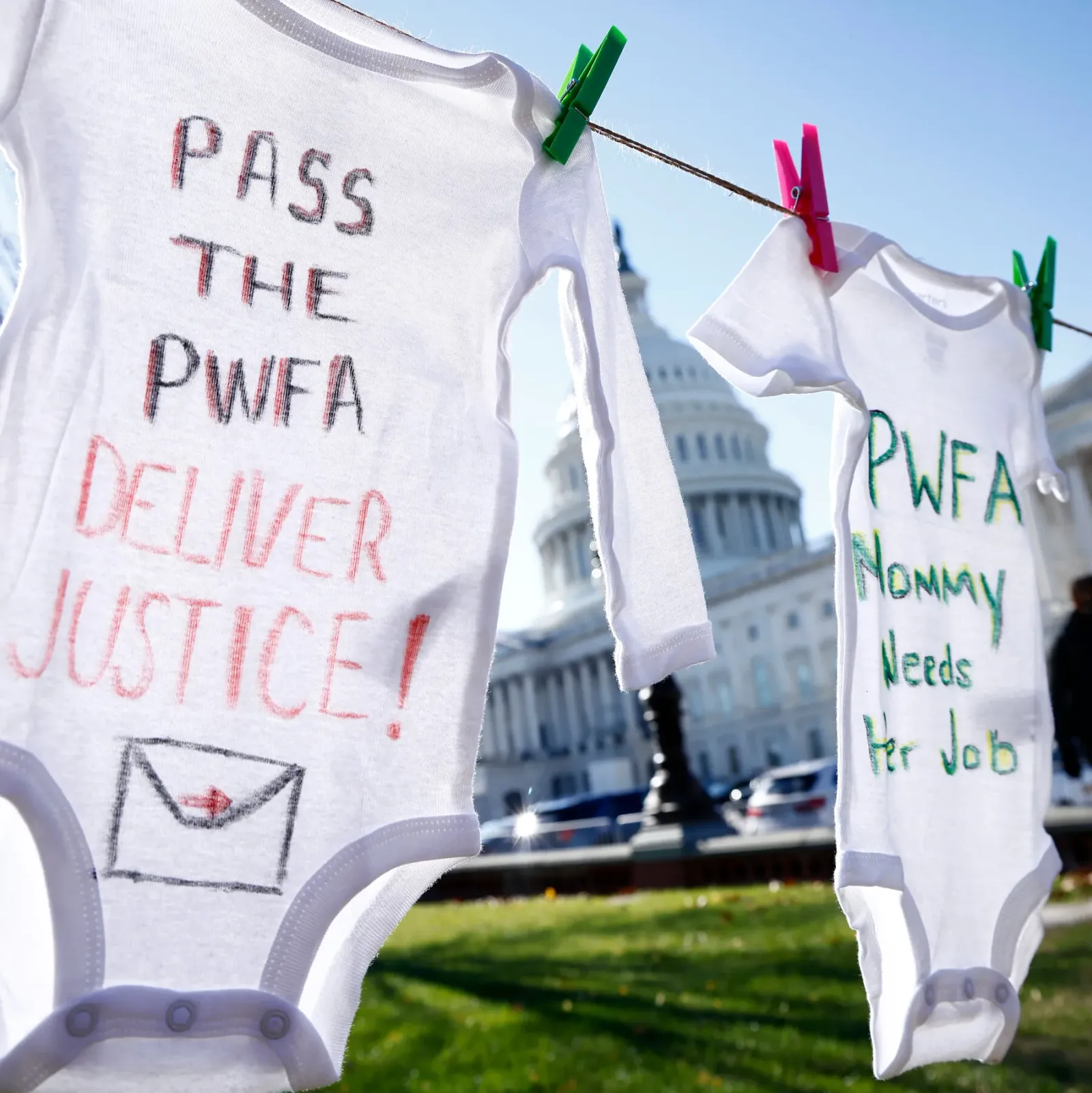
Fifth Circuit Kills Pregnant Workers' Law Over Pandemic Proxy Votes
A procedural ruling, not a policy one, has blocked a federal pregnancy-accommodation law and put every pandemic-era statute in the crosshairs ahead of an expected Supreme Court appeal.
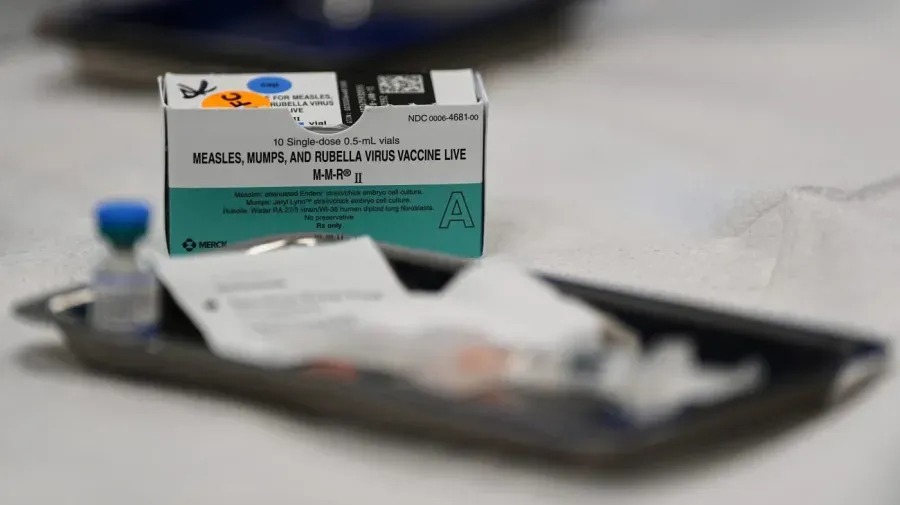
Measles kills a Virginia child under 5, the state's first death of 2026
Virginia's health department confirmed the death but withheld the child's vaccination status, leaving schools, clinics and employers to plan around the one detail that would explain the most.

Former Brazilian President Bolsonaro Hospitalized with Intestinal Obstruction
The health status of the former far-right leader raises immediate questions about political stability and the trajectory of Brazil's conservative movement.