
Valve Signals Steam Machine Price Hikes Due to Component Supply Crunch
Unprecedented RAM and storage costs are forcing Valve to reconsider the pricing and availability of its limited-run hardware.
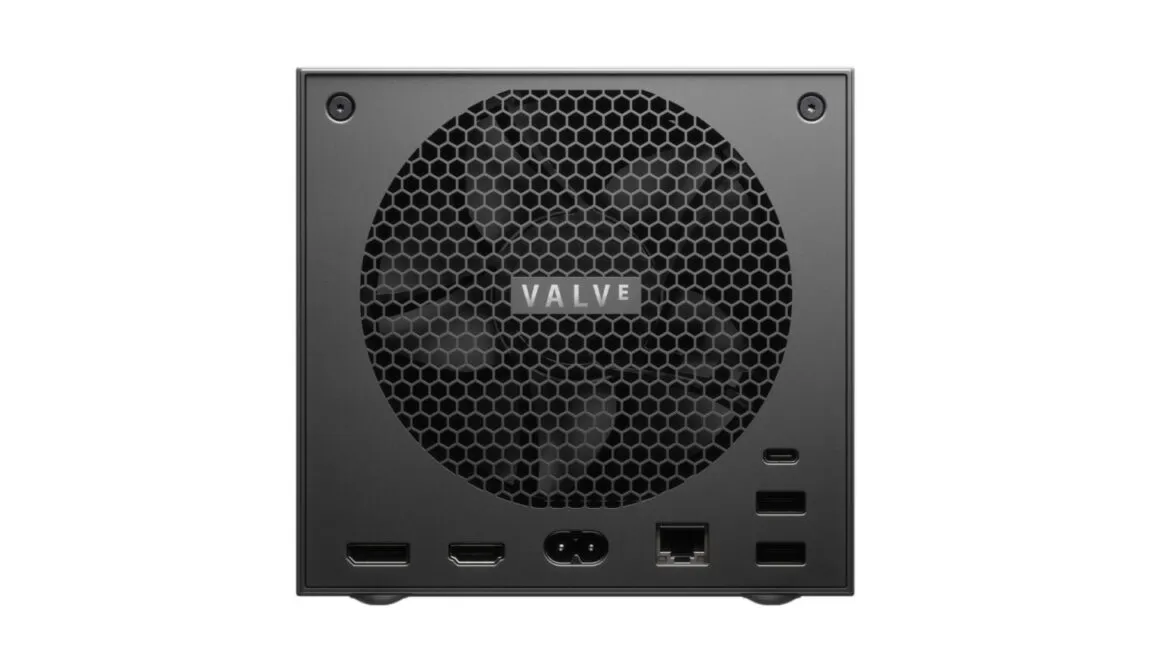
Valve has announced that ongoing supply chain issues and rising component costs necessitate a potential price adjustment for the Steam Machine. This signals a critical shift in how PC hardware manufacturers are managing inflation and scarcity in the current market.
Valve has confirmed that the supply and cost issues currently affecting the Steam Machine will not resolve themselves quickly, meaning the company may be forced to raise the price of the hardware. In a recent blog post, Valve stated that while they are continuing to build more units, the costs associated with memory and storage components are increasing at 'unprecedented levels.' This economic reality means that the company currently does not know the final number of units they can produce, nor the exact price point they will be able to offer consumers. The situation is particularly acute for the 2TB model, which is facing the most significant supply constraints.
This is not merely a localized hiccup in Valve's production line; it is a clear signal of the systemic pressures currently crushing the global PC hardware market. The Steam Machine, which began shipping in June, was already operating under the assumption that its initial production run would be slower and at a higher price than originally planned. This initial caution was driven by the inability to secure scarce RAM and storage components at a reasonable cost. Now, as the final reservations for the first batch are being fulfilled, Valve is facing a choice: absorb these escalating costs and risk margin erosion, or pass the burden onto the consumer. Given the trajectory of component pricing, the latter appears to be the more likely outcome.
To understand the gravity of this situation, one must look beyond Valve and examine the broader semiconductor and memory markets. The components in question-high-capacity RAM and high-speed storage-are subject to volatile global supply chains. Manufacturers are grappling with persistent demand spikes, geopolitical pressures affecting raw material sourcing, and the ongoing transition to more advanced, but more expensive, chip architectures. For a company like Valve, which relies on third-party suppliers for these critical, high-performance parts, these cost increases are not negotiable; they are dictated by the physics of global manufacturing and the current economic climate. The term 'unprecedented levels' is a strong indicator that these are not temporary spikes, but a structural shift in the cost basis of modern computing.
Furthermore, Valve's predicament is not unique in the broader consumer electronics landscape. The pressure on hardware pricing is a macro trend, not an isolated event. The source notes that all three major console manufacturers instituted historically atypical price increases in 2025, and additional price hikes are occurring throughout the year. This parallel movement demonstrates that the pricing power and cost pressures are affecting the entire ecosystem of high-end gaming hardware. Whether it is a PC-based Steam Machine or a dedicated console, the underlying cost of the silicon, the memory, and the assembly is forcing manufacturers to recalibrate their pricing strategies.
For Valve, the strategic implication is a delicate balancing act between maintaining the Steam Machine's value proposition and ensuring financial viability. The Steam Machine was positioned as a unique, high-performance, and relatively accessible entry point into the Steam ecosystem. Any significant price increase risks alienating the core consumer base that values the platform's unique blend of software and hardware integration. However, ignoring the cost increases could lead to unsustainable margins, which ultimately threatens the long-term viability of the product line itself. The uncertainty surrounding the final price and quantity of units is a major operational risk that Valve must manage closely.
This situation forces a broader conversation among hardware operators and investors about the future of consumer electronics pricing. The era of stable, predictable component costs appears to be over. Companies must now build more robust financial models that account for extreme volatility in the supply chain. For investors, this means that hardware valuations must increasingly factor in the risk of sudden, sharp price adjustments driven by component scarcity, rather than just anticipated sales volume. The Steam Machine saga serves as a real-world case study in how global supply chain dynamics translate directly into consumer pricing and product availability.
Ultimately, Valve is navigating a complex intersection of technology, economics, and consumer expectation. The decision to raise prices, or to absorb the costs, will define the Steam Machine's trajectory. If they raise prices, they risk market resistance; if they absorb the costs, they risk insolvency. The market is watching to see how a major player in the digital distribution space handles the brutal economic realities of modern hardware manufacturing.
This story's Key Insights and Take-aways are locked.
Create a free account to unlock Executive Actions for one credit.
Register to UnlockAlways free for Executives Club members. Join the Club
More in Technology

Anthropic mathematician claims Claude helped crack the Riemann hypothesis
If the proof holds, AI has toppled math's most famous open problem; if it does not, it is a case study in announcing breakthroughs before anyone verifies them.

AI's $4 Trillion Wipeout Erases Nasdaq's Gains for the Year
A brutal week took roughly $4 trillion off the AI sector and left the Nasdaq flat for the year, and the damage ran the full length of the supply chain.

Anthropic mathematician says AI proved the Riemann hypothesis. Verification will take time.
A single unverified claim from inside Anthropic now sits against more than 160 years of open mathematics, and the gap between asserting a proof and surviving peer review is the entire story.