
Vance Ditches Wednesday Event as White House Scrambles Over Tech Outages
A week of technology failures has pulled the vice president into emergency meetings and left Congress and the Trump administration hunting for answers they do not yet have.
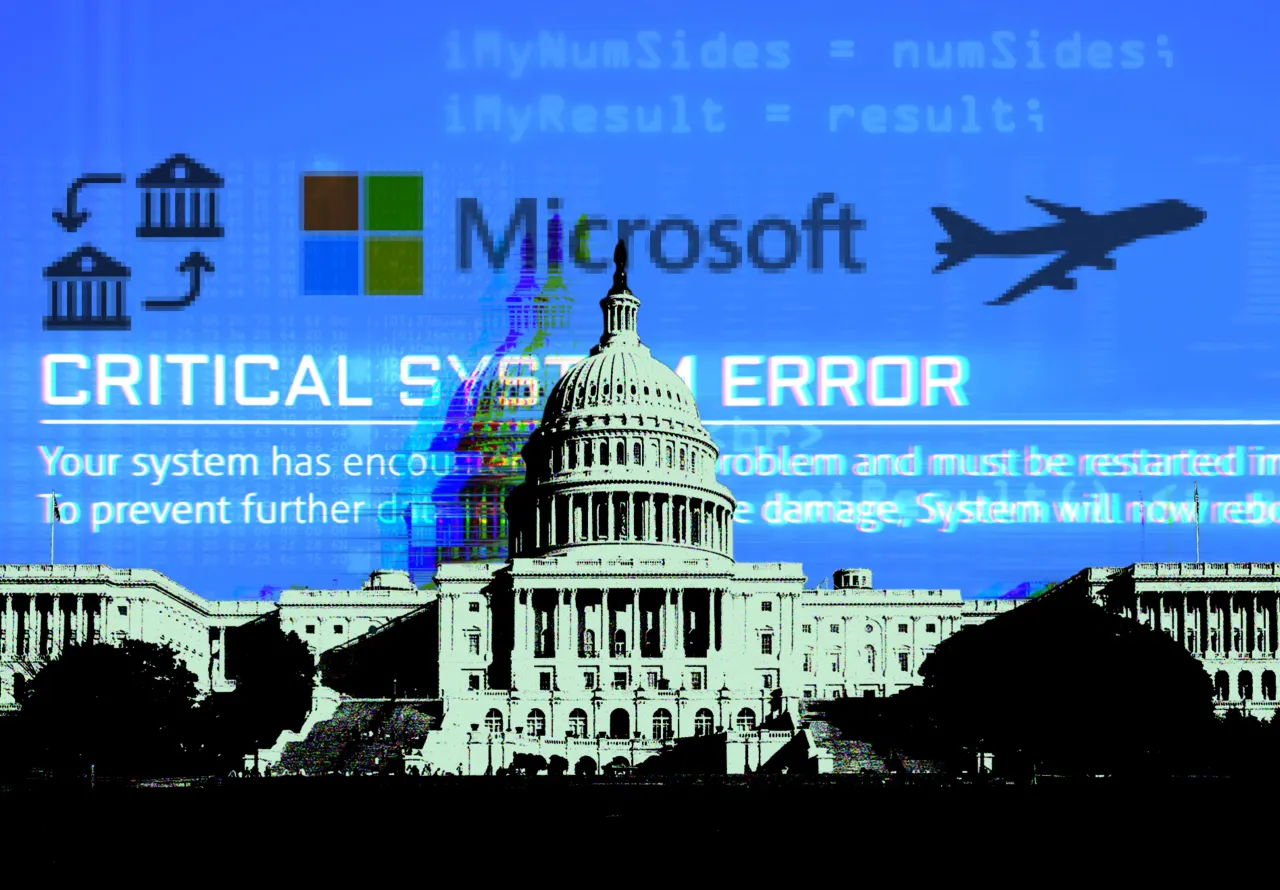
Vice President J.D. Vance withdrew from a Wednesday event to join White House meetings on a week-long run of technology failures across the U.S., with Congress and the Trump administration both rushing to respond. For executives, the signal is that Washington now treats digital infrastructure failure as a systemic risk, which puts disclosure timing, vendor concentration, and resilience planning squarely on the board agenda.
Vice President J.D. Vance pulled out of a scheduled event on Wednesday to join meetings on a problem the White House did not plan for: a run of technology failures that have hit the United States over the past week. The Trump administration and Congress are both rushing to address the outages, according to MarketWatch. That is roughly the whole of what is publicly confirmed. No list of affected systems, no confirmed cause, no named culprit, no timeline for answers. Which is itself the story. When a response reaches the vice president's calendar, the people running it have already decided this is bigger than one company's bad afternoon.
Vance's schedule is a blunt instrument, and it is rarely swung by accident. Withdrawing from an event on a Wednesday means someone concluded the meetings could not wait until Thursday. In Washington, that substitution is a tell: it usually means an issue has moved from an agency's inbox to the White House's, and that the room now includes officials who do not normally spend their days talking about servers, software, and uptime. Congress moving in parallel matters just as much, because Congress holds the money, the hearings, and the subpoenas. A week of failures is enough to turn a technical incident into a political one, and political incidents develop their own momentum.
For anyone who has not lived through an incident response, here is how these cascades typically work. Modern digital infrastructure is a stack of dependencies, and that stack is far more concentrated than it looks from the outside. A single vendor, a single expired certificate, a single bad configuration push, a single cloud region can knock out services across industries that have nothing to do with each other. Historically, the failures that hurt most are not the sophisticated attacks. They are the mundane ones: a routine update, a mistyped setting, a backup that was never tested. The damage comes less from the flaw itself than from how many systems quietly depend on the thing that broke.
The template is well established. In July 2024, a faulty software update from cybersecurity firm CrowdStrike cascaded into grounded flights, stalled hospital systems, and dead retail terminals around the world. That was not a hack. It was an update. The lesson policymakers drew from it, and the reason 'resilience' became a boardroom word, is that concentration risk is not an abstraction. It is a line item waiting to become a loss. A week of separate failures, if that is what these turn out to be, would raise a harder question than any single outage: whether the country's digital plumbing has a systemic problem rather than a run of unlucky ones.
The regulatory map is genuinely messy, which is part of why the response looks like a scramble. The United States does not have one tech regulator. Oversight is split across sector agencies, and each one sees a different slice of the same failure. That fragmentation historically slows diagnosis, muddies accountability, and complicates any coordinated fix. It also means the first clear answers may come from the companies involved rather than from Washington, because companies know their own systems faster than any agency can subpoena them.
For public companies, the clock is already running. Since 2023, U.S. listed companies have generally been required to disclose material cybersecurity incidents within four business days under SEC rules. That means the legal question, is this material to us, arrives before the technical question has an answer. Boards that have not rehearsed that sequence tend to discover their disclosure process in real time, under pressure, with lawyers billing hourly. The same dynamic now applies to private companies with institutional investors, lenders, or enterprise customers who write security and uptime guarantees into contracts.
The second-order effects are where this gets expensive. Insurers reprice after visible failures. Customers start asking harder questions in contract negotiations. Procurement teams add resilience requirements to vendor reviews. Directors ask for a dependency map that, in most organizations, has never been drawn. None of that shows up in the headline number, and all of it shows up in the budget.
The strategic stakes are simple to state and hard to act on. The outage is the symptom; the dependency map is the diagnosis. Vance giving up a Wednesday is a signal that Washington has decided the diagnosis is now its problem too. For executives, the useful question is not whether their own systems failed this week. It is whether they could name, right now, the three vendors whose failure would take them down, and what they would do in the first hour.
This story's Key Insights and Take-aways are locked.
Create a free account to unlock Executive Actions for one credit.
Register to UnlockAlways free for Executives Club members. Join the Club
More in Politics
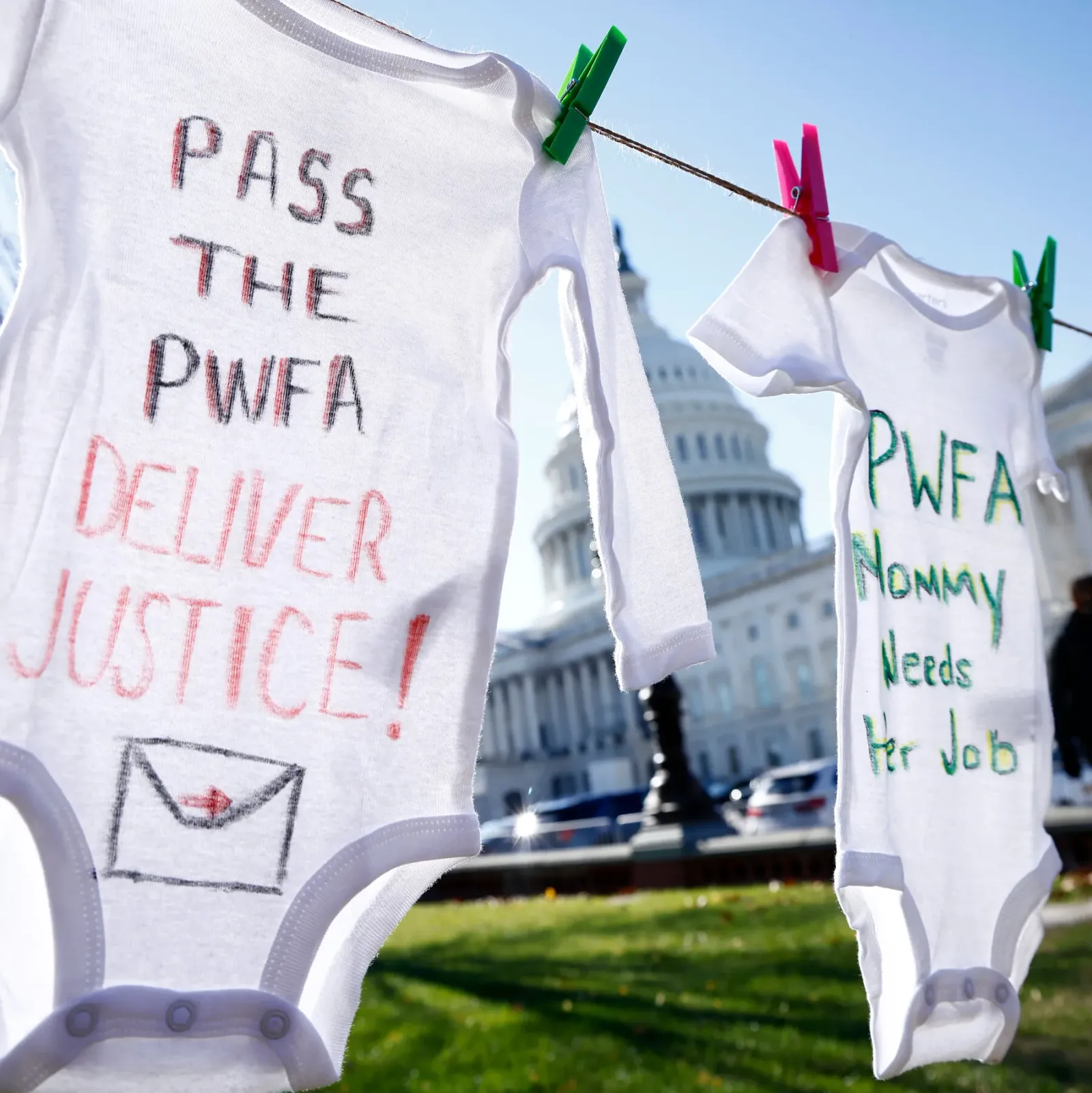
Fifth Circuit Kills Pregnant Workers' Law Over Pandemic Proxy Votes
A procedural ruling, not a policy one, has blocked a federal pregnancy-accommodation law and put every pandemic-era statute in the crosshairs ahead of an expected Supreme Court appeal.
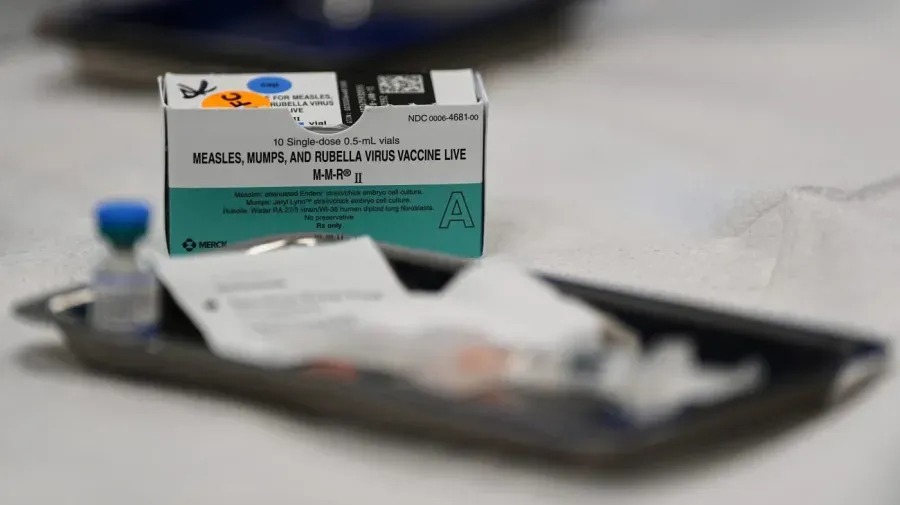
Measles kills a Virginia child under 5, the state's first death of 2026
Virginia's health department confirmed the death but withheld the child's vaccination status, leaving schools, clinics and employers to plan around the one detail that would explain the most.
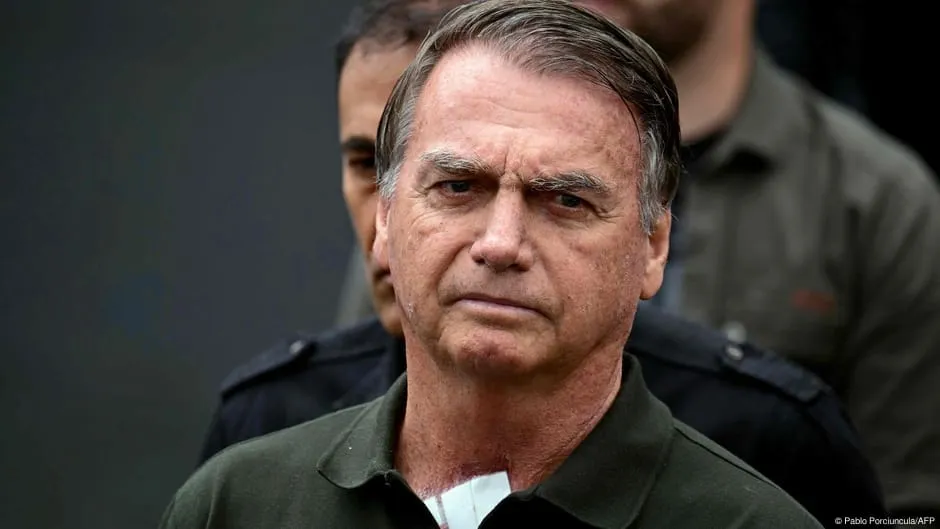
Former Brazilian President Bolsonaro Hospitalized with Intestinal Obstruction
The health status of the former far-right leader raises immediate questions about political stability and the trajectory of Brazil's conservative movement.