

Visa Denials Bench Xpeng, Chinese Robot Makers Days Before CES
A trade-show snub is really a policy signal: robotics is now the front line of US-China tech competition, and the bill lands on the companies building it.
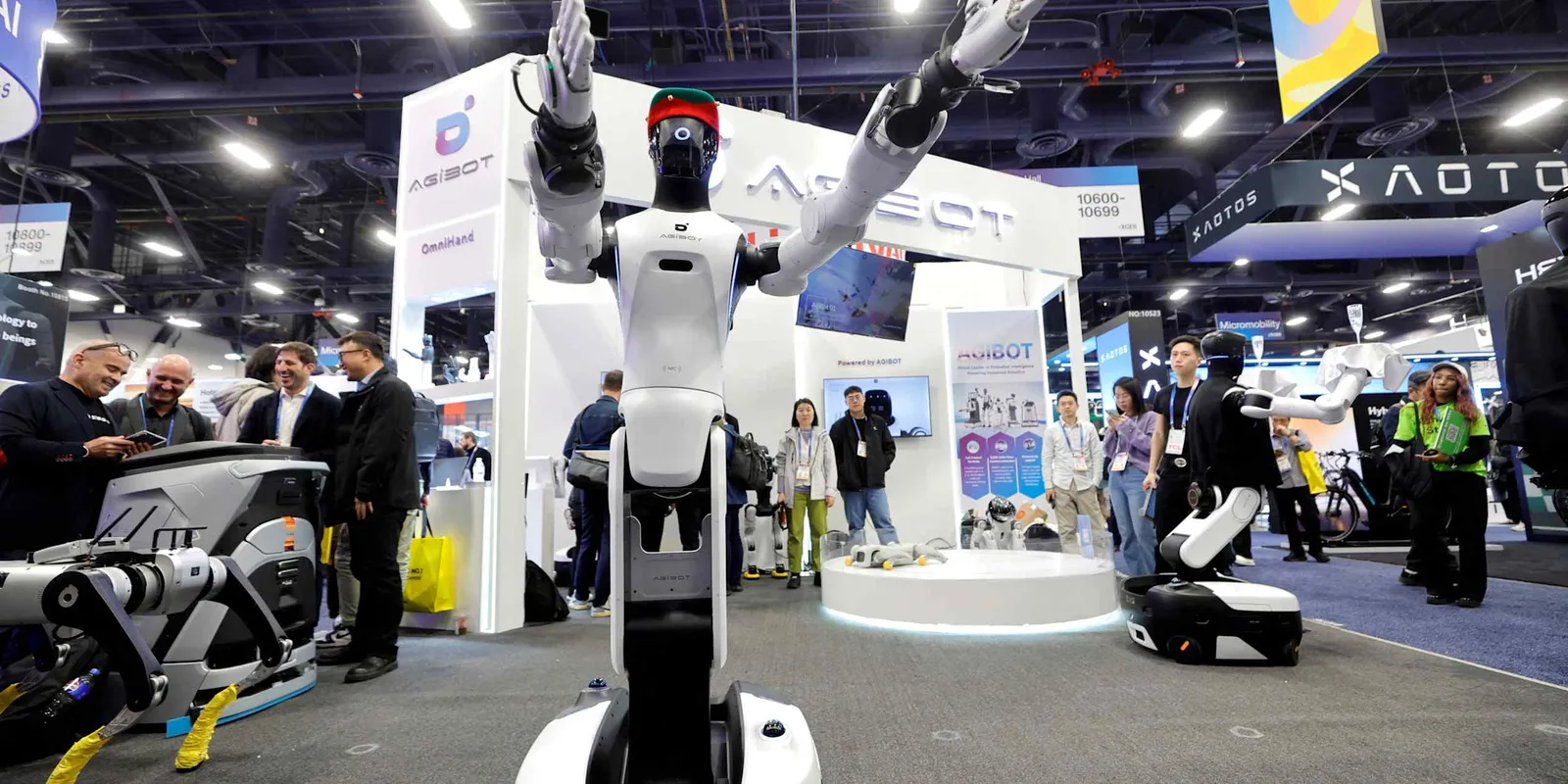
Xpeng and other Chinese robot makers were hit by US visa denials ahead of CES, Nikkei Asia reports, keeping teams away from the industry's biggest global showcase. For founders and boards, the episode reframes travel and talent mobility as a supply-chain risk that deserves the same planning as chips and capital.
Xpeng, the Chinese electric-vehicle maker that has pushed hard into robotics, was among the Chinese robot makers whose people were denied US visas ahead of CES, according to Nikkei Asia. The denials landed before the industry's biggest annual showcase in Las Vegas, the week each January when buyers, distributors, investors, and press from around the world walk the floor to see what is actually shipping. For a robotics company, missing that week is not a PR problem. It is a pipeline problem.
The report names Xpeng and points to other Chinese robot makers, but does not spell out how many companies or how many people were blocked, or which post made the call. That silence is part of the story. Visa refusals are rarely announced; they arrive as a form and a shrug, and the company on the receiving end usually has no appeal worth filing and no press release worth sending. What is left is a booth with nobody behind it and a calendar of meetings that never happen.
Why robotics, and why now. The category has moved from novelty to serious capital in a few short years. Humanoid and service robots have become the most-watched corner of hardware, and Chinese manufacturers have been aggressive on cost, iteration speed, and supply chain depth. CES is where that reputation gets converted into orders, partnerships, and press coverage. A team that cannot get into the country cannot close any of it, and a competitor standing three booths away will happily take the meeting.
The mechanics matter. US consular officers have broad discretion to refuse a visa application, and applicants typically learn the outcome without a detailed explanation. The standard is not a criminal one; it is a judgment about intent, ties, and risk. When the applicant pool is an engineering team heading to a trade show, that judgment call becomes a policy instrument, whether or not anyone labels it that way. No official has to announce a crackdown for one to be felt.
The backdrop is a relationship that has been tightening for years. Washington has steadily restricted the flow of advanced semiconductors, capital, and data between the two countries, and scrutiny of Chinese hardware in US markets has intensified. Visas are simply another chokepoint, and a cheap one to operate. You do not need an export control rule, a congressional vote, or a court fight. You need a consular officer and a stamp.
The second-order effects are where this gets expensive. Trade shows are not just marketing; they are where standards get argued, where supply agreements get hand-shaken, and where engineers from rival firms compare notes in a hallway. Cut a country's teams out of that room and you do not just slow their sales. You slow the informal coordination the whole industry depends on. The information asymmetry compounds too: the companies that show up learn what buyers want next, and the ones that stay home find out a year later, from someone else's press release. You also invite reciprocity. US executives who travel to Chinese conferences, factories, and partner summits are the obvious candidates for a mirror-image response, and they know it.
For founders and boards, the practical lesson is that people movement is now a risk category, not an administrative chore. Teams that matter to a launch should be built with travel redundancy in mind: more than one passport in the room, a remote demo plan that does not look like an apology, and a conference calendar that does not hinge on a single country. Companies that treat visa exposure the way they treat chip supply exposure will be the ones that keep shipping on schedule.
The bigger stake is simple. Robotics is where artificial intelligence stops being text on a screen and starts moving through the physical world. The countries and companies that can move their engineers, their prototypes, and their ideas across borders fastest will set the pace for everyone else. A denied visa is a small thing. A pattern of them is a strategy, and the industry on the receiving end should plan accordingly.
This story's Key Insights and Take-aways are locked.
Create a free account to unlock Executive Actions for one credit.
Register to UnlockAlways free for Executives Club members. Join the Club
More in Business

S&P 500 Enters Correction, Down 10% From Its High on AI Worries
The index's slide past the 10 percent line is a symbolic verdict on investor mood, and the AI trade that powered the rally is now the thing testing it.

Dow and S&P 500 enter correction as Nasdaq logs worst week since 2020
All 11 S&P 500 sectors fell more than 1% in the same week for the first time since April 2025, a breadth signal that matters more than any single index level.

Chip stocks lose $2.3 trillion in a week, worst run in 25 years
A $2.3 trillion weekly wipeout in semiconductors is forcing every board with an AI story to ask whether it owns a thesis or just a crowded trade.