
Voyager 1 is a full light-day from Earth, and NASA is weighing what's next
The farthest human-made object now sits 24 light-hours out, where a command takes a full day to arrive and the reply takes another, and the team that built it is deciding how to spend its last watts.
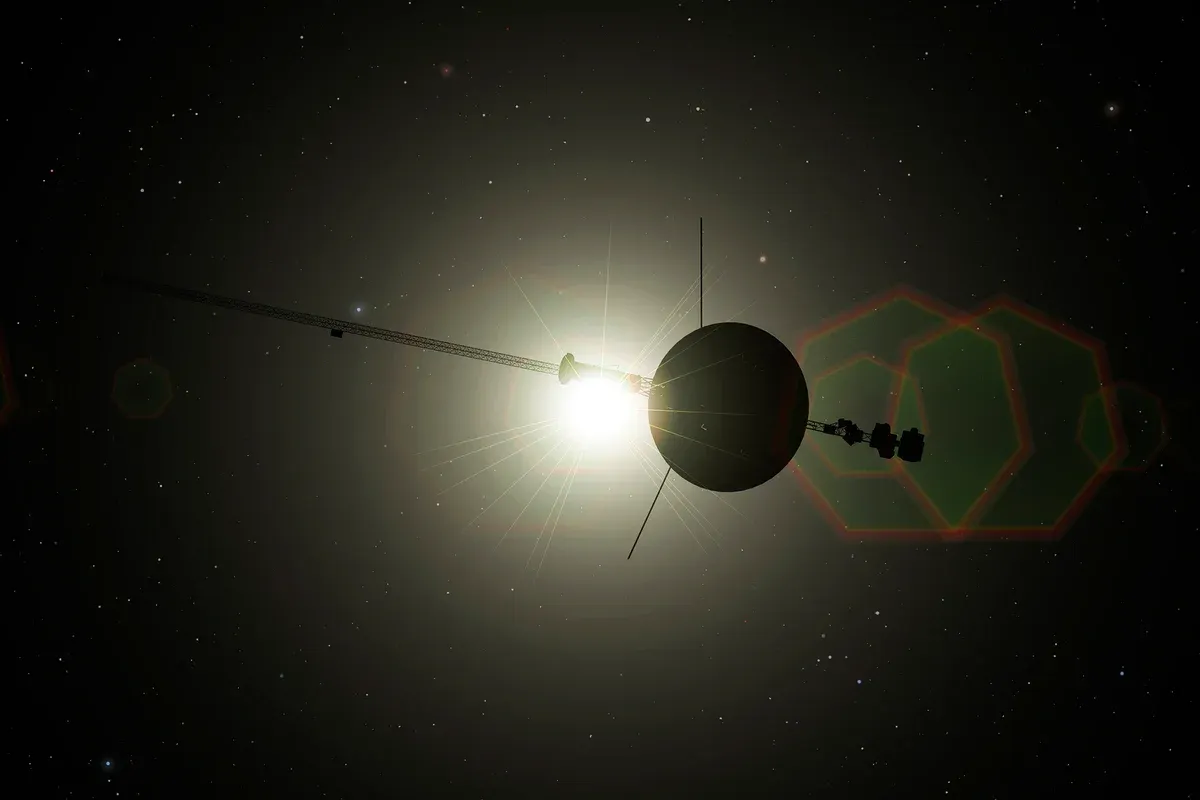
NASA scientists gathered Thursday to discuss Voyager 1's past, present and future as the 1977 probe reached roughly a light-day from Earth, the farthest any human-made object has traveled. For decision-makers, the milestone is a case study in running a critical asset with a two-day command lag, a shrinking power supply and no possibility of repair.
NASA scientists gathered on Thursday to talk about Voyager 1's past, present and future, and the timing is not sentimental. The spacecraft is now roughly a light-day from Earth, meaning the distance light itself covers in 24 hours, about 25.9 billion kilometers or 16.1 billion miles. It is the farthest human-made object in existence, and it just crossed a threshold that turns every conversation about it into a logistics problem.
A light-day is not a poetic measurement. It is an operational one. Radio signals travel at light speed, so a command sent from NASA's Deep Space Network this morning arrives at the probe about 24 hours later. The spacecraft's answer takes another day to come back. Every decision about Voyager 1 is therefore made against a two-day-old picture of the machine, and any mistake takes two days to detect and two more to correct. Engineers call this one-way light time. For Voyager 1, it has now stretched to a full day.
Voyager 1 launched in 1977, a few weeks after its twin, Voyager 2. The pair were built to exploit a rare alignment of the outer planets that let them swing past Jupiter and Saturn, with Voyager 2 going on to Uranus and Neptune. Voyager 1 took the closer look at Jupiter's moon Io and Saturn's moon Titan, then kept going. In 2012 it crossed the heliopause, the boundary where the sun's solar wind gives way to the interstellar medium, becoming the first spacecraft to enter interstellar space. Voyager 2 followed in 2018. Both are still transmitting.
What keeps them alive is a radioisotope thermoelectric generator, an RTG, which converts the heat of decaying plutonium-238 into electricity. No moving parts, no solar panels, no refueling. But the plutonium decays on a fixed clock, and the RTG loses roughly four watts of output per year. NASA has spent decades turning things off to keep the rest running: heaters first, then instruments, one by one. The question the team is weighing now is which systems get the remaining watts, and for how long.
The margin for error is close to zero, and the mission has already had a scare. In late 2023 Voyager 1 began sending back garbled data, a stream of ones and zeros that made no sense. It took engineers until spring 2024 to trace the problem to a single failed memory chip and rewrite the code to route around it. There is no repair mission. There is no spare part. There is a 1970s spacecraft, a set of antennas on Earth, and a team that has to solve problems by remote control across a day of light.
For context, Voyager is one of the cheapest high-value science returns in NASA's portfolio. The two spacecraft were built and launched for a fraction of what a single modern flagship mission costs, and they have been producing data for more than four decades. What they measure now, plasma density, magnetic fields, cosmic rays, is the only direct sampling of the interstellar medium anyone has. Every other data point about that region comes from remote sensing or theory.
There is a quieter issue on the table too. The engineers who built and flew these spacecraft are retiring, and the institutional knowledge of how to operate a 48-year-old machine does not transfer through documentation alone. NASA has historically relied on a small group of long-tenured specialists for Voyager operations. Thursday's discussion of the mission's future is, in part, a discussion about succession.
The light-day milestone also sharpens a bigger question: what comes after Voyager? NASA has studied concepts for a dedicated interstellar probe that would travel faster and reach the heliosphere's edge sooner, but nothing is funded at the scale of a flagship. Meanwhile, Voyager 1 keeps moving at about 17 kilometers per second, roughly 3.6 astronomical units a year. It will pass one light-day and keep going. In about 300 years it will reach the inner edge of the Oort Cloud, and in roughly 30,000 years it will exit it. The spacecraft will outlast everyone currently working on it.
For the people in the room on Thursday, the practical question is narrower: how do you spend a shrinking power budget on a machine you cannot touch, to answer questions no other instrument can? Every instrument kept alive is a trade against another. Every additional year of operation is bought with a decision made now. That is the strange arithmetic of a mission that has outlived its own expectations, and it is why a light-day is not just a distance. It is a deadline.
This story's Key Insights and Take-aways are locked.
Create a free account to unlock Executive Actions for one credit.
Register to UnlockAlways free for Executives Club members. Join the Club
More in Science
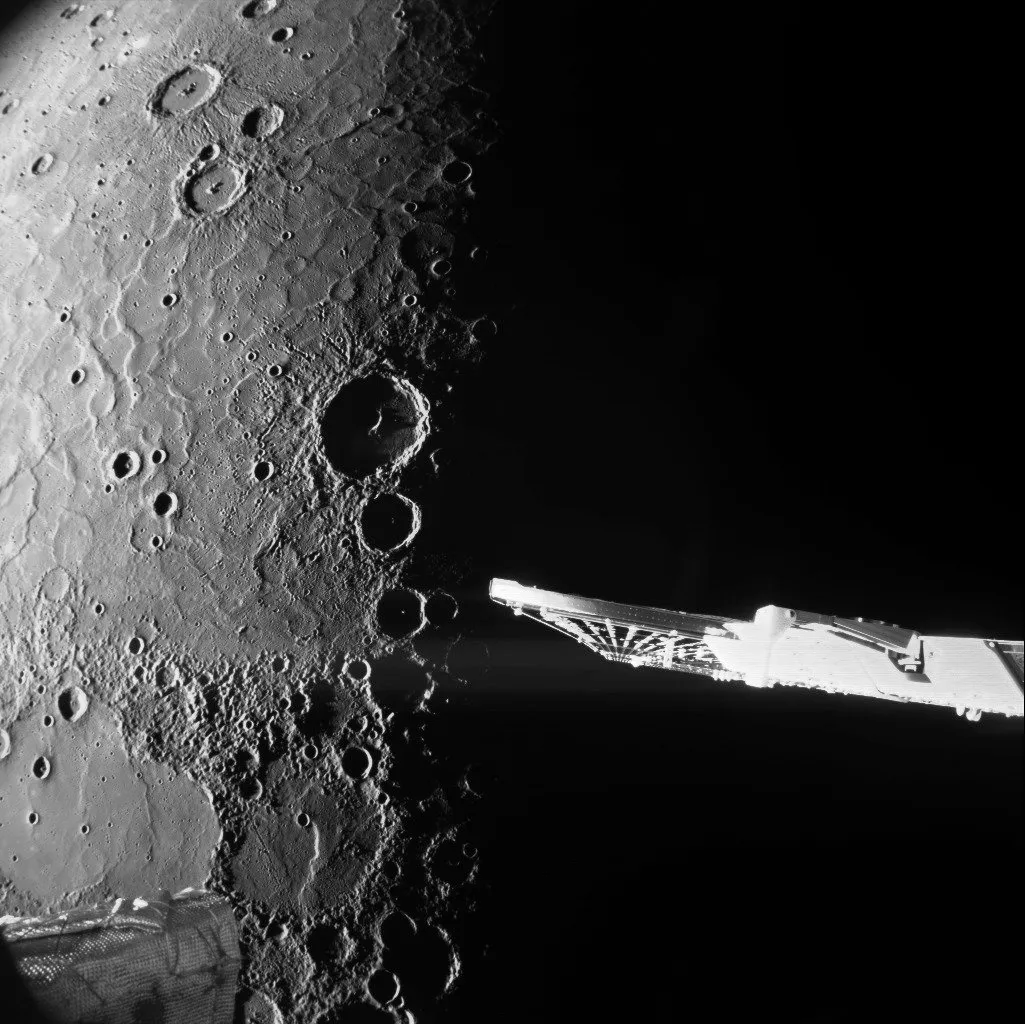
Europe and Japan park $2B twin probes at Mercury after eight years
BepiColombo's arrival ends an eight-year, $2 billion cruise and hands Europe and Japan a multi-year data edge on the solar system's least-studied planet.
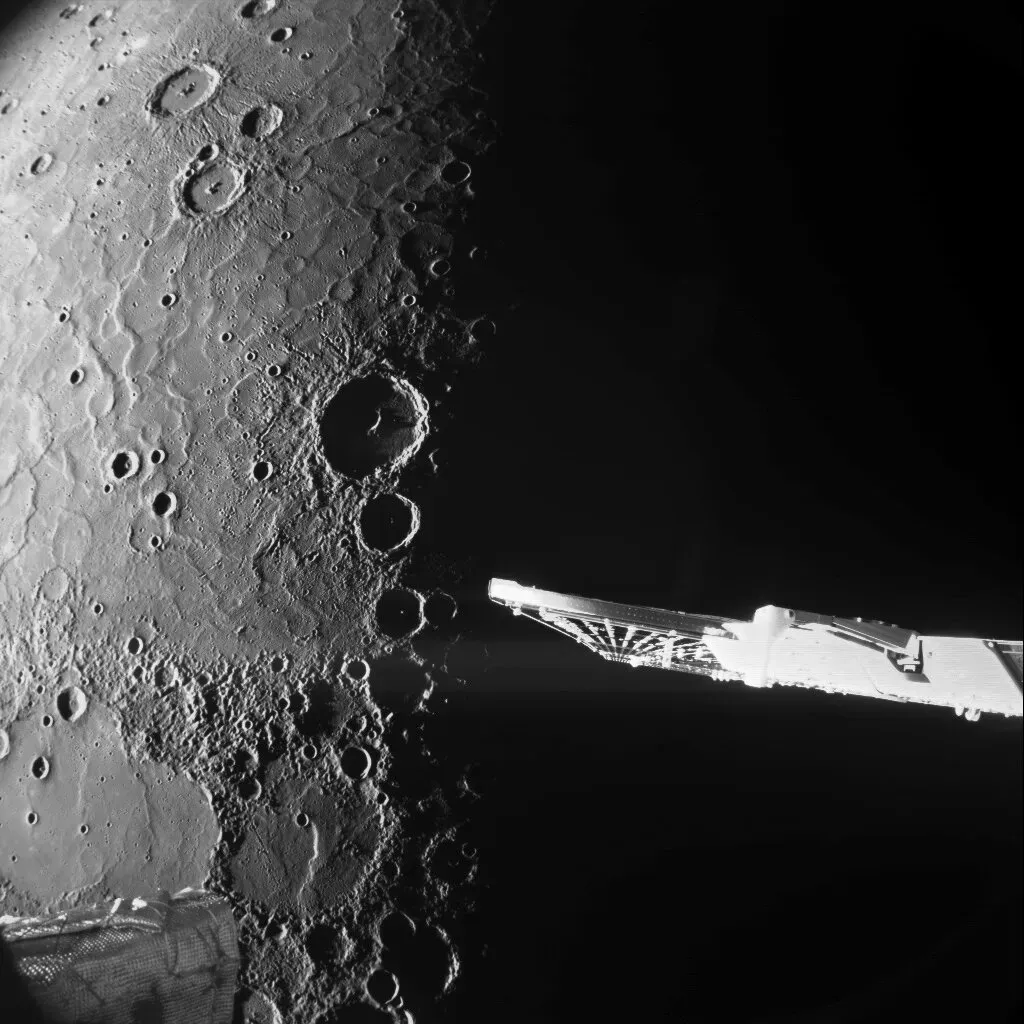
BepiColombo becomes only the second spacecraft ever to orbit Mercury
The international mission reaches the planet closest to the sun, giving scientists a rare second set of eyes and giving operators a case study in long-horizon R&D.

COP31 stalls as countries weigh forcing a Saudi showdown on fossil fuels
Two weeks of UN climate talks in Turkey have overrun without a deal, and the decision now facing governments will shape energy costs, transition timelines and capital allocation for years.