
WIRED Investigation: Gig Workers Reach Nursing Homes With Little to No Onboarding
Inspection reports reviewed by WIRED and Proof News tie thin or nonexistent onboarding for gig caregivers to dangerous mistakes and nurses stretched past their limits.
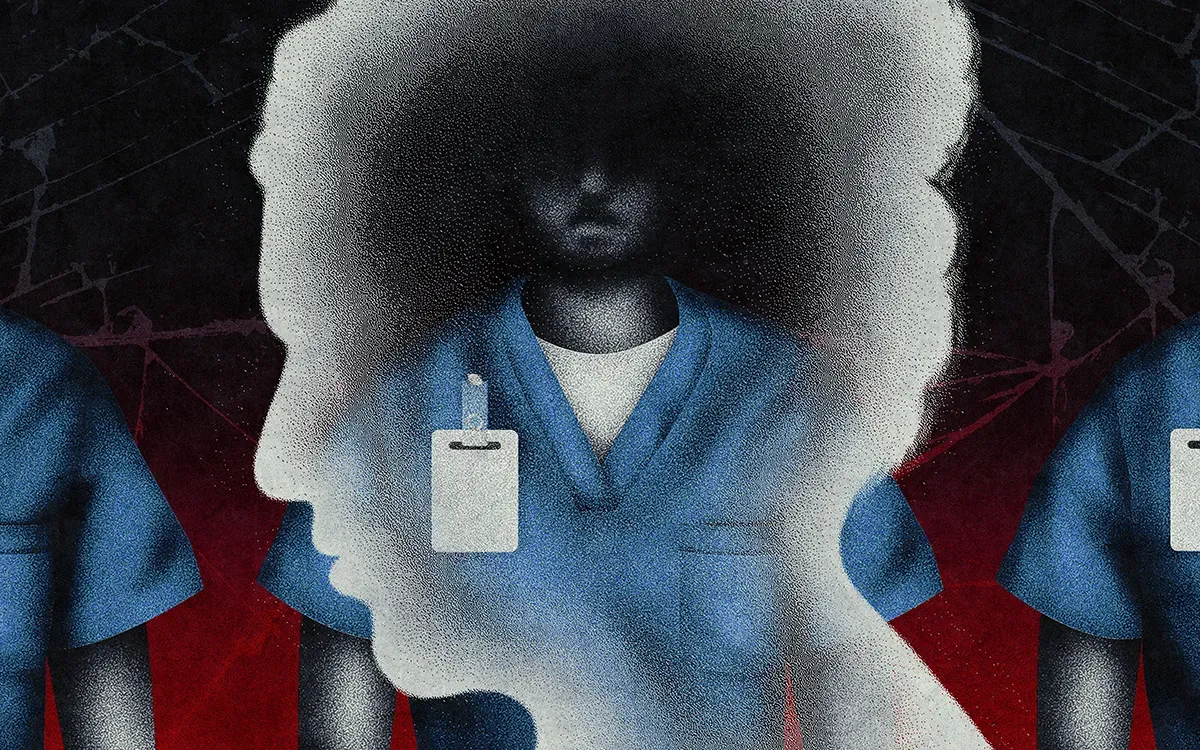
A WIRED and Proof News investigation built on inspection reports from elder care facilities found that gig workers are arriving in nursing homes with little to no onboarding, producing dangerous mistakes and overwhelmed nurses. For operators, boards, and investors with exposure to health care staffing, the finding reframes cheap, flexible per-diem coverage as an unmeasured safety and liability risk rather than a pure scheduling fix.
A WIRED and Proof News investigation has found that gig workers are showing up inside nursing homes with little to no onboarding, and that the gap is producing dangerous mistakes and nurses pushed past their limits. The reporting leans on inspection reports filed on elder care facilities, the paper trail regulators and lawyers reach for when something goes wrong inside a building. What those reports describe is not a handful of isolated slip-ups. It is a staffing model that has migrated from food delivery and ride-hailing into one of the most regulated, highest-stakes care settings there is, where a skipped orientation can mean a missed medication, a fall, an infection, or worse.
The model works like this: rather than hiring full-time certified nursing assistants and licensed nurses, a facility plugs holes in its schedule through per-diem and marketplace-style staffing, where workers accept shifts across multiple buildings, often on short notice. Historically, nursing homes have used agency and registry staff to cover vacations, leaves, and seasonal spikes. What is newer is the scale and the speed. App-mediated shifts, limited orientation, and workers who may arrive at a building they have never set foot in, to care for residents whose names, conditions, and care plans they do not know.
Onboarding in a nursing home is not paperwork theater. A new aide typically needs to learn the building's layout and emergency exits, how medication passes are handled, how to transfer a resident safely without injuring either of them, how to document what they observe, and which residents need what level of supervision. Nurses need to know the facility's protocols, its pharmacy workflow, and who to escalate to at 3am. Strip that away and the failure modes are predictable: medication errors, falls, pressure injuries, missed changes in condition, and staff who cannot tell whether a resident is declining or simply having a bad afternoon.
Inspection reports matter because they are the closest thing to ground truth. They are generated by surveyors who walk the building, interview staff and residents, and record deficiencies against standards. They are also discoverable. When a family sues or a regulator escalates, the reports are among the first documents pulled. The WIRED and Proof News finding is that the reports themselves describe facilities running on workers who were never properly brought into the building's routines, with the burden landing on the nurses left to supervise people they did not hire and did not train.
Regulation has not caught up. Federal rules have long required nurse aides to complete a minimum number of training hours and pass a competency evaluation before working with residents, and facilities are generally expected to ensure staff are competent for the tasks they perform. But enforcement is largely retrospective and complaint-driven, shaped by surveys that happen periodically rather than continuously. A staffing marketplace can put a worker into a building on a Tuesday night, and there may be no inspection for months. By the time a deficiency is written, the shift is long over.
The economics explain the persistence. Facilities are squeezed between Medicaid reimbursement rates that historically lag the actual cost of care and a labor market where full-time aides and nurses are hard to hire and expensive to keep. Per-diem coverage looks cheaper and more flexible on a spreadsheet, and it shifts a chunk of the scheduling risk off the operator. But the risk does not disappear. It moves to residents, to the nurses on duty, and eventually to the facility's liability insurance, its survey history, and its reputation in a market where families choose buildings largely on word of mouth.
That is the part boards and investors should sit with. Skilled nursing is a business where a single bad outcome can trigger a state investigation, a wrongful death claim, and a local news cycle, and where the quality of the workforce is the product. Operators that lean on gig labor without a hard onboarding standard are accumulating a tail risk that does not show up in occupancy rates or EBITDA until it does. Staffing composition tends to surface later in claims, survey results, and financing conversations. So do the nurses themselves, who are the ones absorbing the supervision load and deciding how long they are willing to stay.
The practical question is not whether gig-style staffing belongs in elder care at all. It is whether the onboarding bar is set, documented, and enforced. A facility can use per-diem workers and still require a documented orientation, a competency check, and a buddy shift before anyone touches a resident. The investigation's warning is that plenty are not doing that, and that the people paying for it are the ones least able to advocate for themselves. For executives with exposure to health care services, staffing, insurance, or senior housing, that is a risk line worth mapping now, before the next inspection report lands.
This story's Key Insights and Take-aways are locked.
Create a free account to unlock Executive Actions for one credit.
Register to UnlockAlways free for Executives Club members. Join the Club
More in Technology

Anthropic mathematician claims Claude helped crack the Riemann hypothesis
If the proof holds, AI has toppled math's most famous open problem; if it does not, it is a case study in announcing breakthroughs before anyone verifies them.

AI's $4 Trillion Wipeout Erases Nasdaq's Gains for the Year
A brutal week took roughly $4 trillion off the AI sector and left the Nasdaq flat for the year, and the damage ran the full length of the supply chain.

Anthropic mathematician says AI proved the Riemann hypothesis. Verification will take time.
A single unverified claim from inside Anthropic now sits against more than 160 years of open mathematics, and the gap between asserting a proof and surviving peer review is the entire story.