
X-Men 2 editor John Ottman says a 10-year-old saved the 2003 cut
A producer-level decision on edits, not effects, and it came from an unexpected quality-control line.
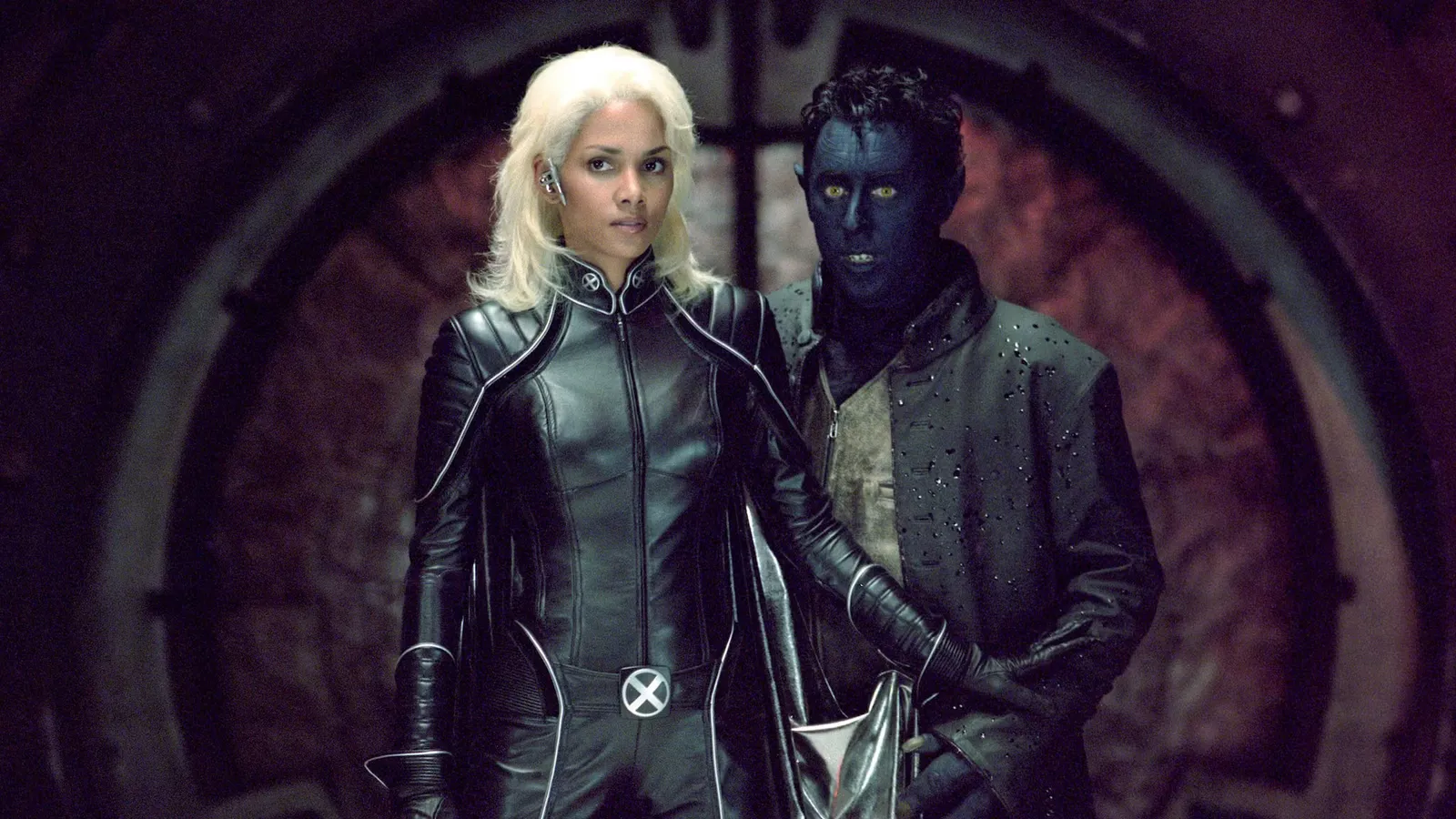
X-Men 2 editor John Ottman shared that a 10-year-old girl “saved” the 2003 Marvel movie by making sure it did not go through certain specific edits. For decision-makers, the story is a case study in how small gatekeeping moments can change a major IP’s final product.
X-Men 2 editor John Ottman revealed that the 2003 Marvel movie was “saved” by a 10-year-old girl, who ensured it did not go through some specific edits. That detail is more than a fun trivia flex. It is a reminder that the final version of a blockbuster often gets decided in the boring places: review notes, what someone is willing to push back on, and which changes survive the last round.
Ottman’s point is simple. The movie “wouldn’t have turned out the way it did” without that intervention. In other words, this was not just a kid loving superheroes. It was a real gatekeeping moment in the editing process, where the wrong revision could have nudged the film into a noticeably different outcome. And because this is X-Men 2, a high-profile entry in a franchise built on consistency, tone, and audience trust, those last-mile decisions are the kind that ripple outward.
To understand why this kind of intervention matters, look at how film and IP quality control works at scale. Big studios and Marvel-style franchises are not just distributing stories. They are distributing brand expectations. Editing changes can alter pacing, character emphasis, and the clarity of plot beats. Those factors may sound intangible, but they show up in audience reception, word of mouth, and downstream franchise economics. A “fix” that seems harmless inside a cutting room can shift the experience enough to change what viewers remember.
Now add the incentive structure. In production environments, teams often optimize for process compliance and risk reduction. Edits can be requested to address concerns from stakeholders, test screening reactions, or internal preferences. When editors say a certain change should not happen, they are defending more than aesthetics. They are defending creative intent and protecting the movie against unnecessary drift. The fact that a 10-year-old was able to stop the edits Ottman referenced signals that the decision hinged on clarity and impact, not insider reasoning.
There is also a second-order governance angle. Even though film editing does not face the same formal regulatory approvals as, say, pharmaceuticals or financial services, it still has structured oversight. Studios manage release risk through review pipelines. When those pipelines allow the wrong feedback to pass, you get the problem any board or executive worries about: quality slips because the process fails to filter effectively. Ottman’s story suggests a different kind of filter, one not powered by seniority or titles. A young viewer, presumably outside the internal echo chamber, acted as an integrity checkpoint.
From a strategy standpoint, this matters for anyone managing large content portfolios, whether you are a studio executive, a streaming platform operator, or a creative entrepreneur. The question is not “could a kid save a movie.” The real question is “what in our process allows preventable harm to slip through?” When editors rely on stakeholder notes, legal considerations, or “safer” versions, they may unintentionally trade distinctiveness for blandness. And blandness is expensive. In franchise land, one tonal wobble can lead to heavier brand positioning work later.
For boards and senior operators, the takeaway is uncomfortable in a productive way. The most consequential interventions can be the least credentialed. If Ottman is right that X-Men 2 “wouldn’t have turned out the way it did” without a 10-year-old stopping certain edits, then quality control is not simply a matter of having experts. It is a matter of giving the right ideas a real path to stopping bad changes. The strategic stakes extend beyond one film. In a world where executives are measured on delivery speed and release performance, you still need mechanisms to ensure the final output is coherent, compelling, and true to what the audience came for.
This story's Key Insights and Take-aways are locked.
Create a free account to unlock Executive Actions for one credit.
Register to UnlockAlways free for Executives Club members. Join the Club
More in Entertainment

Russell Brand's accuser 'bewildered and confused' as he denies 7 sex charges
The criminal case against the comedian is a live test of how media companies manage talent risk when serious allegations go public.

'It's a Magic Trick': Ballet Experts Say Rosalía's SNL Pose Is Impossible
Three ballet experts tell Rolling Stone Rosalía's gravity-defying SNL stillness shouldn't be possible - and why the debate is now part of the show.

Activision CMO: GTA 6 Will Boost Call of Duty, Not Bury It
Activision's top marketer says Rockstar's blockbuster will drive players back to consoles and into Modern Warfare 4, even as the company admits its recent strategy failed.