
YouTube faces a $3 billion tab as school districts' addiction lawsuits grow
A reported $3 billion figure turns teen addiction claims into a balance-sheet problem, and every engagement-driven platform should read it as a preview.
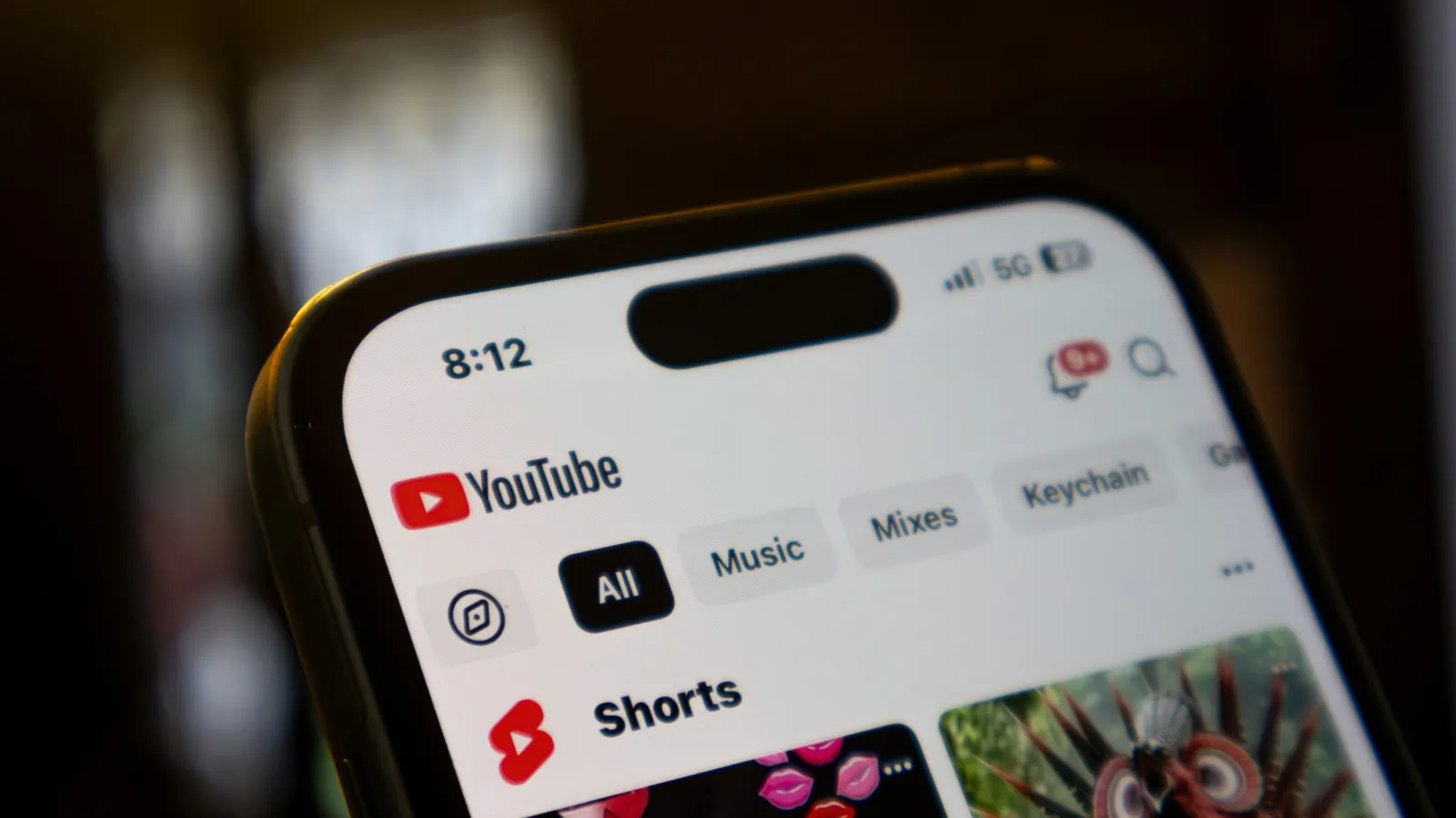
YouTube is facing a growing set of lawsuits alleging its platform is designed to be addictive and has harmed teens, and Engadget reports it could pay $3 billion to settle with school districts. For decision-makers, that number converts a reputational debate into a quantifiable liability that peers and boards will now have to model.
Three billion dollars. That is the figure Engadget reports YouTube, the Alphabet-owned video giant, could pay to settle a growing stack of lawsuits alleging its platform is designed to be addictive and has harmed teenagers. The suits are being brought with school districts, which turns a familiar argument about screen time into something with a balance sheet attached. The reporting describes a possible settlement, not a signed one, and no deal has been confirmed. But the number itself is the story: youth-safety litigation just got a price tag, and it is a big one.
Why school districts change the math. A single parent suing a platform is one claim with one set of damages. A school district suing is an institution with budgets, attendance records, counseling costs, and a public mandate to protect students, and it can argue the harm shows up in its own ledger. Districts also tend to move in packs. When many of them file similar claims, the aggregate exposure climbs fast, and the legal question shifts from whether a platform is bad for kids to who pays for the consequences. That is how a category of litigation that once looked like a public-relations problem starts to look like a line item.
The core allegation is about design, not content. Plaintiffs argue the product is built to maximize time spent watching, and that the design choices, rather than any single video, cause the harm. That framing matters because it sidesteps the usual defense that a platform is merely a conduit for what users post. For years, platforms have leaned on legal protections that historically shield them from liability over third-party content, plus First Amendment arguments about editorial discretion. Design-based claims are an attempt to route around both. Courts have not uniformly agreed, and outcomes in this category have varied, which is exactly why a reported settlement number is worth watching closely.
A settlement is not a verdict, and it typically arrives without an admission of wrongdoing. But it does something else that is arguably more consequential: it sets a benchmark. Once one platform is reported to be discussing a figure in the billions, every plaintiffs' lawyer in the category has a reference point, and every board has a new input for its risk models. Peers facing similar claims suddenly have a comparable, which is a gift to the other side and a headache for general counsels. The first number in a litigation wave is rarely the last one.
Here is the uncomfortable part. Engagement is the engine. The recommendation systems that keep people watching are the same systems that generate watch time, which generates ad inventory, which generates revenue. Any settlement that comes with design commitments would touch that core product loop, and design commitments are the outcome plaintiffs in this category have generally pushed for. That is why these cases are harder to settle than a patent dispute. The remedy is not just a check. It is a change to how the product works, and that change ripples through engineering, product, and ad sales at once.
Litigation is also running ahead of regulation, and often shaping it. Lawmakers and regulators have spent years debating age verification, kids' privacy rules, and app-store accountability, with limited agreement on what to actually pass. A multi-billion-dollar settlement would hand those debates a data point and a template. Historically, when private litigation puts a cost on a harm, legislators cite it and compliance teams build around it. Expect the same dynamic here, with the added wrinkle that any product changes agreed to in a settlement could become the de facto standard regulators point to later.
Watch three things from here. First, whether the reported figure holds or moves, since early settlement numbers often do. Second, whether other platforms get pulled into the same frame, which would turn a YouTube story into an industry story. Third, whether any agreement includes product changes, because that is the part competitors would have to match or explain away. For public companies, there is also a disclosure question: material litigation risk belongs in filings, and boards that have not asked management for a quantified view of this exposure are already behind the curve.
The broader lesson for anyone running a consumer platform is that the cost of engagement is no longer just churn and ad load. It is legal. Companies that get ahead of this will treat youth safety as a product requirement with an owner, a budget, and a deadline, not a communications problem with a talking point. The ones that do not will keep discovering the same thing: the cheapest time to fix a design was years ago, and the second cheapest time is before the settlement number gets reported.
This story's Key Insights and Take-aways are locked.
Create a free account to unlock Executive Actions for one credit.
Register to UnlockAlways free for Executives Club members. Join the Club
More in Technology

Anthropic mathematician claims Claude helped crack the Riemann hypothesis
If the proof holds, AI has toppled math's most famous open problem; if it does not, it is a case study in announcing breakthroughs before anyone verifies them.

AI's $4 Trillion Wipeout Erases Nasdaq's Gains for the Year
A brutal week took roughly $4 trillion off the AI sector and left the Nasdaq flat for the year, and the damage ran the full length of the supply chain.

Anthropic mathematician says AI proved the Riemann hypothesis. Verification will take time.
A single unverified claim from inside Anthropic now sits against more than 160 years of open mathematics, and the gap between asserting a proof and surviving peer review is the entire story.