

Orcas smash fish to bits, and researchers say it may be for fun or feeding
A new look at killer-whale behavior suggests it could be both a food strategy and pure amusement.
By Hessa Al-Faleh·· 3 min

Curating from trusted global sources…
Curated from trusted global sources, refined into briefing-grade analysis with executive summaries, insights, and bullet-point takeaways.
A new look at killer-whale behavior suggests it could be both a food strategy and pure amusement.
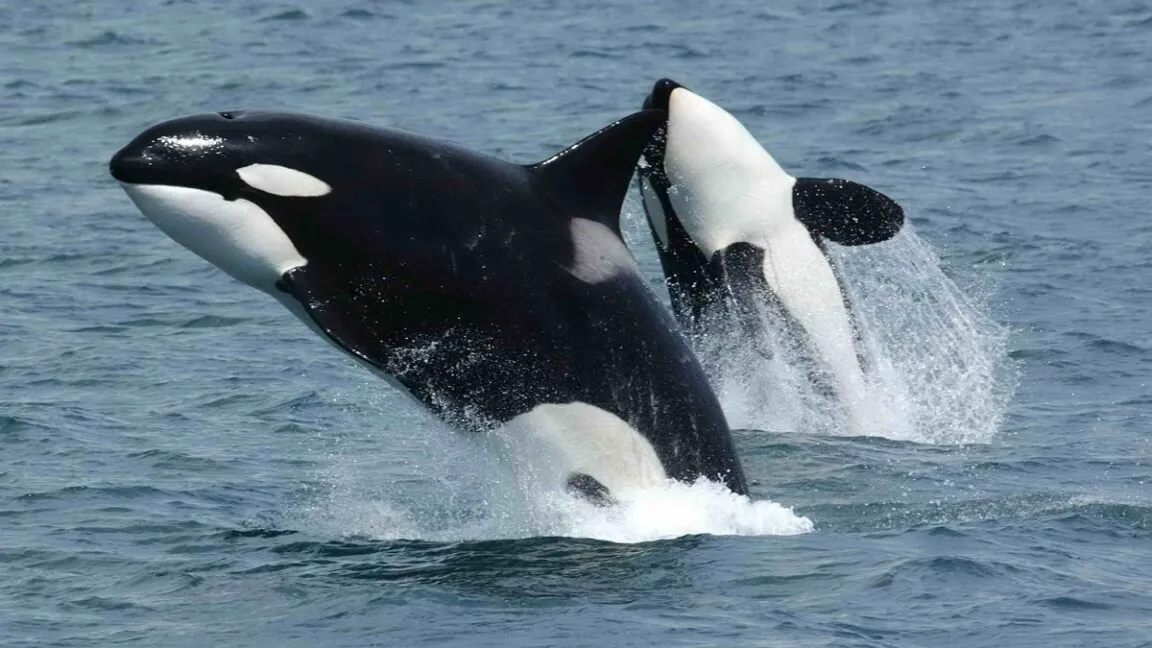
A new Frontiers in Ethology paper documents cooperative “ramming” that may be practice, play, or social learning.

A new Frontiers in Ethology paper shows orcas may ram prey for learning or play, not just feeding.
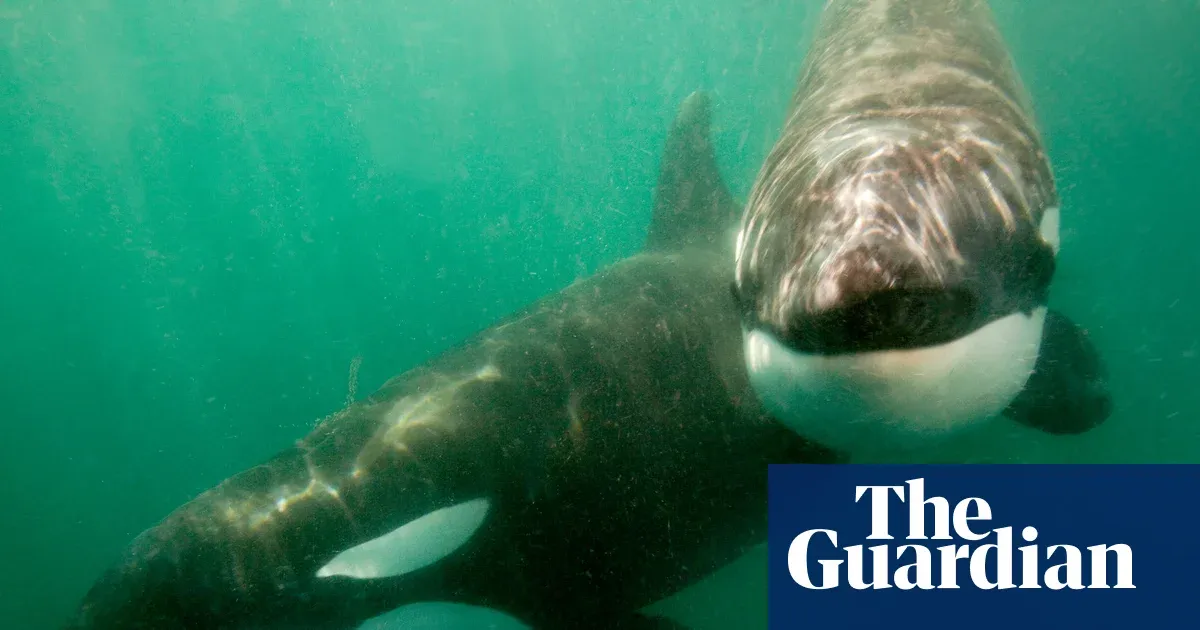
New observations show sunfish-smashing behavior where prey break into thousands of pieces, hinting at entertainment or teaching.

A new video shows killer whales shredding a huge meal on purpose, raising fresh questions for scientists and regulators.
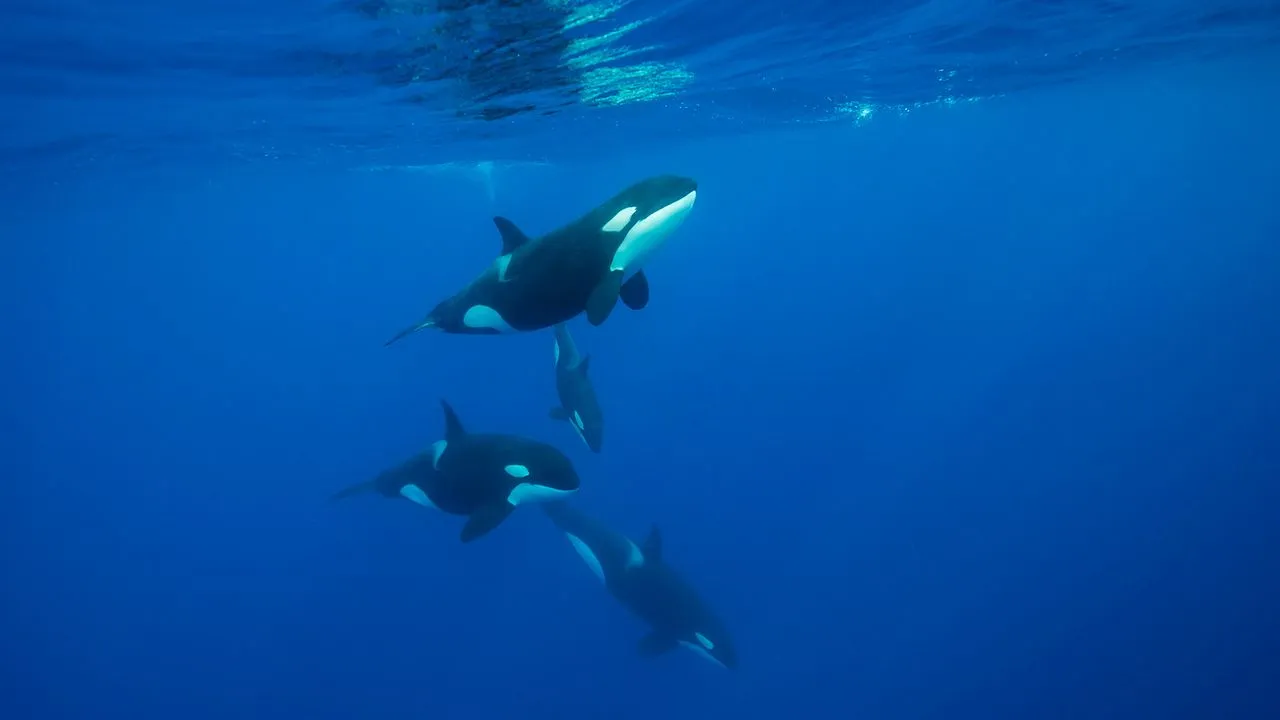
Two Gulf of California observations show coordinated hold-and-release smashing, with scientists calling it “ram-to-fragment.”

The BBC reports bans covering more than eight million households. Here is why executives should care, and what it signals.
A weird survival trick in glassworms hints at how biology manages extreme pressure, and why it matters for deep tech.
A Science and Retraction Watch investigation shows a fatal outcome in China’s gene-editing research was kept hidden, raising regulatory stakes.

The gut-brain link is no longer a seminar punchline. Now the big question is what, exactly, drives mental-health effects.

A compact device measures ketosis status from exhaled breath, giving weight-loss programs a potentially simpler way to verify fat burning.

A compact device measures when you are in ketosis, opening a new path for weight-loss monitoring and accountability.