

NYU pinpoints how plants “feel full” on nitrogen, unlocking leaner fertilizer use
Researchers identify the nitrogen-sensing molecular machinery that could help crops take up more fertilizer and cut costs and pollution.
By Maha Al-Juhani·· 4 min

Curating from trusted global sources…
Curated from trusted global sources, refined into briefing-grade analysis with executive summaries, insights, and bullet-point takeaways.
Researchers identify the nitrogen-sensing molecular machinery that could help crops take up more fertilizer and cut costs and pollution.
New Biological Conservation research suggests swapping night lighting to safer amber tones could reduce one major extinction driver.
A new super-resolution method gives angstrom-level localization using a single laser, cutting complexity and pushing molecular imaging further.
A new study explains the pathways of antimicrobial resistance in South Africa’s water, turning infrastructure into a health risk.

The 2026 roadmap shifts from monthly drops to two major content updates per year, with a dedicated live service team intact.
RCA TV cameras, a rover, and a missed chance to re-aim in real time made moon liftoff history watchable.

A hidden force can cluster dark matter while simultaneously weakening its gravity as the Universe expands, reshaping cosmic timelines.
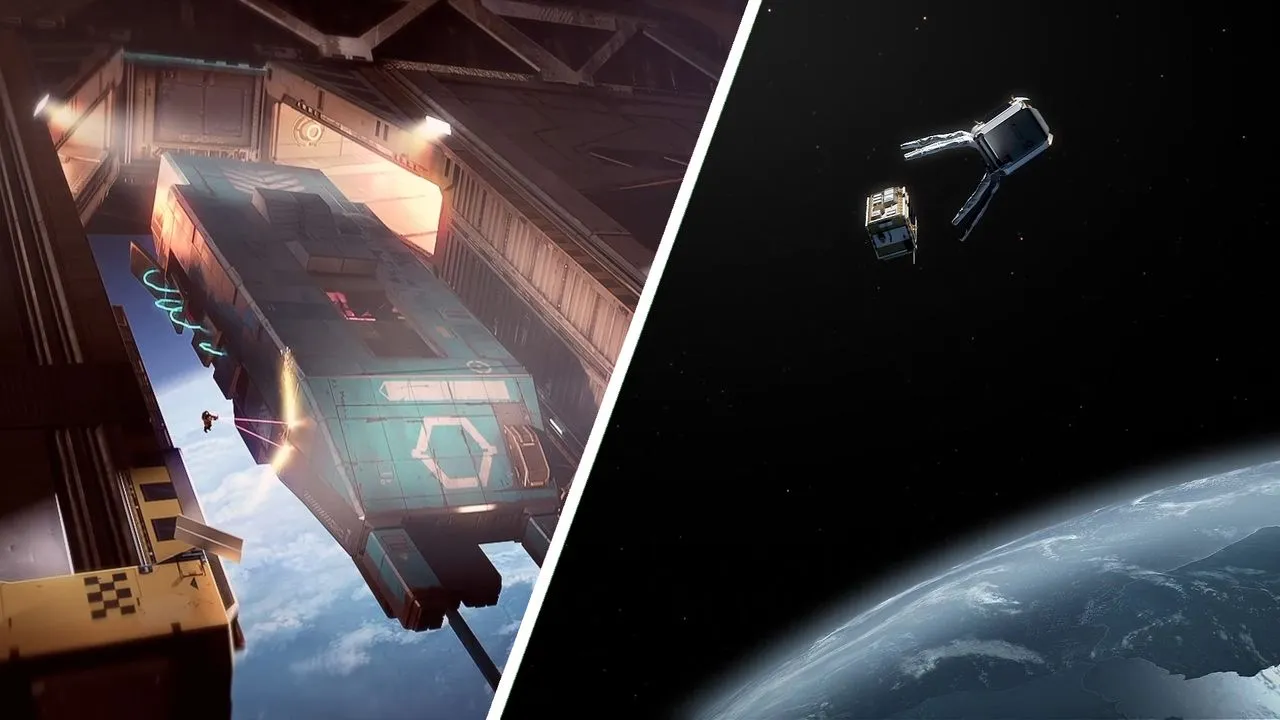
A space-salvage game fantasy of cutting into pieces collides with real mission rules: avoid creating trackable-but-deadly debris.

A new Hubble analysis ties a 2 billion-year starburst to a slow wind-down, with Roman Space Telescope next.
New JWST images are delivering fresh data on galaxy formation and the universe’s beginnings, changing what researchers can prove.

Evolution is speeding up to fill extinctions. The catch: conservation records miss many “outlaw” winners.

Weapons in women’s burials, matrilineal power signals, and Boudica point to fighters, with a big European caveat.