
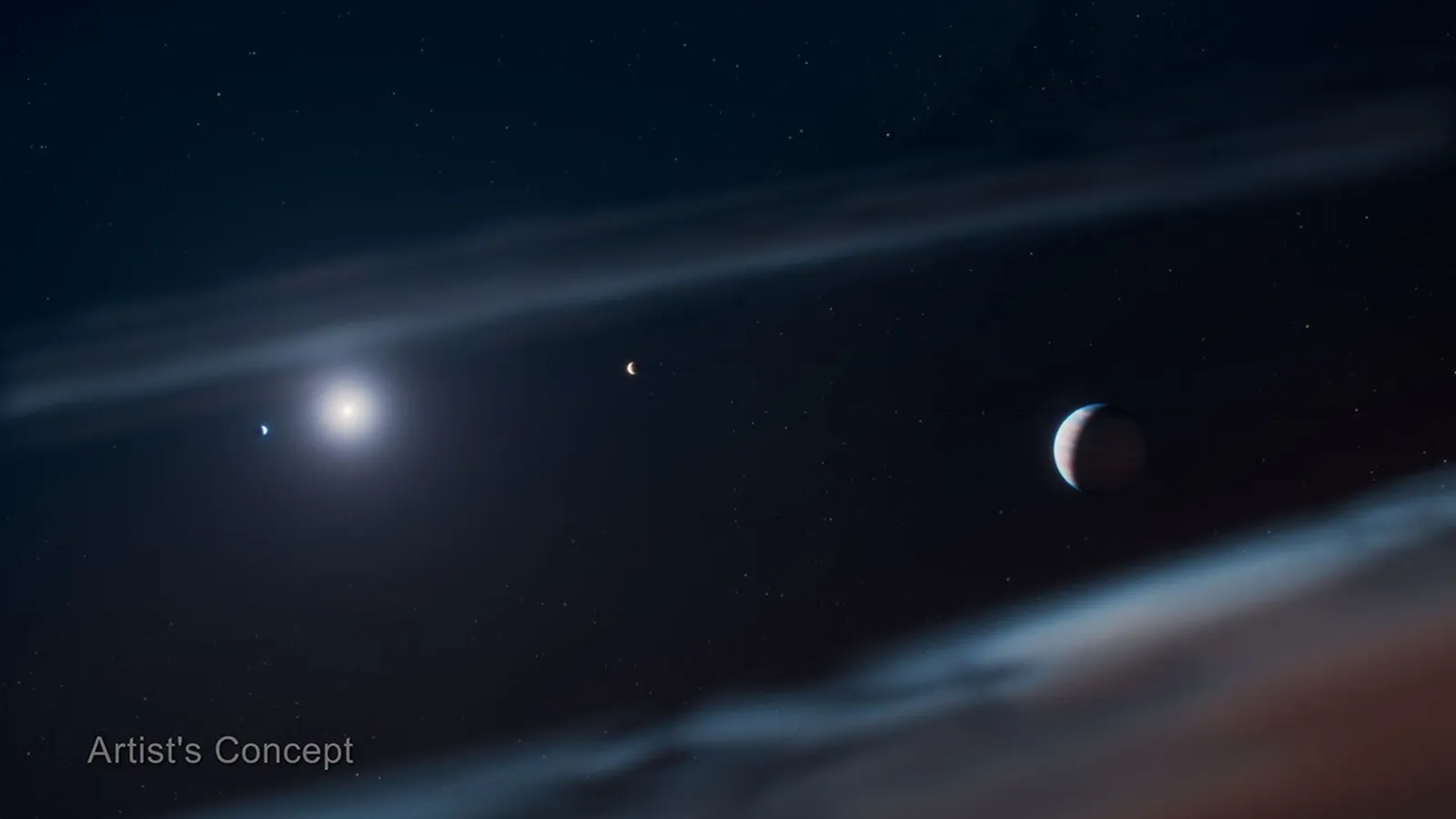
Webb spots Beta Pictoris d: carbon monoxide confirms a “hidden” giant planet
A spectroscopy-first detection finds the system’s third imaged planet and expands how exoplanets get discovered.
By Sara Al-Ghamdi·· 4 min

Curating from trusted global sources…
Curated from trusted global sources, refined into briefing-grade analysis with executive summaries, insights, and bullet-point takeaways.
A spectroscopy-first detection finds the system’s third imaged planet and expands how exoplanets get discovered.

Researchers map its worldwide trek, and governments move fast to contain a growing threat to city trees and costs.

A new UK climate report from the Met Office warns the UK has moved past its last century’s baseline.
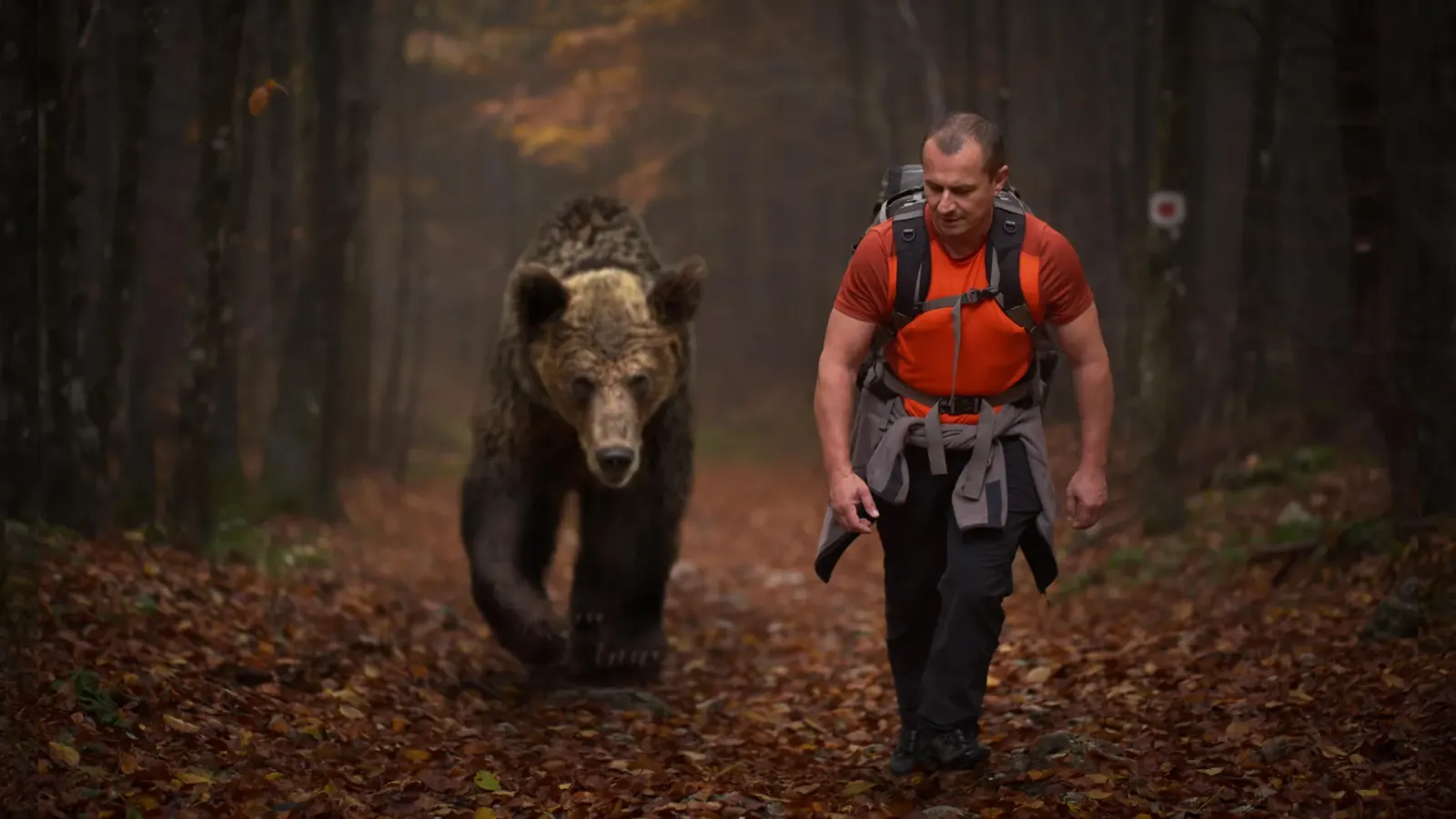
A 30-year research synthesis shows “humans” do not equal “danger,” and the consequences hit policy and management.
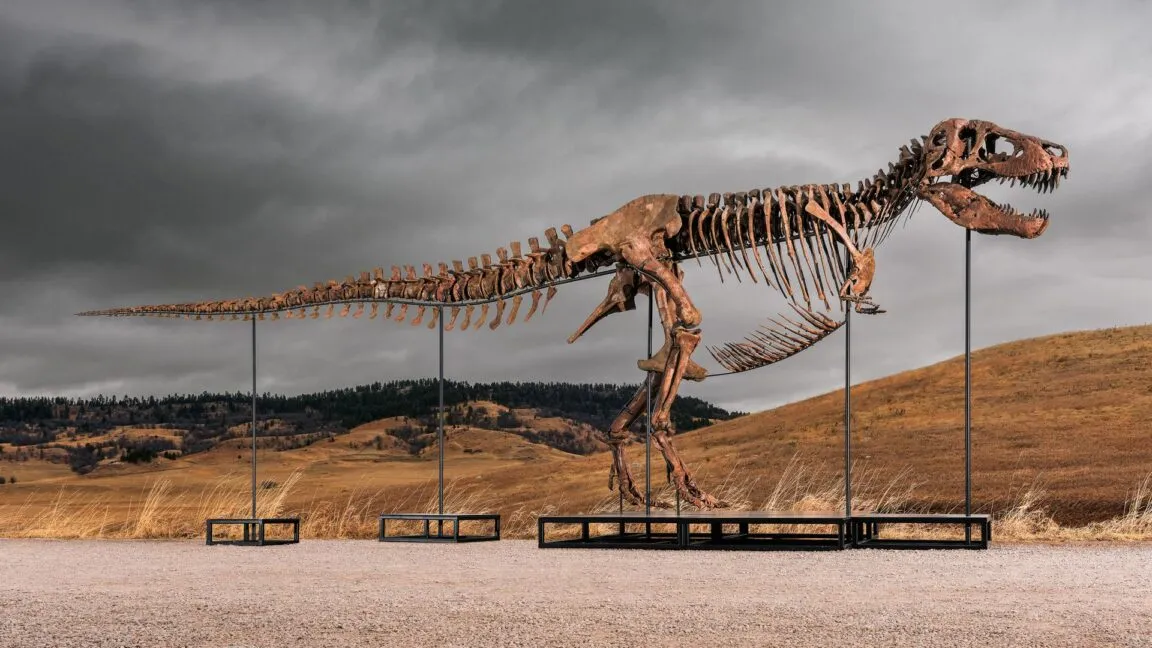
One 67-million-year-old skeleton, Gus, sits at the center of a science vs. luxury market reckoning.
A Nature Ecology & Evolution review of 75 biodiversity experiments shows drought makes biodiversity benefits context-dependent.
As generative tools turn thinking into prompts, leaders must decide whether to automate tasks or protect human skill.

A Labrador Sea expedition turned polar wreck remains into digital models, advancing shipwreck science and risk management for ocean heritage.

Ultraviolet sleuthing finds long-predicted stellar remnants and hints our neighborhood likely has many more white dwarf binaries.
The record sale of the T. rex named Gus tests the balance between fossil markets and scientific access.
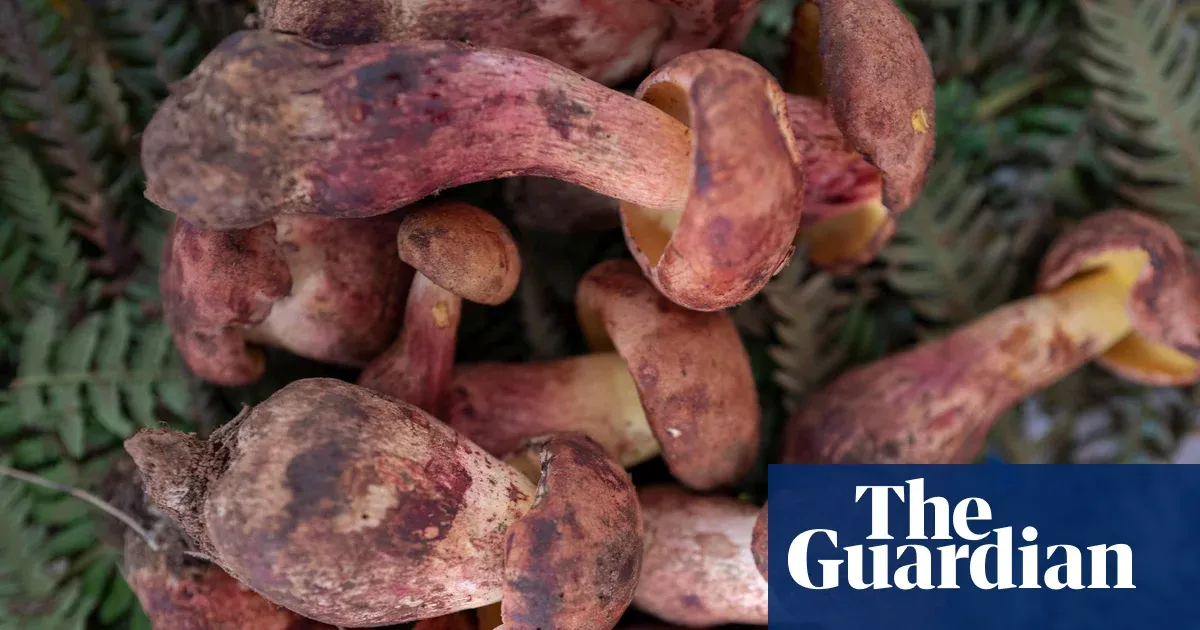
Yunnan’s prized pine symbiont can cause vivid, multi-day visions, but it is unrelated to psilocybin.
The new Scandinavian radar network aims to reveal how solar outbursts roil the upper atmosphere.