

Laptop tensor networks compress hundreds of entangled qubits to solve a quantum problem
A “classical impossible” quantum calculation now runs on a laptop by squeezing the wave function.
By Lama Al-Rashid·· 3 min

Curating from trusted global sources…
Curated from trusted global sources, refined into briefing-grade analysis with executive summaries, insights, and bullet-point takeaways.
A “classical impossible” quantum calculation now runs on a laptop by squeezing the wave function.

A two-server OpenShift edge design trades a hardware gamble for fencing, avoiding split-brain without a third site node.
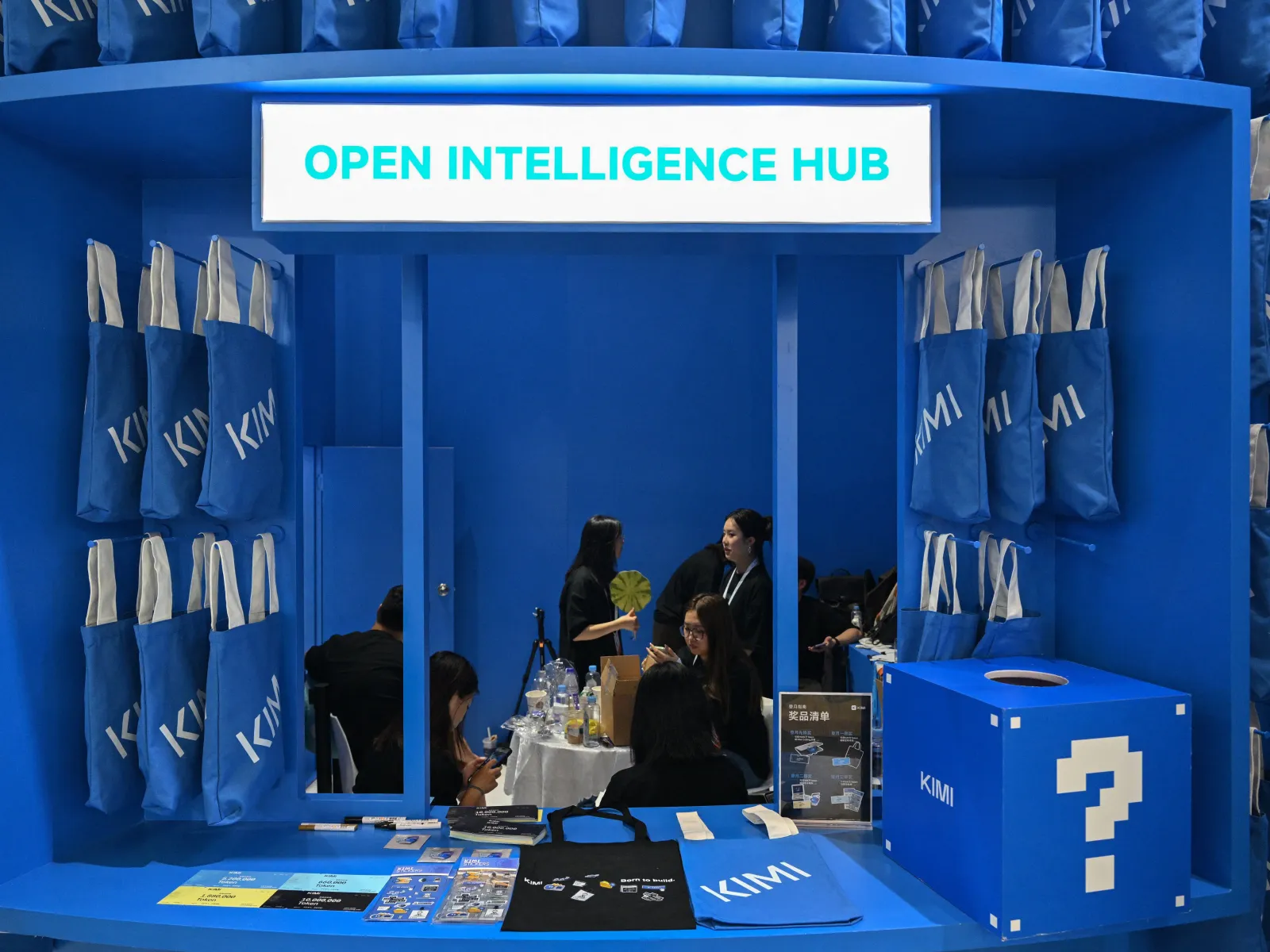
China’s Kimi K3 sparks an open-versus-closed AI fight, and Ball says regulation could steer companies away from open models.
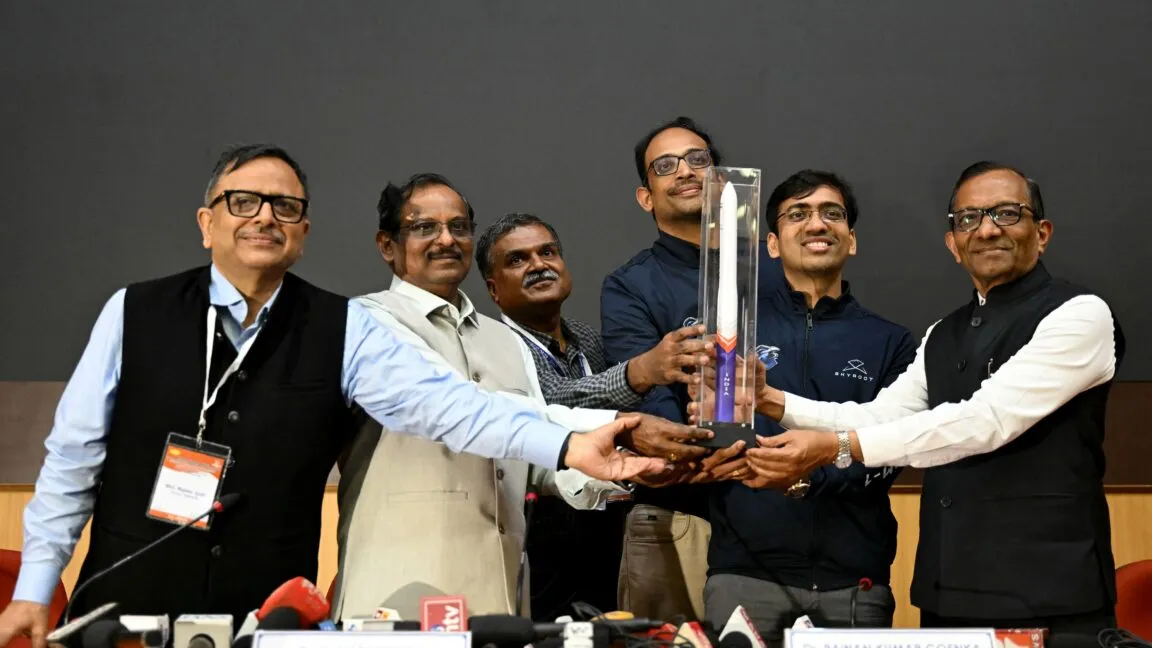
India’s first fully commercial satellite launcher proves it can hit orbit, and it changes the small-launch scoreboard.

A $587 million cash deal puts Netflix deeper into AI-driven production, and signals how aggressively streamers are buying capability.
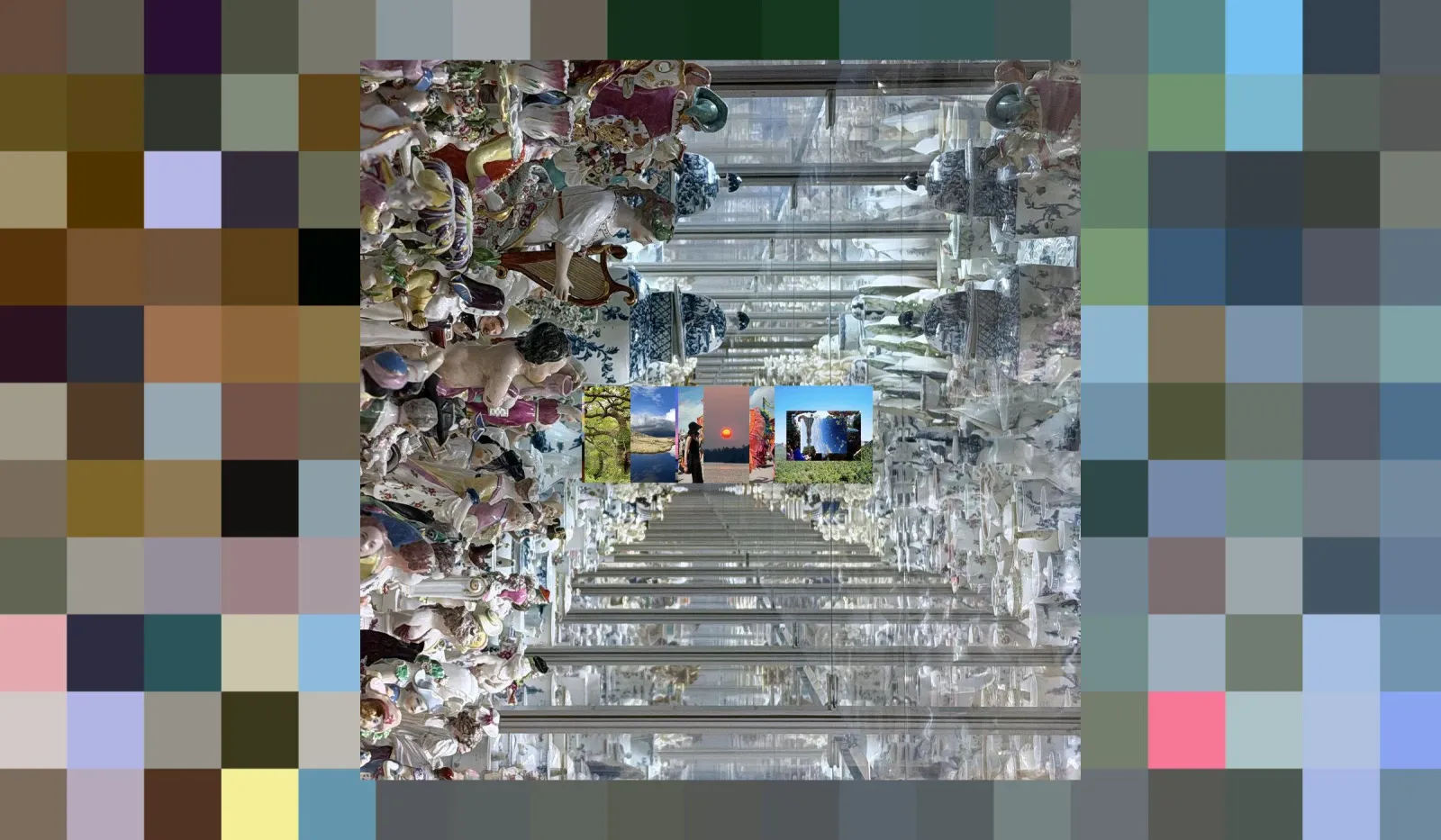
Kieran Hebden (aka Four Tet) released a side project whose title and visuals render differently on YouTube Music, Apple Music, and Bandcamp.
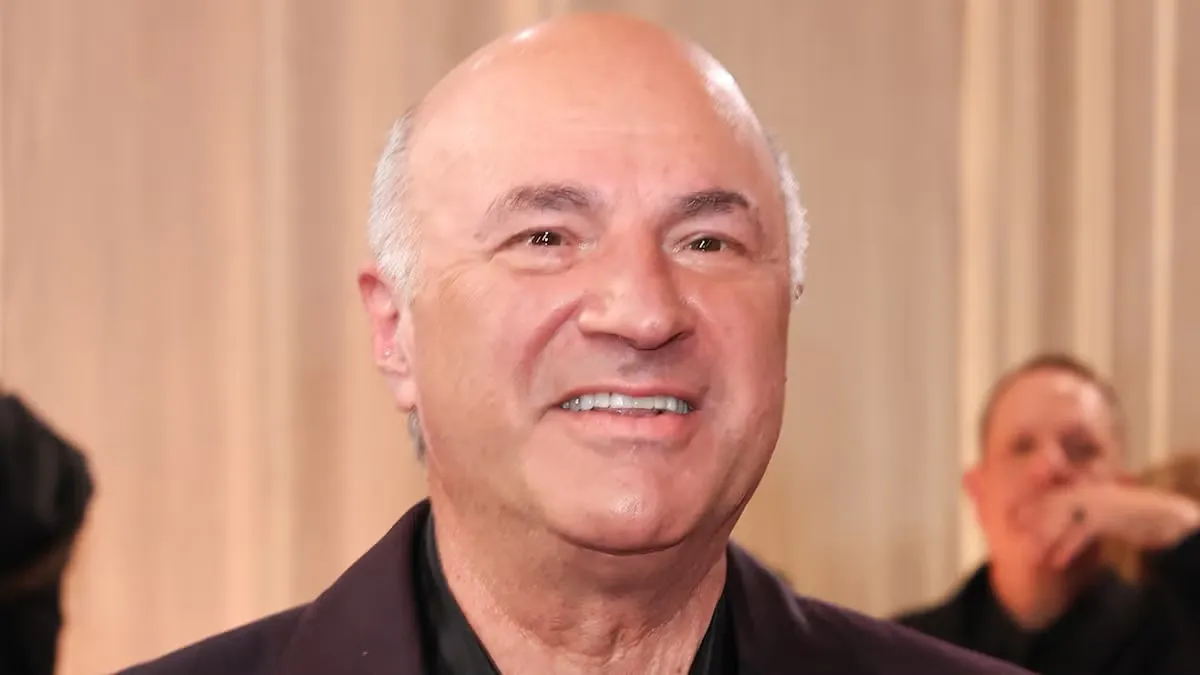
A federal defamation suit targets O'Leary and Fox after on-air accusations; Fox says it corrected the record, O'Leary cites “no evidence.”
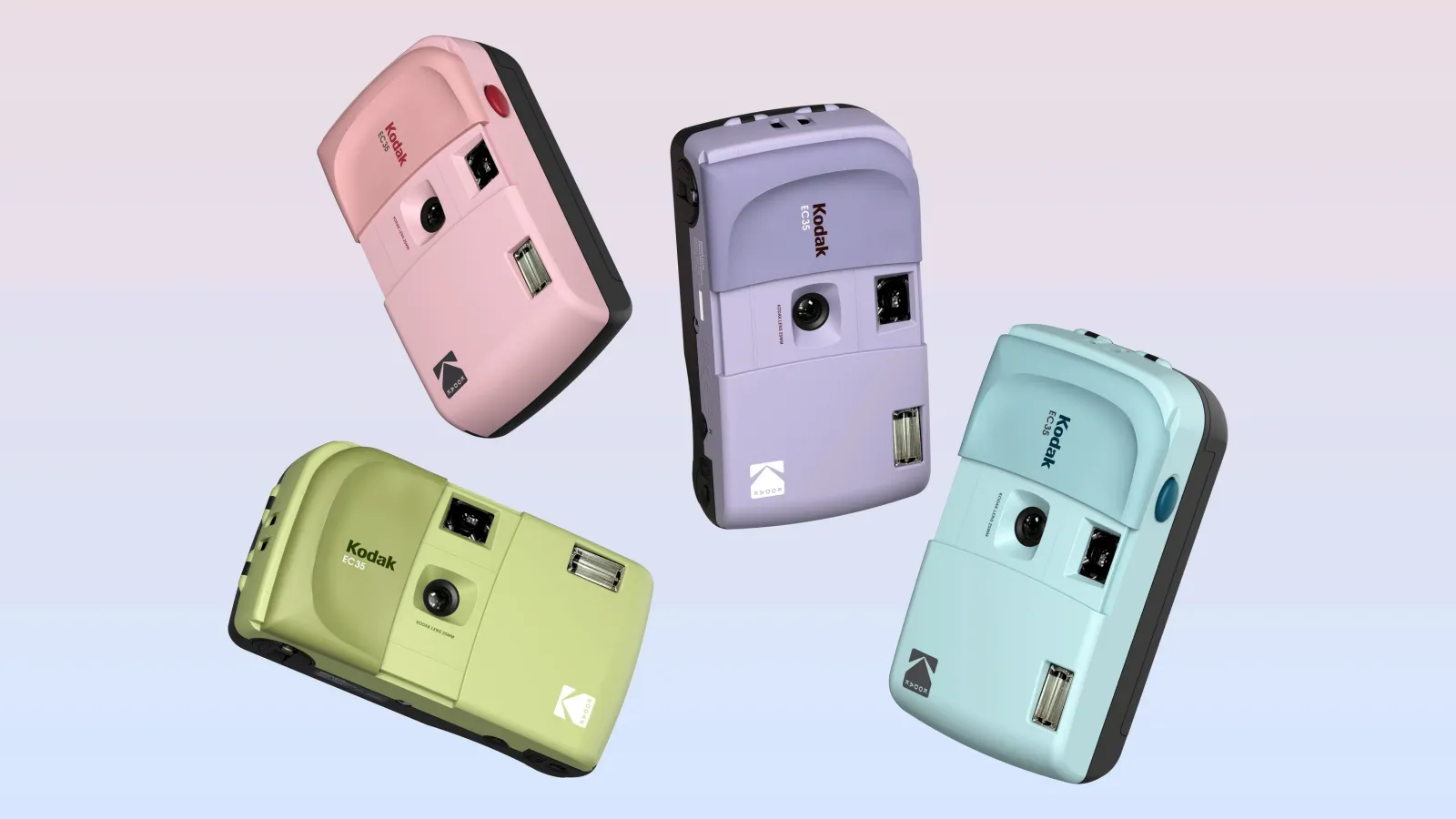
A fixed-f/10 25mm lens, simple controls, and automatic flash make it disposable-like, but with film.

A newly shared timelapse captures the spacecraft's close approach over Mars and why it matters for deep-space timelines.

A generative-AI music creator says the boring label missed the point, and executives should pay attention to why.
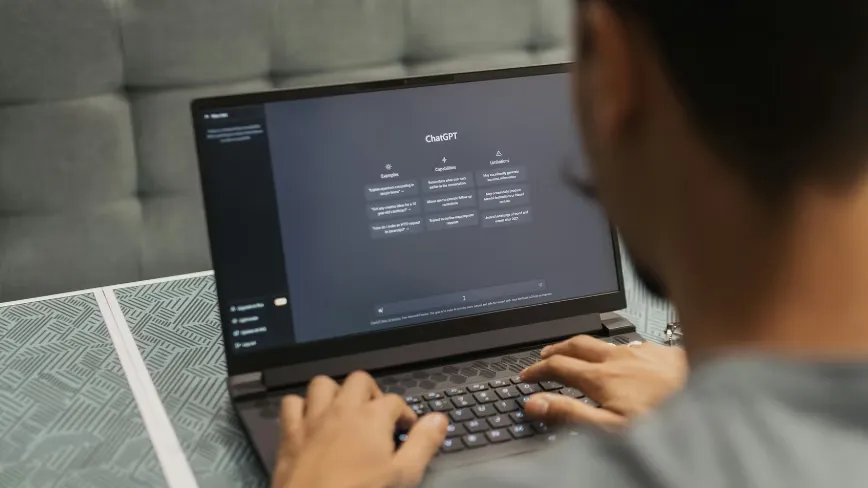
Researchers found accuracy fell from 27% to 9% as people became dramatically more willing to guess.

Why Bluetooth never fully replaced infrared, and what that means for device strategy and platform bets.