

OLED TVs may still be “best,” but cheaper displays win specific rooms in 2026
OLED’s premium picture stays real, yet Engadget’s take: “lesser” tech can outperform where it matters most.
By Yousef Al-Zahrani·· 3 min

Curating from trusted global sources…
Curated from trusted global sources, refined into briefing-grade analysis with executive summaries, insights, and bullet-point takeaways.
OLED’s premium picture stays real, yet Engadget’s take: “lesser” tech can outperform where it matters most.
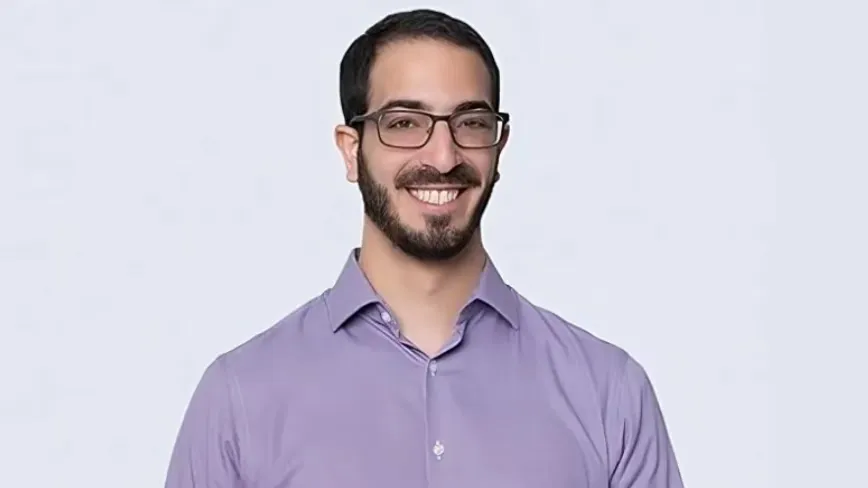
AI accelerates software, but it also multiplies the internet-facing surface area. Gurzeev explains the new security job.

A new Claude constitution, broad uncertainty tests, and growing model scale force boards to plan for worst-case ethics now.

Fort Worth to Fort Stockton kicks off a five-day race where high school teams build and fuel cars with solar energy.
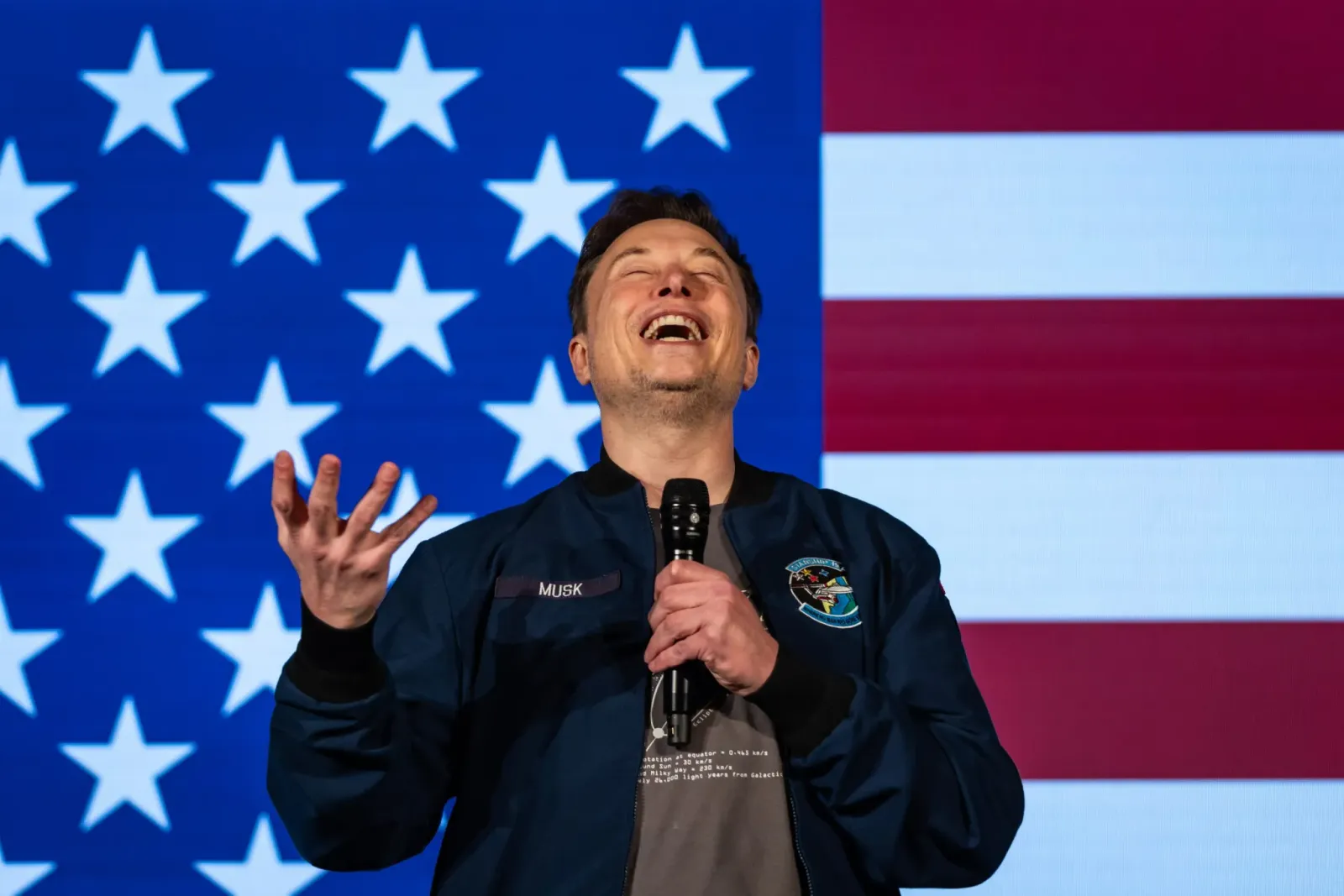
Two contracts, $1.25B plus $920M per month, turn unused capacity into a valuation lever.

As cars get more software updates over the network, cybersecurity risk grows, forcing boards to treat OTA as critical infrastructure.
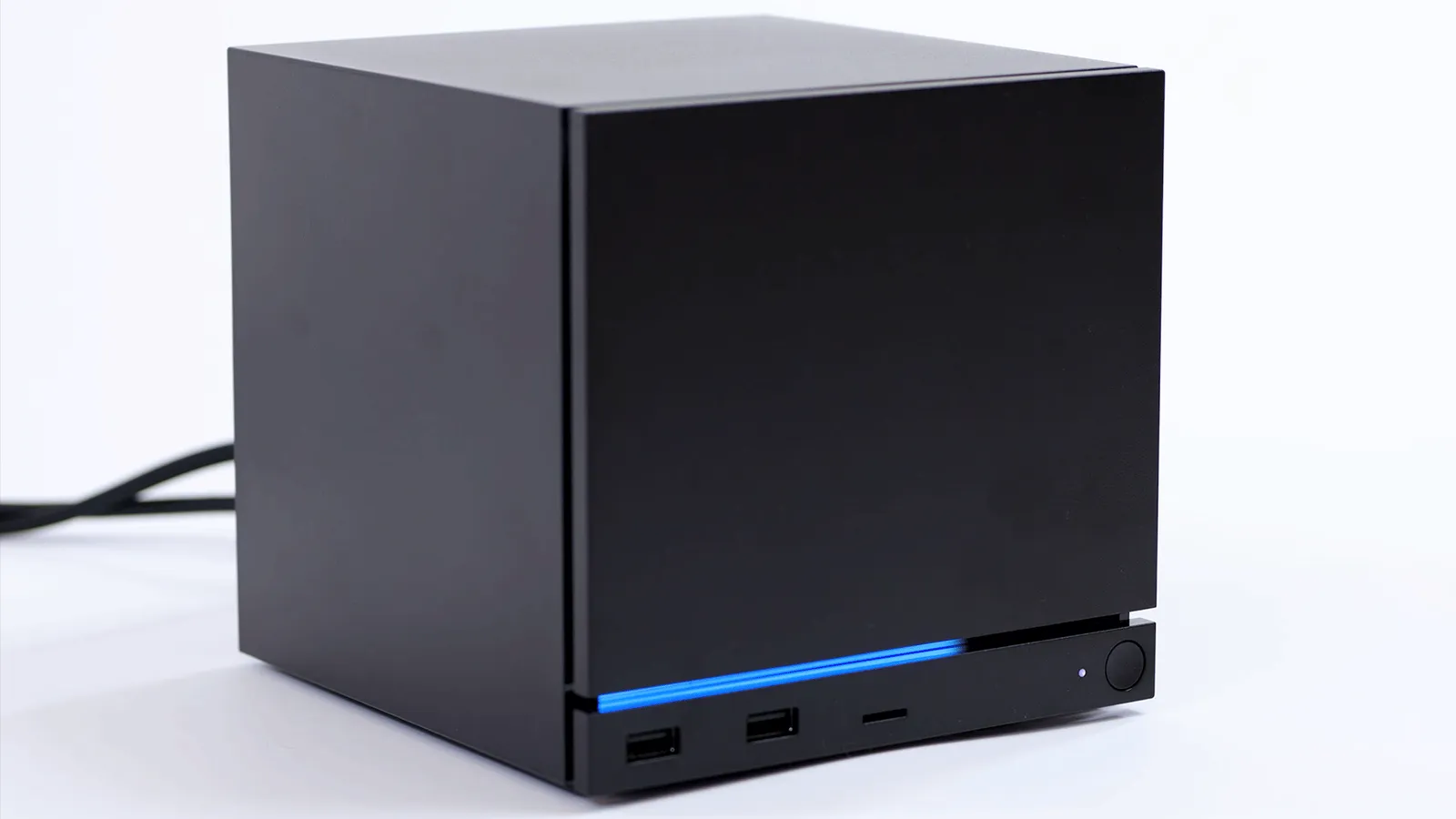
Steam Machine architects warn the memory squeeze is getting worse, with Valve hoping for affordability only later.

A regulator-backed website block raises immediate compliance, risk, and revenue questions for anyone touching prediction markets or affiliates.
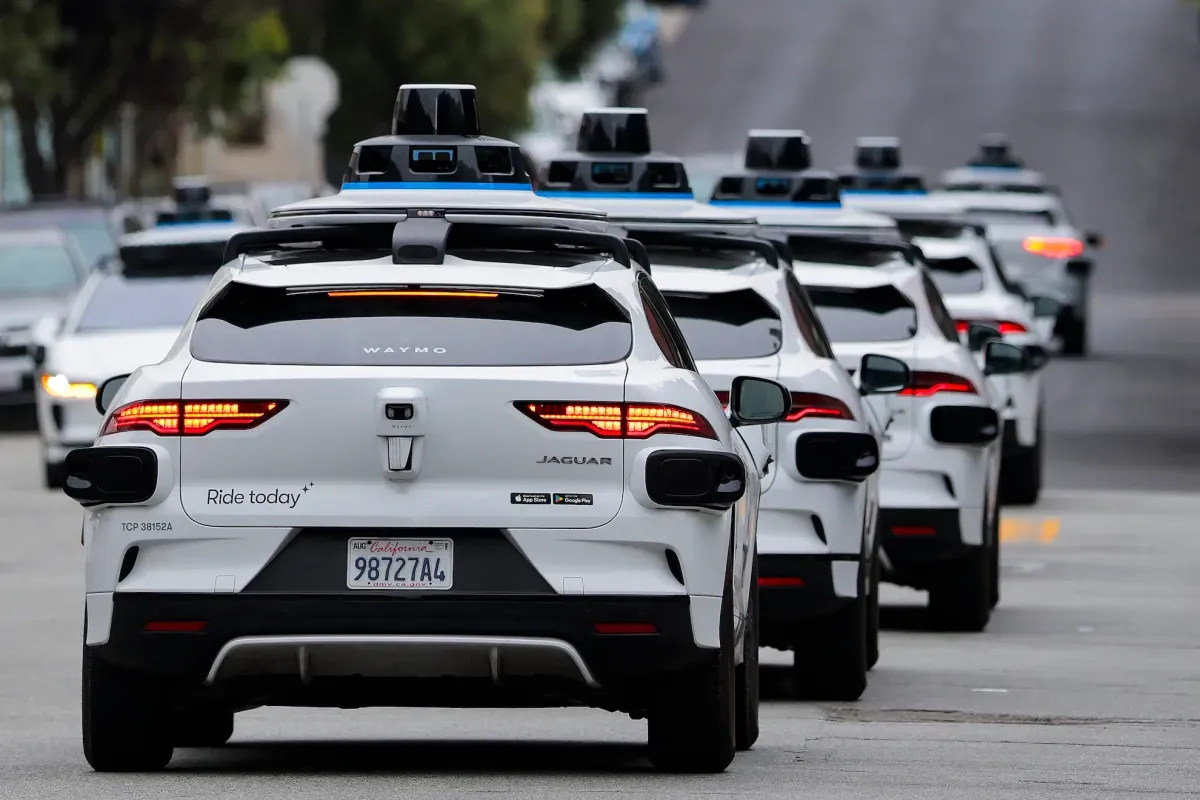
Waymo’s San Francisco service restarted after a one-hour halt, reigniting attention on reliability risks for robotaxis.
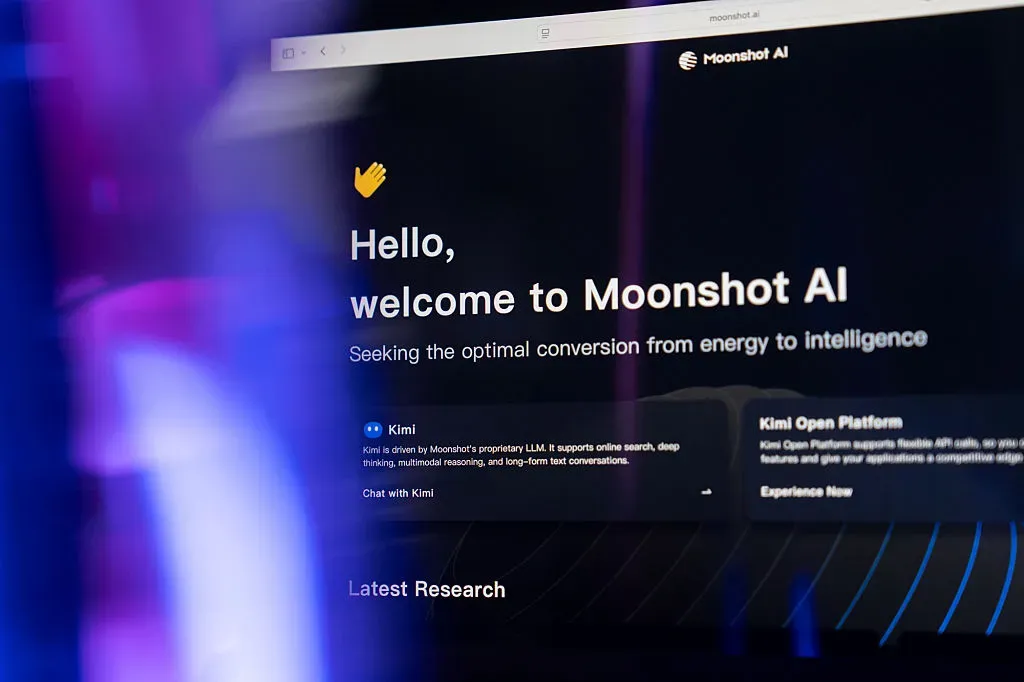
The new Kimi model release reignites the debate over who controls frontier AI, and what that means for investors and regulators.

A Nubia phone built around ByteDance’s Doubao agent puts voice-first automation on hardware, forcing rivals to respond fast.

Apple’s Maps ad policy shift removes a whole category of home-service providers, with knock-on effects for local ad buyers.