

IBM claims sub-1 nanometre chip design breakthrough, but production is still far off
The first known below-1nm chip technology is real, but timelines suggest a long runway before it becomes revenue.
By Yousef Al-Zahrani·· 3 min

Curating from trusted global sources…
Curated from trusted global sources, refined into briefing-grade analysis with executive summaries, insights, and bullet-point takeaways.
The first known below-1nm chip technology is real, but timelines suggest a long runway before it becomes revenue.

IBM claims nearly 100B transistors on a fingernail chip using “nanostack” tech that mimics below-1nm limits.

The milestone is real, but the bigger story is what it signals about who controls the next manufacturing playbook.

A new IBM method targets the exact bottleneck executives worried was running out, reshaping how chip roadmaps get planned.
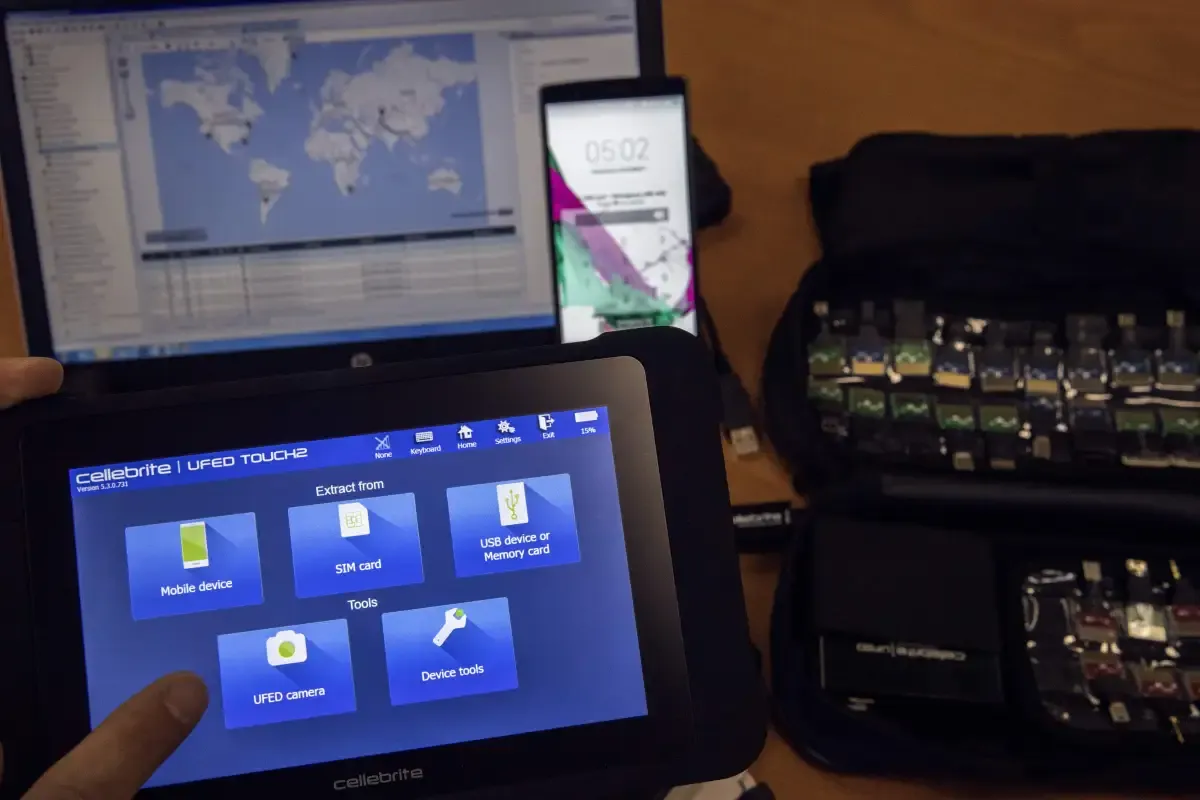
Evidence suggests Russian authorities used Cellebrite unlocking tools to hack a political opponent's iPhone, despite the company’s Russia pause.
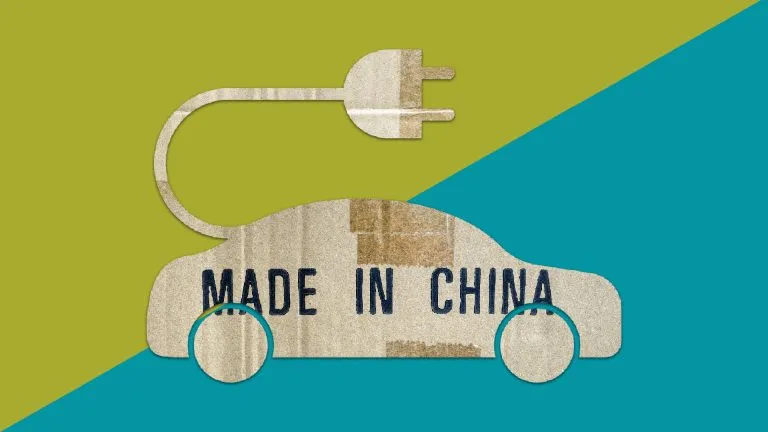
Three charts reveal Chinese EV makers have built plans abroad, but production lines at scale remain missing.

The memo shift signals a possible course correction for a company that built speed on employee trust destruction.

A 17-year-old could view domain controller tools, see student data, and access servers and mailboxes, then didn’t report it.

The Human Consent Registry lets people license or withhold AI use of their name, face, and voice, in Brussels.

The CATL founder sets a reality check for solid-state timelines and next-gen battery commercialization.

The free model you use most gets smarter at tracking context, which reshapes product expectations across AI apps.

Nikkei Asia traces how demand around AI chip investments is spilling into real estate, reshaping risk for boards and lenders.