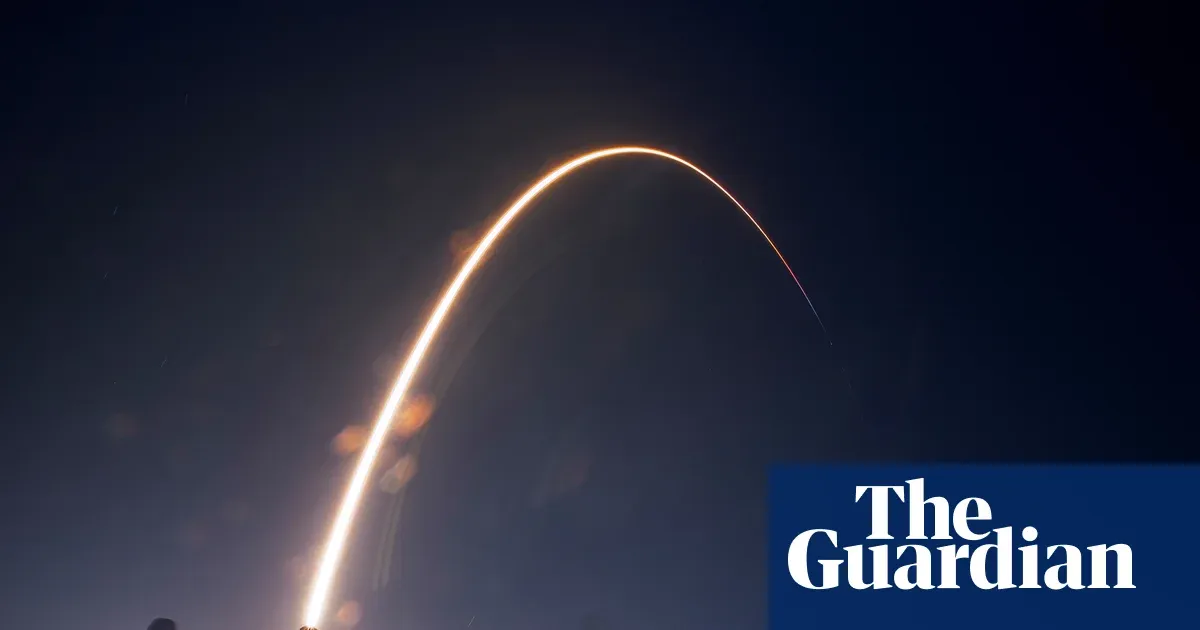
SpaceX upper stage will hit the moon Wednesday, intentionally targeting nothing at all
A rocket left over from a year-old lunar mission is set to crash into the lunar surface, and scientists plan to watch closely.
By Mohammed Al-Shehri·· 3 min

Loading briefings
Pulling the latest in this topic…
Research, space, health, climate, discovery
210 briefings briefings in Science
A rocket left over from a year-old lunar mission is set to crash into the lunar surface, and scientists plan to watch closely.
Flaming debris hits homes and farms weekly, but deciding who is responsible and who pays remains a messy policy gap.
Geometric earthworks with embankments and ditches push the timeline, forcing new thinking on preservation, research, and risk.
New science maps why Earth stayed low-oxygen for a mysterious stretch before oxygen rose fast.
A new U.S. military testosterone policy is forcing regulators, clinicians, and commanders to confront uncertainty about aggression risk.
Researchers report a previously unknown sensory pathway that turns wings into chemical beacons for targeted foraging.
World Weather Attribution links hotter, drier, windier conditions in Iberia to burning fossil fuels, raising wildfire risk now.
Decision-makers in UK venues and event teams get the who, where, and safety steps for the 12 August eclipse.
A ground base launches, recovers, and downloads pre-programmed drone flights to study the boundary layer better.
A new study uses high-speed imaging and underwater microphones to solve the sound puzzle behind why certain bubbles pop louder.
A Nature briefing unpacks unusual orca hunting behavior and what it could mean for how we interpret marine ecosystems.
A higher-orbit maneuver spacecraft started tumbling days ago, but engineers say the mission still has a chance.