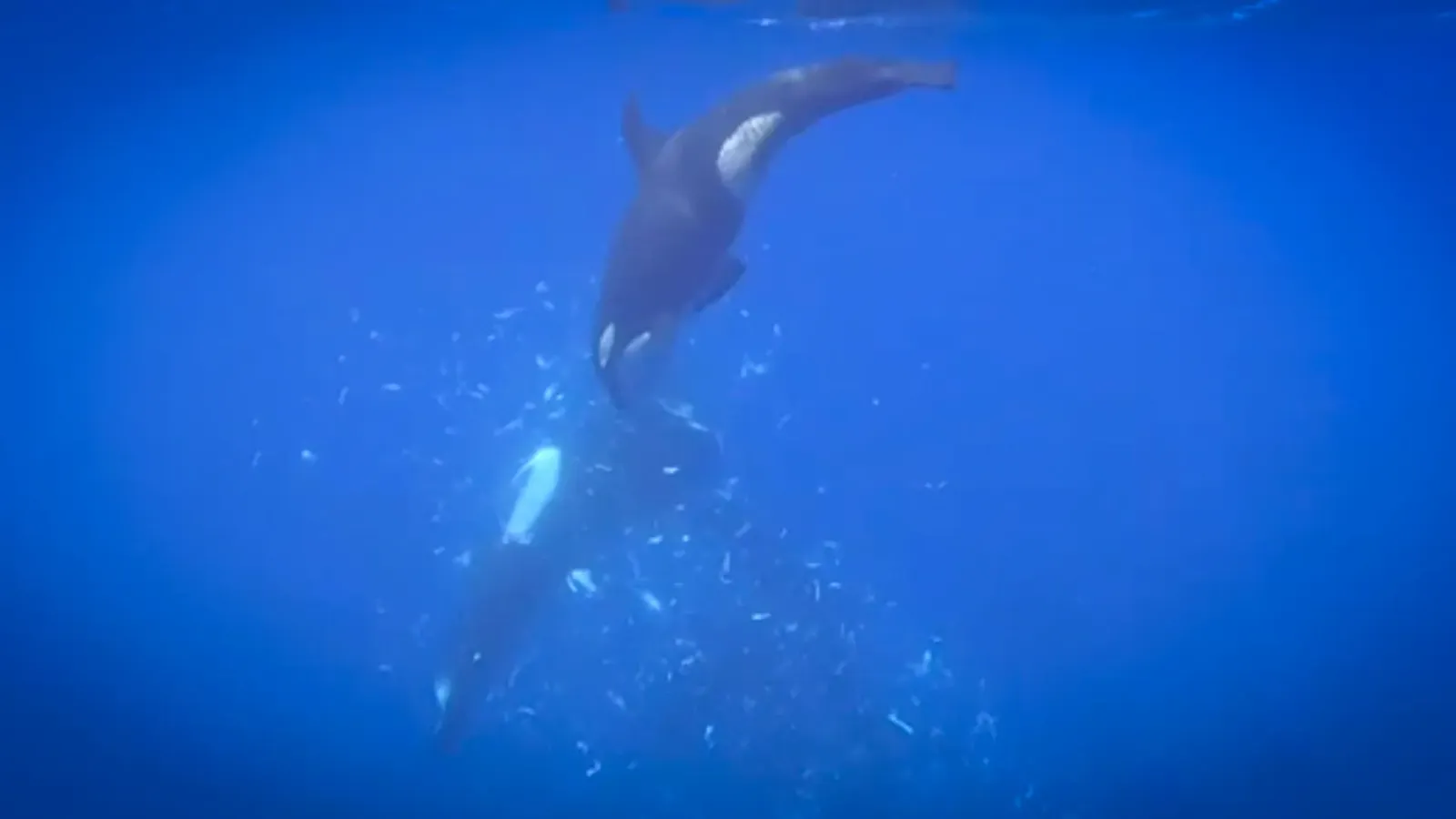
Orcas in the Gulf of California smash sunfish into thousands of pieces, researchers report
A pair of never-described hunting tactics turns a dead sunfish into a particle field and raises new questions about predation.
By Lama Al-Rashid·· 3 min

Loading briefings
Pulling the latest in this topic…
Research, space, health, climate, discovery
318 briefings briefings in Science
A pair of never-described hunting tactics turns a dead sunfish into a particle field and raises new questions about predation.
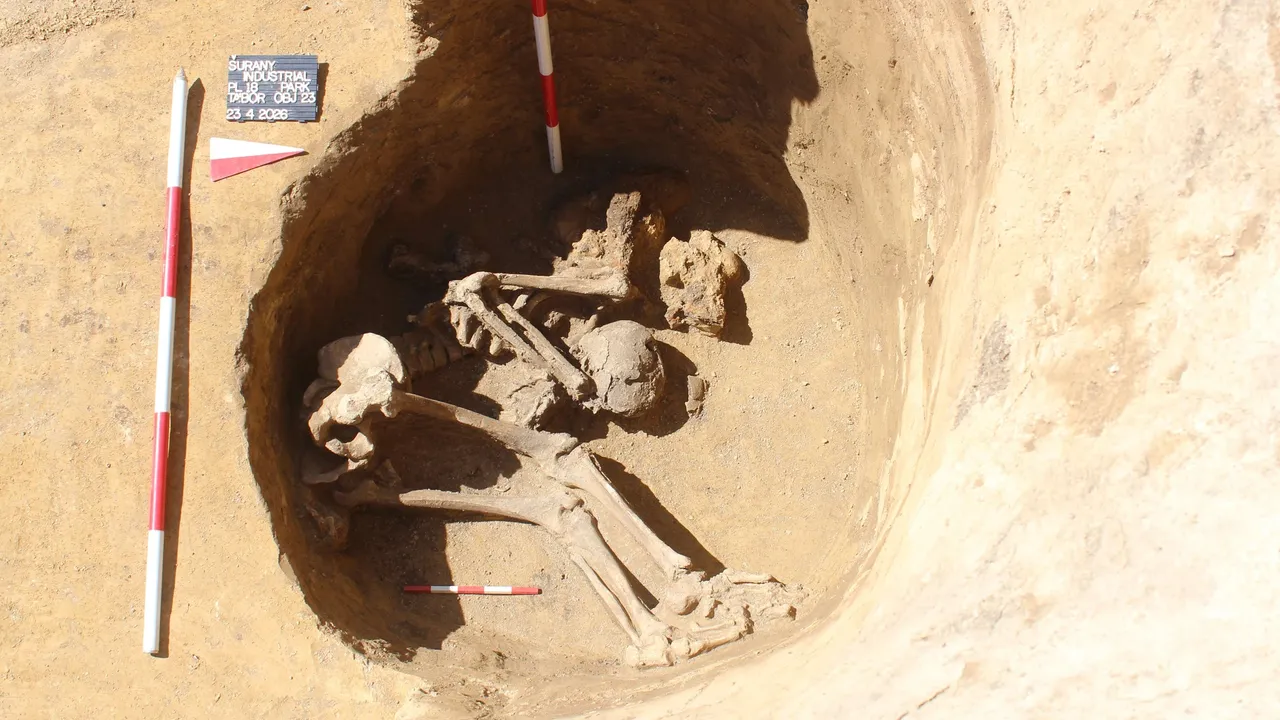
A 18.2-acre marching camp in Slovakia with 5 gates and intact sandal nails is forcing new questions about how it ended.
Four winners under 40 use geometry, topology, and Boltzmann-era math to resolve decades-old puzzles.
The build-measure-learn loop, proprietary multimodal data, and a Kendall Square “lab of the future” are reshaping drug R&D.
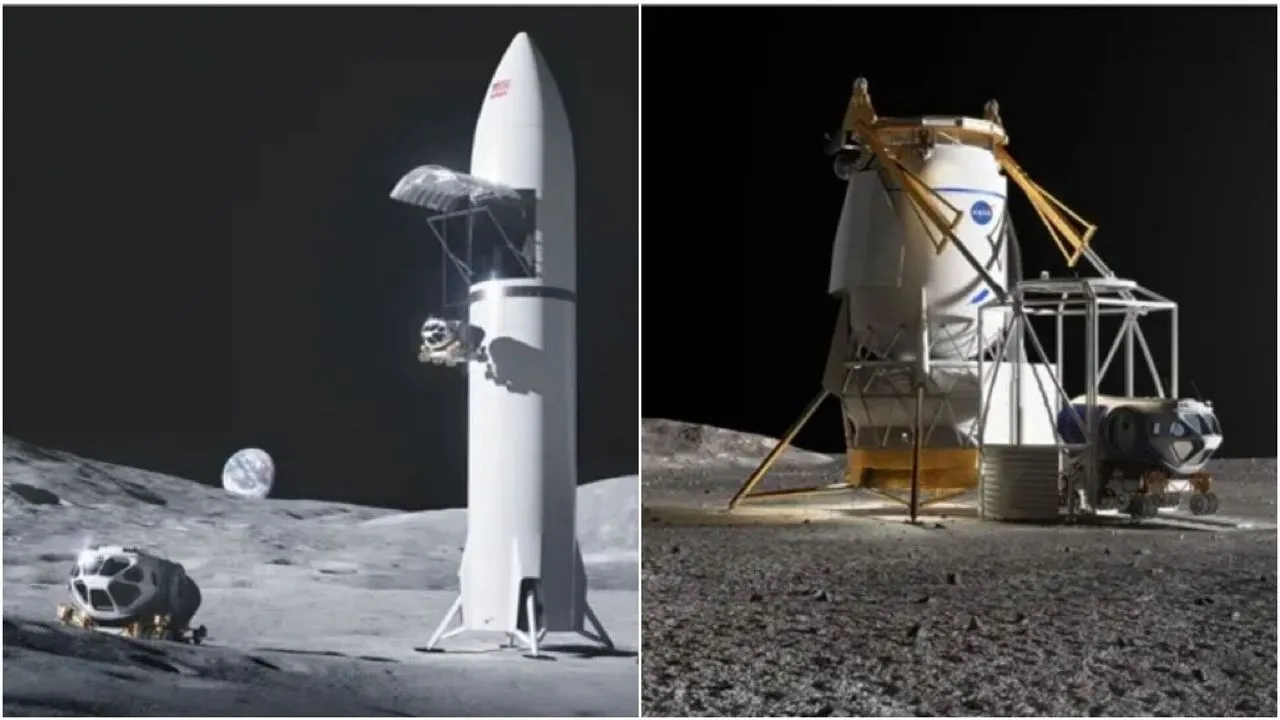
An Artemis II pilot warns NASA may be choosing the riskier touchdown location, and points to safer options tied to emergency access.
A compact active galaxy, seen about a billion years after the Big Bang, sits next to a 12,000-parsec filament likely to merge soon.
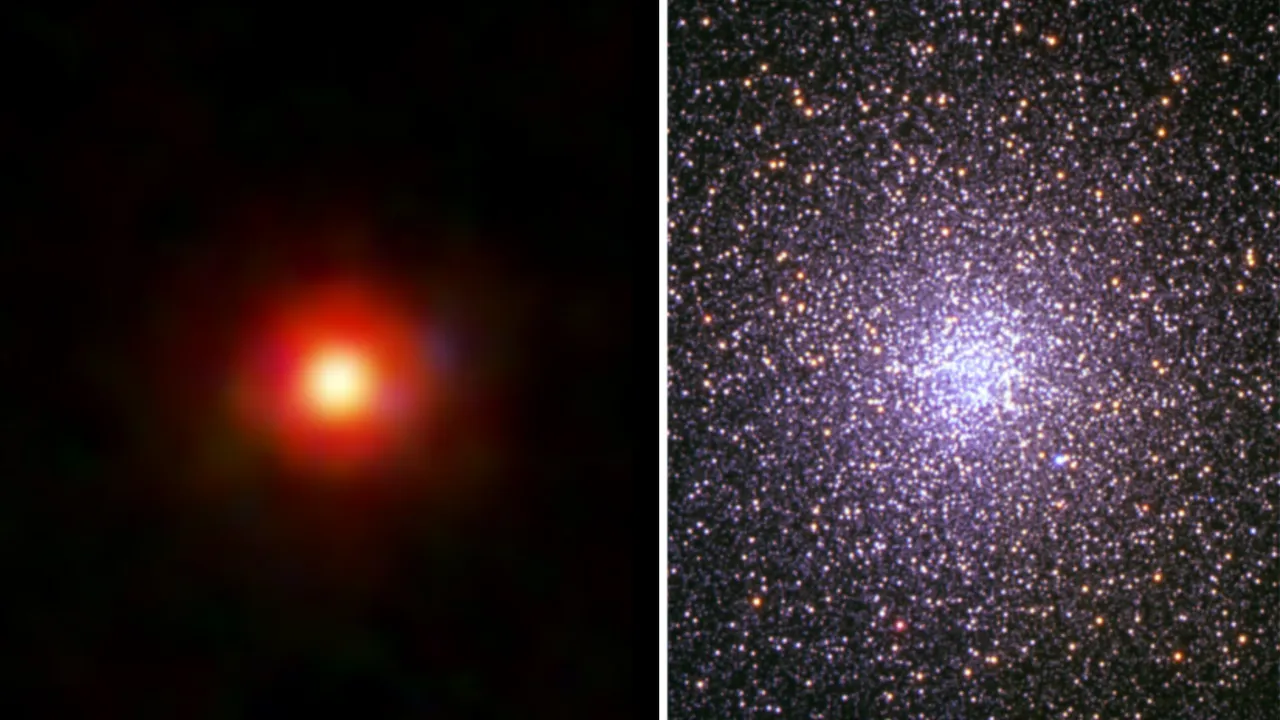
A new pre-print argues the early-universe dots fade because they transform, likely into ancient star cities.
A new international analysis says heat, not low precipitation, is driving Europe's exceptionally dry conditions and tightening risk for water, energy, and insurers.
A Quebec-to-Queens HVDC link can move up to 20% of NYC power, but outages and drought uncertainty are now the story.
A Northwestern-led prototype uses motion blur and counter-rotation to make drones harder to see, not just harder to spot.
One unlocked door plus sloppy internal controls show how healthcare access can fail fast, even with “security” in place.
The Department of Energy’s first Genesis grants land, and 278 teams now have 9 months to earn more funding.