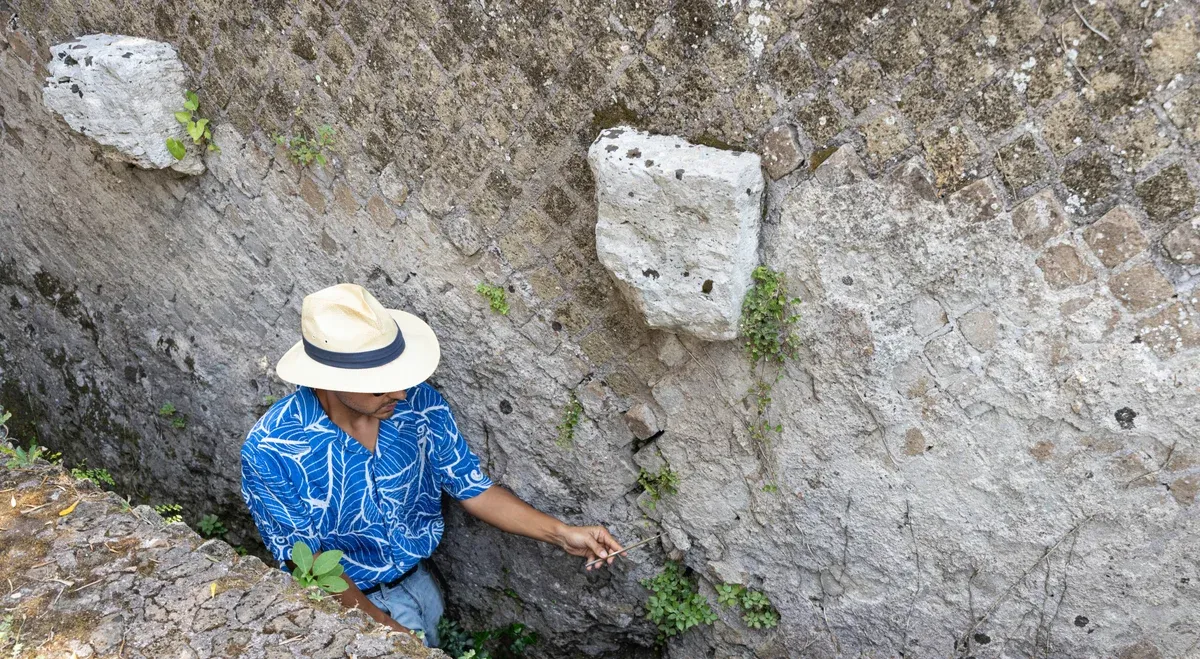
Calcite in a 1,900-year-old latrine reveals why Roman concrete still holds up
The ancient micro-structure that keeps Roman concrete durable could guide modern mix designs and longevity standards.
By Turki Al-Mutairi·· 4 min

Loading briefings
Pulling the latest in this topic…
Research, space, health, climate, discovery
774 briefings briefings in Science
The ancient micro-structure that keeps Roman concrete durable could guide modern mix designs and longevity standards.
New multi-country tree measurements show some South American tropical forests stopped absorbing carbon during 2015-2016.
A study reconstructs a cap's travel using label data, shell chemistry, and current simulations, exposing invasive-species risk in the micro-world.
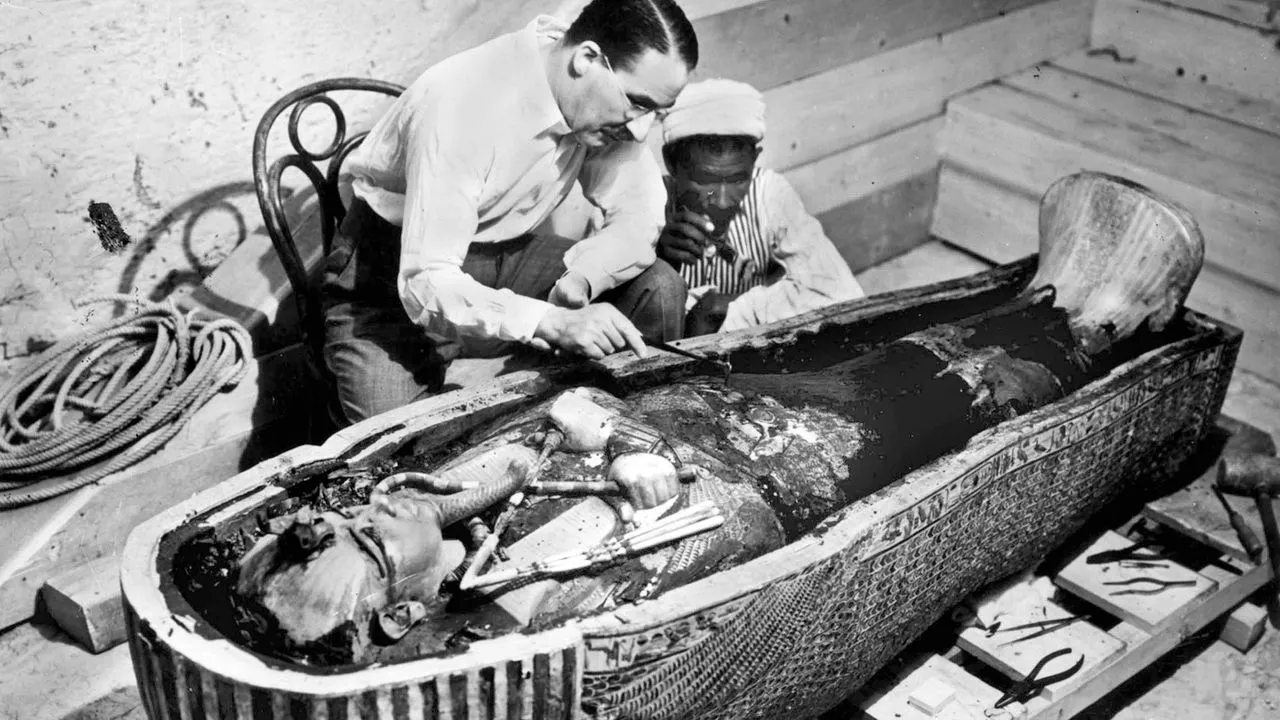
Sam Kean’s book follows Bob Brier and Ronn Wade as they recreate Egyptian embalming step-by-step, even the weird parts.
Sam Kean explains how Bob Brier and Ronn Wade learned new science, even as critics called it horrifying.
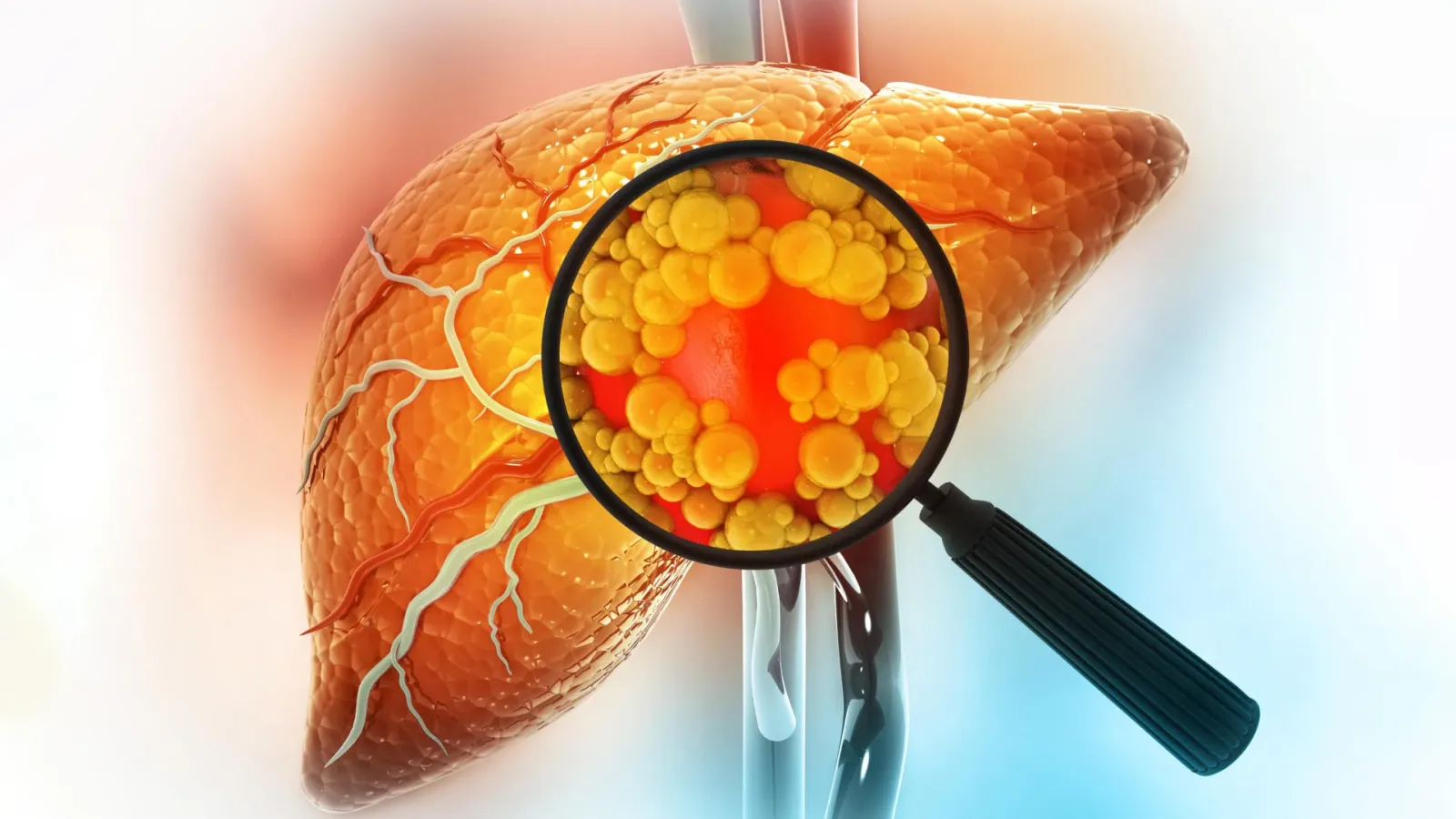
A gut-repair strategy that prevented liver-damaging toxins could redefine treatment approaches for MASH and beyond.
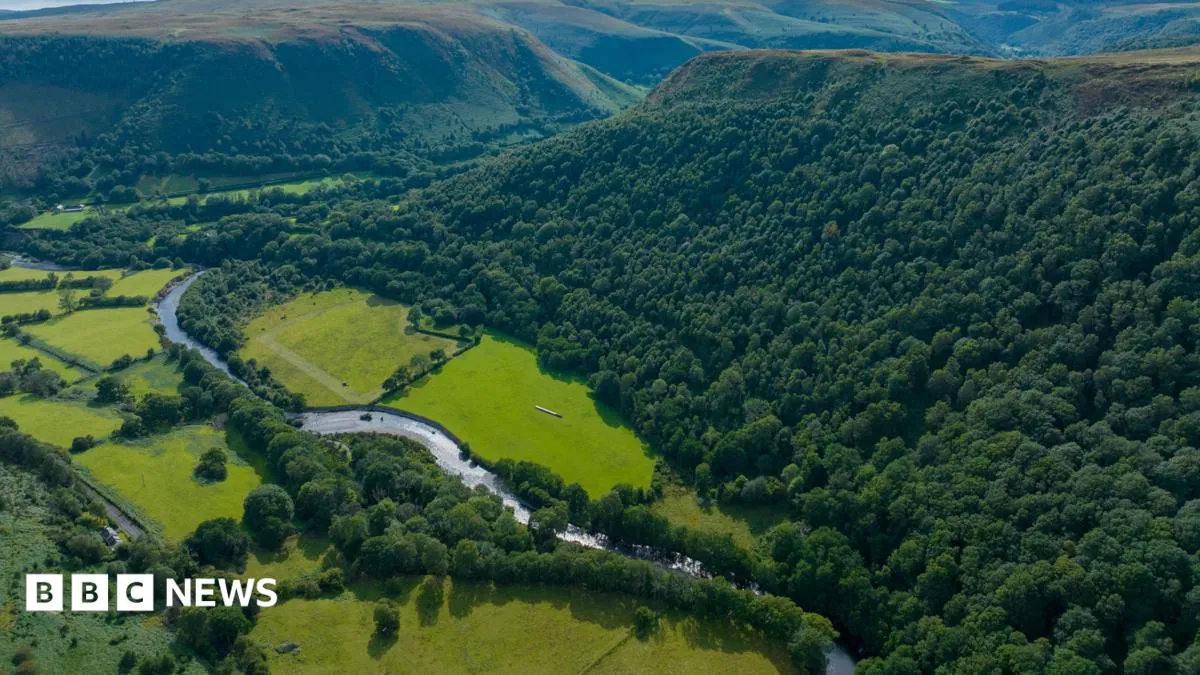
The 96-hectare purchase is designed to protect internationally important habitats, with ripple effects for how conservation is funded.
A Jupiter-size gas giant survived a Sun-like star's red-giant phase, and Webb finally looked inside the mystery.
A PNAS-published discovery explains how gonorrhea bacteria slip past defenses and why faster treatment still matters.
New findings suggest each pregnancy has its own neural signature, changing how boards should think about maternal mental health tools.
A first real-world experiment in Nunavut points to hope, then immediately flags the caveats decision-makers need.
A 148 mph opener at Wimbledon 2026 forces a brain-and-balance problem tennis never solved by “getting faster” alone.