
A Berkeley compound burned 18% more energy in mice, and spared muscle
UC Berkeley researchers say the compound raises energy expenditure instead of suppressing appetite like Ozempic, and it stacks with GLP-1 drugs, though the data is still only in mice.
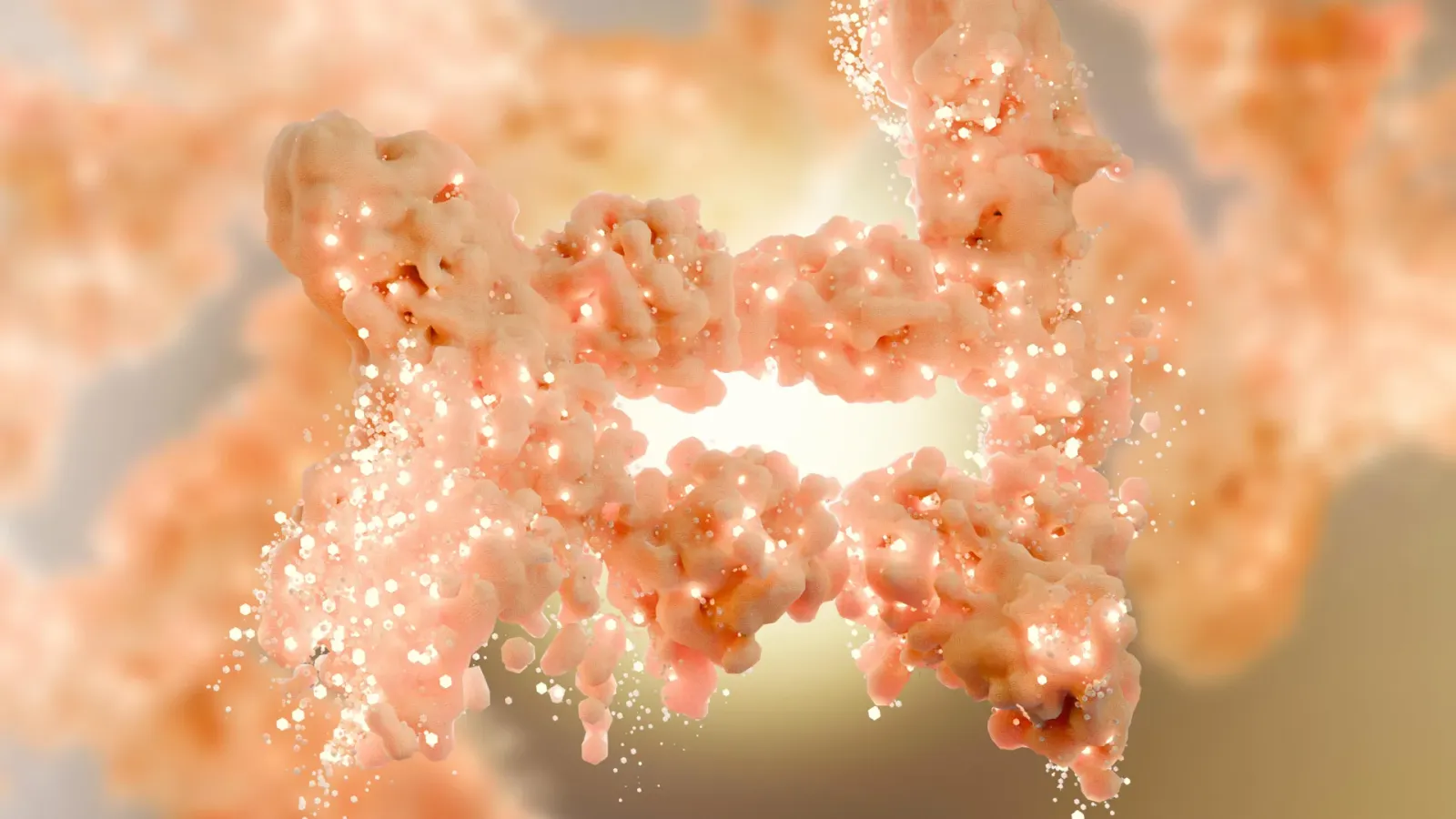
Researchers at UC Berkeley have identified a compound that raised energy expenditure in mice by up to 18%, improved blood sugar control, reduced liver fat, and produced weight loss without significant muscle loss, with the added finding that combining it with existing GLP-1 medications beat either treatment alone. For pharma executives and investors, the result points to a second mechanism that could sit alongside Ozempic and Wegovy rather than replace them, while the mouse-only data keeps the commercial clock years from starting.
Researchers at UC Berkeley have identified a compound that pushes the body to burn more energy instead of eating less, and in mice it lifted energy expenditure by up to 18%. The same animals showed improved blood sugar control, reduced liver fat, and weight loss without significant muscle loss. Read that last clause again, because muscle-sparing fat loss is the problem the weight-loss industry has found hardest to crack. Every number here comes from mice, not people, and that caveat matters. But the direction of the science is the story: this is a weight-loss approach that does not work by making you hungry.
The contrast with Ozempic and Wegovy is the entire point. Both drugs work through the GLP-1 appetite-suppression pathway, and that single mechanism has turned the category into one of the most commercially significant in modern medicine. The Berkeley compound attacks the other side of the ledger: calories out. And the detail that should make boardrooms sit up is not the 18%. It is the combination result. Pairing the compound with existing GLP-1 medications produced greater benefits than either treatment alone in the mouse studies, which means the new mechanism may not compete with the incumbents so much as complete them.
Why muscle matters so much: rapid weight loss, whether from GLP-1 drugs or from dieting, has long been shadowed by loss of lean mass. Muscle drives metabolic rate, physical strength, and, in older patients, basic independence. A therapy that sheds fat while sparing muscle would not simply be a gentler version of what already exists. It could open the door to patients who currently avoid weight-loss treatment because they cannot afford to lose lean tissue, including older adults, people already frail, and anyone whose clinician has flagged muscle loss as a risk. That is a different market, not just a better drug.
For incumbents, the combination finding is the most strategically loaded part of the study. A new mechanism that stacks with GLP-1s is a partner before it is a threat. For context, the GLP-1 category is dominated by a handful of large manufacturers, and any credible add-on therapy becomes an acquisition target, a licensing prize, or a defensive hedge. The question executives will ask is not whether this compound beats Ozempic. It is whether it makes Ozempic better, and who ends up owning the pairing.
Now the cold water. Mouse results are the cheapest currency in biotech. Compounds that work in rodents routinely fail in humans because of dosing, metabolism, toxicity, or biology that simply does not translate. Historically, the large majority of preclinical candidates never reach approval, and the ones that do typically take years and enormous sums to get there. That gap between a mouse and a pharmacy shelf is where most of the excitement in this field has historically died. The Berkeley work is a starting gun, not a finish line. No human data has been reported, and until it exists, the 18% figure is a promising hypothesis rather than a product.
Three things to watch from here. First, whether the compound clears the safety and toxicology work required to enter human trials, since raising energy expenditure has historically been harder to do safely than suppressing appetite. Second, whether the combination benefit holds in larger and longer studies, because additive effects in mice often shrink in people. Third, who licenses it. A university-owned compound with a clean mechanism and a GLP-1 pairing story is exactly the kind of asset that gets optioned early, often before the first human dose is given.
For anyone allocating capital or setting strategy in health care, the implication is that the next phase of the obesity market may not be a better appetite suppressant. It may be a second mechanism that sits alongside one. That reframes the competitive map: the winners could be the companies that own the combination rather than the molecule. Employers and insurers have a direct stake too, because the cost case for covering these treatments has always rested on health outcomes rather than a number on a scale, and body composition is a more defensible outcome than pounds lost. The compound is years from mattering. The strategic question it raises is available today.
This story's Key Insights and Take-aways are locked.
Create a free account to unlock Executive Actions for one credit.
Register to UnlockAlways free for Executives Club members. Join the Club
More in Science

Anthropic's I.P.O. Made Rank-and-File Researchers Worth Tens of Millions
Researchers who joined just a few years ago are now worth tens of millions, and the windfall resets the pay benchmark for every private A.I. lab still paying in paper.

Sea Lion Culling Strategy Fails: New Model Says Killing Them Won't Save Salmon
The latest research from AAAS overturn a long-held conservation assumption, forcing policymakers to rethink critical resource allocation in marine ecosystems.

Microplastics do more than pile up: they react with water to damage cells
Scientists have found that plastic particles can generate highly reactive molecules in water, a mechanism that could explain links to heart attacks, strokes, and neurological disorders.