
All 212 UK plant-based products tested contained a fungal toxin
A UK sweep of 212 vegan and vegetarian products found mycotoxins in every sample, turning a detection rate into a sourcing problem the fast-growing plant-based aisle has never had to answer for.
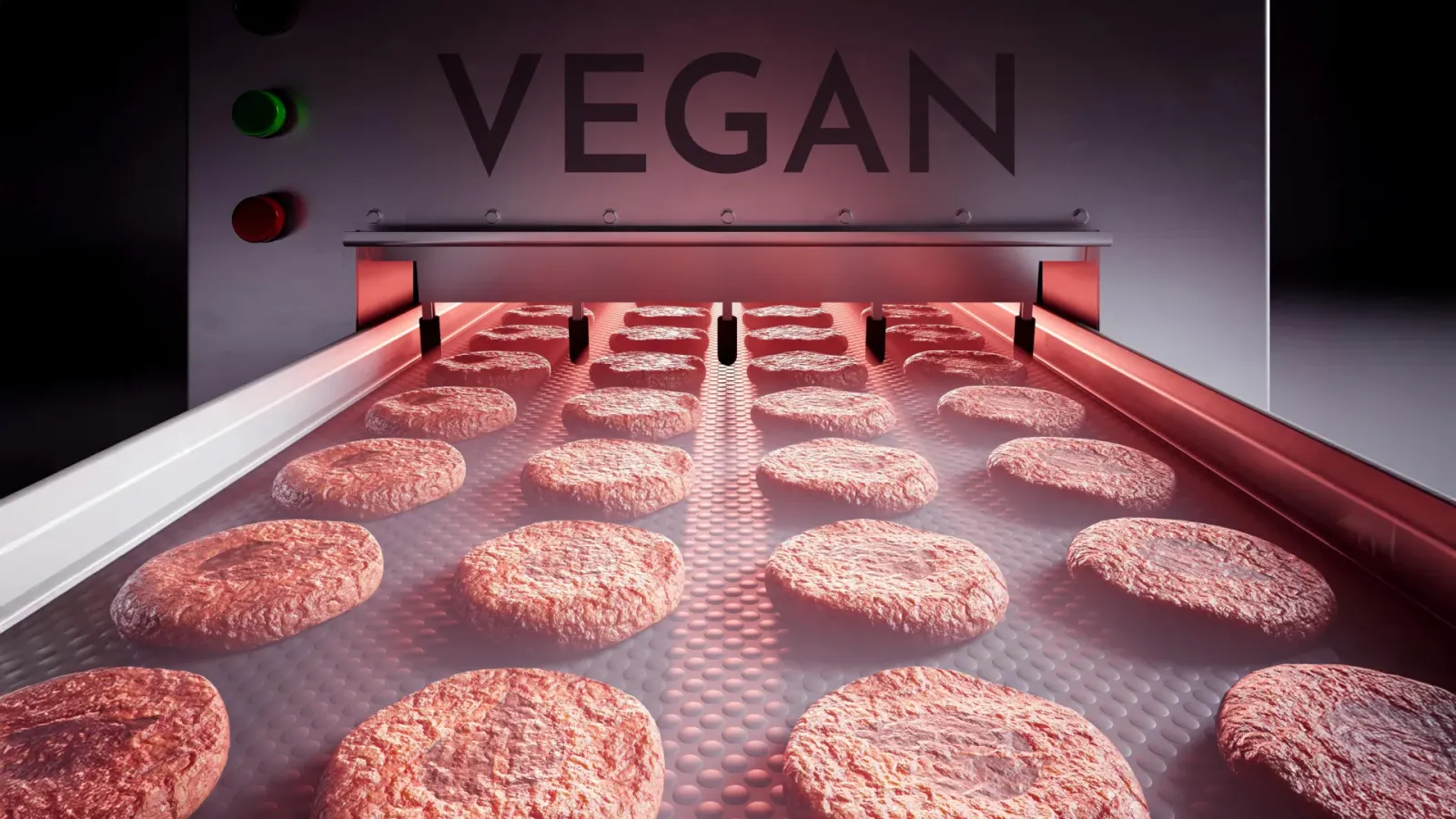
Researchers tested 212 vegan and vegetarian products sold in the UK, including meat alternatives and oat, almond and soy milk, and found every single one contained at least one potentially harmful fungal toxin known as a mycotoxin. For founders, retailers and investors in the plant-based category, that finding converts food safety from a compliance checkbox into a sourcing, testing and disclosure problem sitting directly beneath the growth story.
Researchers tested 212 vegan and vegetarian products sold in the UK, including meat alternatives, oat milk, almond milk and soy milk. Every single one contained at least one potentially harmful fungal toxin. Not most of them. Not a worrying subset. All 212. The compounds are called mycotoxins, and they occur naturally, which is precisely what makes this problem so awkward: you cannot recall your way out of it, and you cannot reformulate your way out of it, because the contamination starts long before the product reaches a factory.
Here is the mechanism. Mycotoxins are produced by moulds that colonise crops both in the field and in storage, and they can contaminate grains, legumes and seeds. Those three categories are, inconveniently, the raw material of almost the entire plant-based aisle. Oats, soy, almonds, wheat, peas and pulses are the building blocks of the category, and they are also the crops that historically carry the highest mycotoxin risk. That is the uncomfortable logic sitting underneath this study. A diet engineered to sidestep one set of concerns may be quietly inheriting another, and the shopper picking up a carton of oat milk has no way of knowing it.
Now the caveat that matters, because it is the difference between a scare and a strategy. Detection is not the same as danger. Regulators in many markets set maximum permitted levels for mycotoxins in food and feed precisely because long-term exposure to certain of these compounds has been linked to health harms. A finding that every sample contained at least one mycotoxin is a detection rate, not a verdict on toxicity, and the source material does not establish that any product breached a legal limit. But a 100% detection rate still tells you something important. This is not a contamination incident at one factory. It looks like a background condition of the supply chain.
That distinction changes who has to act. A single bad batch is a quality problem. A baseline condition is a sourcing problem, and sourcing problems are structural. Plant-based products are typically built from commodity crops traded on global markets, blended across multiple origins, then processed into liquids, powders and extruded proteins. Each additional supplier in that chain is an additional testing gap. For a category whose entire commercial pitch rests on being the cleaner, more considered choice, traceability stops being a marketing line and becomes an operational requirement. The claim on the front of the pack now has to survive a lab test on the batch behind it.
For operators, the near-term bill arrives in three places: testing, specification and disclosure. More frequent mycotoxin screening across incoming ingredients. Tighter supplier specifications with batch-level documentation. And a harder internal conversation about what gets disclosed, and when, if a result comes back hot. Smaller brands feel this most. They typically buy ingredients through intermediaries rather than contracting directly with growers, which means they often have the least visibility and the thinnest margin to absorb new testing costs. Retailers running private-label plant-based ranges have the opposite problem: enormous leverage over suppliers, and their own name on the packaging.
Investors should read this as a diligence item, not a headline. Any thesis built on plant-based volume growth now carries a food-safety variable that most models do not price. The questions worth asking are unglamorous: who tests, how often, at what point in the chain, and what happens to the batch when a result is positive? Companies that can answer those questions in a data room hold a defensible advantage over ones that cannot. Companies that cannot may discover that their fastest-growing product line is also their most concentrated reputational risk.
The broader lesson reaches past vegan food. Modern food supply chains are long, blended and opaque by design, because blending is how you keep costs down and supply steady. Mycotoxins are a naturally occurring consequence of that design, not a scandal invented by a bad actor. That is what makes them a useful stress test. If a category can absorb this finding, publish its testing protocols and keep growing, it earns the trust it has been asking for. If it treats the result as a public relations problem to be managed, the next study will not be about toxins. It will be about credibility.
This story's Key Insights and Take-aways are locked.
Create a free account to unlock Executive Actions for one credit.
Register to UnlockAlways free for Executives Club members. Join the Club
More in Science

Anthropic's I.P.O. Made Rank-and-File Researchers Worth Tens of Millions
Researchers who joined just a few years ago are now worth tens of millions, and the windfall resets the pay benchmark for every private A.I. lab still paying in paper.

Sea Lion Culling Strategy Fails: New Model Says Killing Them Won't Save Salmon
The latest research from AAAS overturn a long-held conservation assumption, forcing policymakers to rethink critical resource allocation in marine ecosystems.

Microplastics do more than pile up: they react with water to damage cells
Scientists have found that plastic particles can generate highly reactive molecules in water, a mechanism that could explain links to heart attacks, strokes, and neurological disorders.