
Aoun's independence-day line: Israel out, Iran out, Hezbollah disarmed
Lebanon's president used his national day speech to link two 'inseparable' obstacles to sovereignty, then doubled down on disarming the Iran-backed militia that has stalled his state for decades.
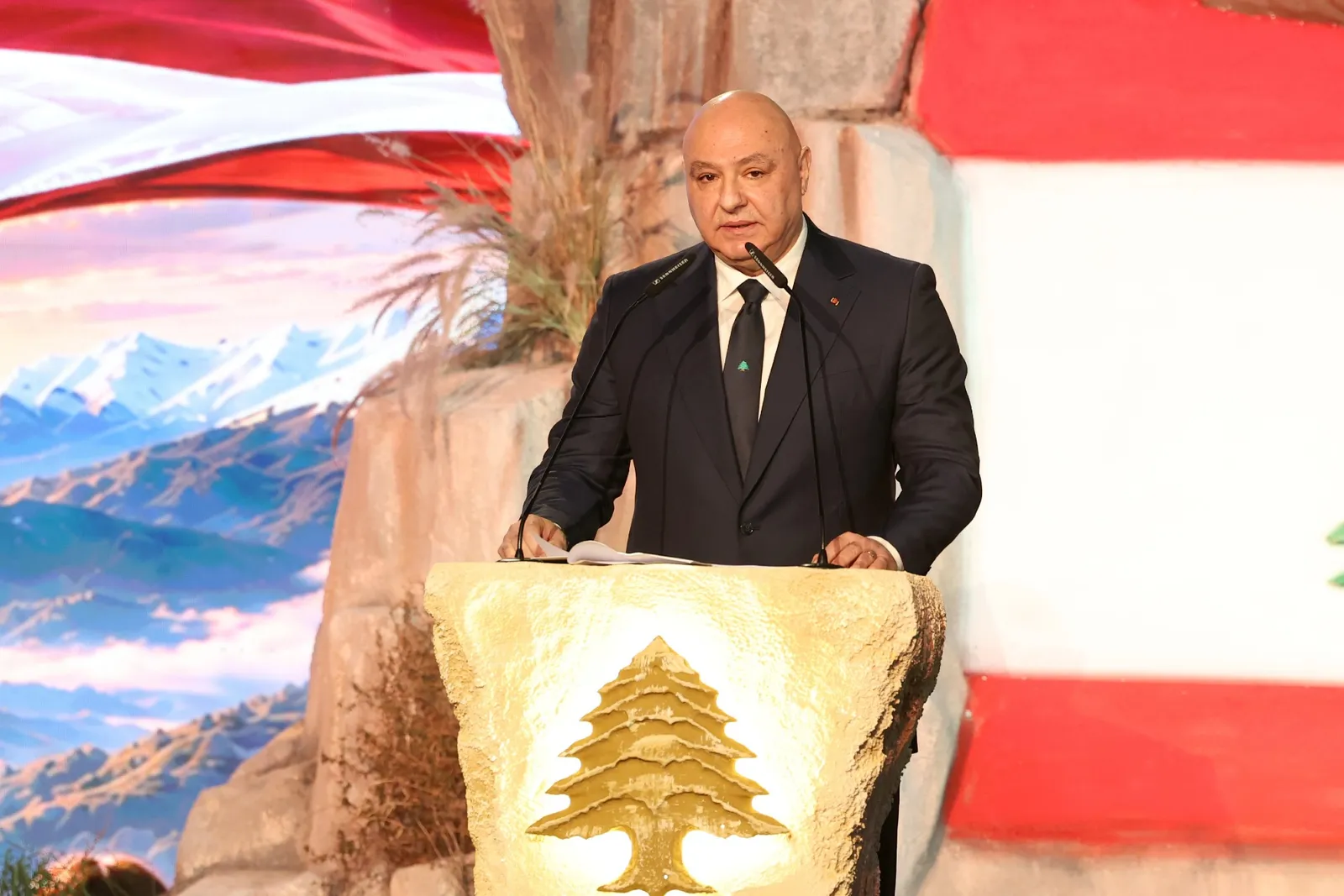
Lebanese President Joseph Aoun used his country's independence-day speech on Saturday to demand an end to Israel's occupation of Lebanese territory and to Iranian interference in Lebanon's internal affairs, calling them 'two fundamental obstacles, inseparably linked.' He also doubled down on his government's push to disarm the Iran-backed Hezbollah militia, a move that turns a ceremonial address into a live test of whether Beirut can convert sovereignty rhetoric into state capacity.
Lebanon's President Joseph Aoun used his country's independence-day speech on Saturday to name the two things standing between Lebanon and real sovereignty, and he named them in the same breath: Israel's occupation of Lebanese territory and Iranian interference in Lebanon's internal affairs. Aoun called them 'two fundamental obstacles, inseparably linked,' and said that as long as both persist, Lebanon cannot fully celebrate its own independence. It was, by any measure, a strongly worded statement of intent to restore the country's autonomy, delivered from the podium where national unity is supposed to be the script rather than the argument.
The second half of the speech was aimed inward. Aoun doubled down on his government's efforts to disarm the Iran-backed Hezbollah militia, folding that disarmament push into the same sovereignty case he had just made about foreign forces. That is the part that will be read most closely in Beirut, Tehran, Jerusalem and Washington. A president standing on independence day and tying a domestic militia's arsenal to his country's claim to full statehood is not making a ceremonial point. He is setting a test, and he is setting it in public.
Pairing Israel and Iran in a single sentence is the diplomatic equivalent of refusing to pick a lane. For years, Lebanon's crises have been narrated through one of two lenses: an Israeli security lens, or an Iranian influence lens. Aoun's framing rejects both as incomplete and insists they are the same problem wearing two faces. That is a harder position to hold than it sounds, because it means the government cannot quietly trade one grievance for relief on the other. It also means Aoun has given his critics on every side a reason to watch him closely, and his supporters a single sentence to rally around.
For context, Hezbollah is both a militia and a political party, and it has been the most consequential non-state armed force in the region for decades. Its weapons have been justified by its supporters as resistance; its critics inside Lebanon have long argued that a state cannot claim a monopoly on legitimate force while a parallel arsenal answers to a foreign capital. The disarmament question has repeatedly stalled Lebanese cabinets, typically because any serious move against the group's arsenal risks internal conflict and external retaliation at the same time. Aoun's government has now publicly attached itself to that effort, which converts a long-running political argument into an active governing commitment.
The Israeli side of the equation is no simpler. Aoun's demand was for an end to Israel's occupation of Lebanese territory, a phrase that carries decades of history and a very specific geography in the south. Sovereignty claims are easy to make from a podium and hard to enforce from a state that does not fully control its own borders. Historically, that gap is where Lebanese politics lives: between what the state declares and what it can actually deliver on the ground. Aoun's speech does not close that gap. It names it.
Money is the quiet third actor in the room. Lebanon's economy has been through a collapse that wiped out savings and gutted the currency, and reconstruction in the south carries a bill the state cannot pay on its own. Historically, external financiers, particularly Gulf states and Western institutions, have conditioned serious money on curbing Hezbollah's role in the state and on credible security arrangements. That gives the speech an economic subtext that matters as much as the diplomatic one: sovereignty language is also fundraising language, and donors read both.
Watch three things from here. First, whether the disarmament push produces a mechanism, a timeline or a cabinet decision, rather than a phrase that sounds like one. Second, whether the Lebanese Armed Forces are given the political cover and the resources to act as the state's enforcer, because a disarmament policy without a capable institution behind it is a press release. Third, whether the security arrangements that have kept the southern border relatively quiet hold while the rhetoric escalates, since border calm and political boldness rarely rise together.
For executives, investors and anyone allocating capital into fragile states, the lesson here is about sequencing. Leaders of small countries squeezed between larger powers rarely get to solve problems one at a time; they get handed packages, and they get graded on whether they can carry the whole thing. Aoun has chosen to name the package out loud, which raises his visibility and his exposure in the same move. The risk is that naming both obstacles at once invites both patrons and adversaries to test him simultaneously. The opportunity is that it makes Lebanon legible again as a state with its own agenda, its own demands and its own red lines, which is precisely what a country needs before anyone writes a check or signs a guarantee.
This story's Key Insights and Take-aways are locked.
Create a free account to unlock Executive Actions for one credit.
Register to UnlockAlways free for Executives Club members. Join the Club
More in Politics
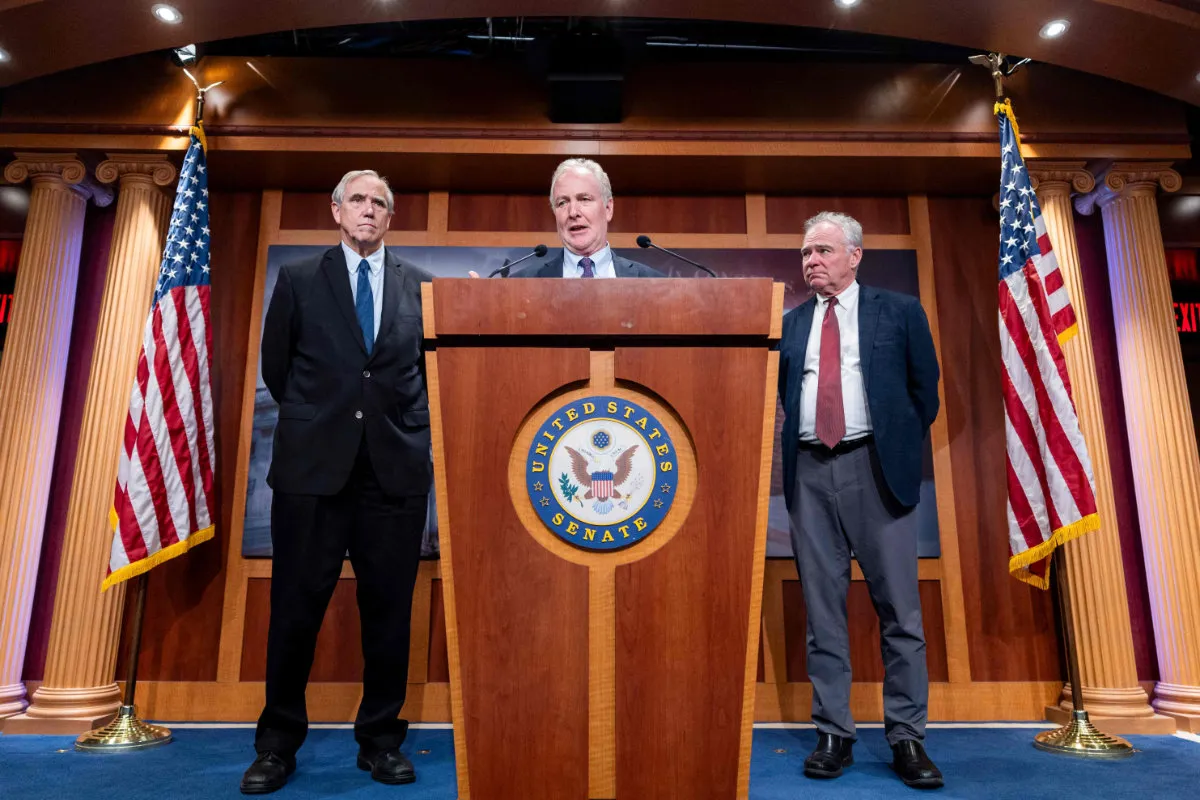
Thirteen Freshman Senators Just Became Chuck Schumer's Toughest Test
Democrats' newest class votes on Senate leadership before being sworn in, and the choice between Chuck Schumer and challenger Chris Van Hollen will set how hard the party fights.
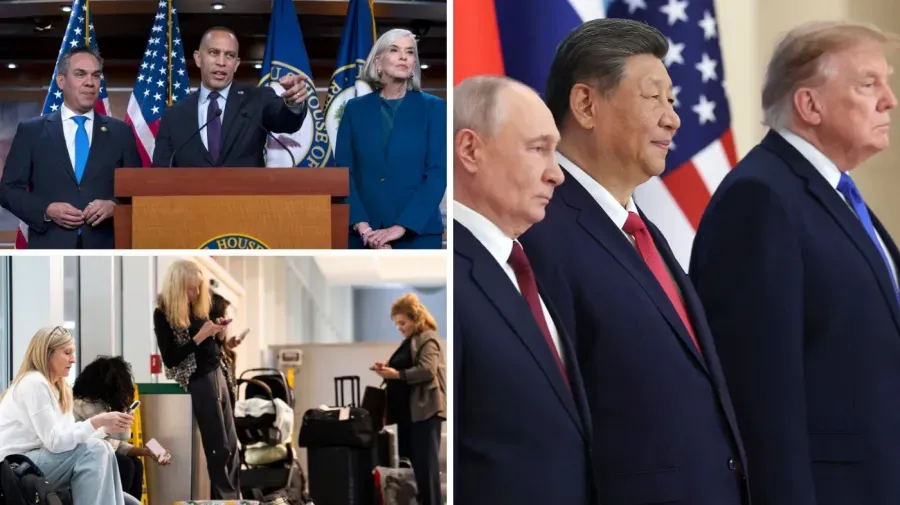
Democrats Nominate Jeffries for Speaker, Teeing Up a Historic First
House Democrats' leadership slate delivers two firsts in one week, and it lands as Trump's security agenda heads to the Sunday shows.
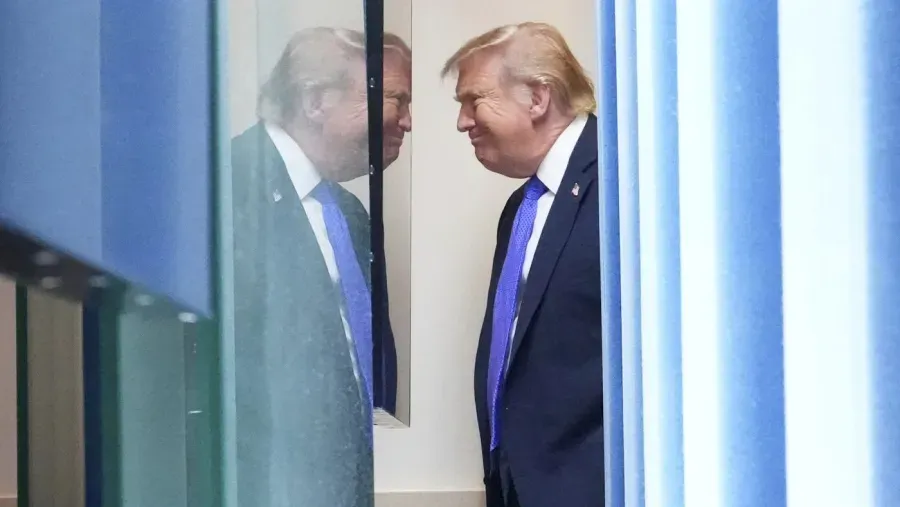
Musk Says He Is 'Not MAGA' as Trump's Coalition Heads for the Exit
The most notable defection yet lands after a midterm thumping, and the question for every operator is how fast the next names follow.