
Apple TV Orders Slow Horses Seasons 9 and 10, Three Pickups in Two Months
Apple TV+ hands Gary Oldman's Jackson Lamb four more seasons before Season 6 has cooled, a bet on library depth most streamers refuse to make.
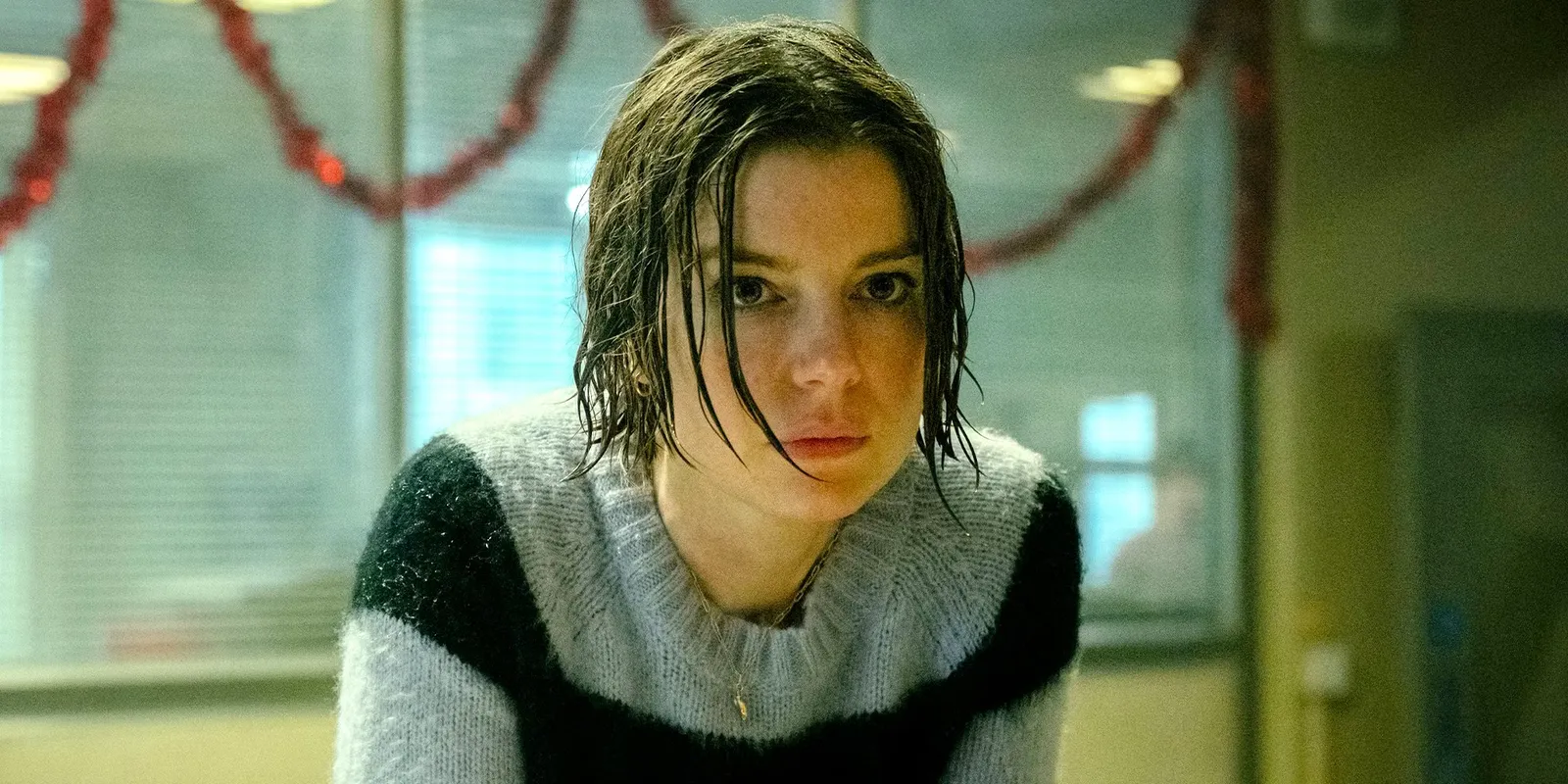
Apple TV has renewed Slow Horses, its Gary Oldman-led spy thriller, for Seasons 9 and 10, less than two months after locking in Season 8. The four-season runway gives the platform unusual certainty on its best spy series and forces rivals to justify why they still renew hits one season at a time.
Apple TV just made a bet that no other streamer has been willing to make. The service renewed Slow Horses, its Gary Oldman spy thriller, for Seasons 9 and 10, and the timing is the story: Season 6 has barely wrapped, and the announcement lands less than two months after Apple had already locked in Season 8. That adds up to four more seasons of Jackson Lamb's trademark grumpiness, and it arrives while the industry's attention was pointed somewhere else entirely. Everyone was busy celebrating a new James Bond. MI5, the fictional version that runs through Slough House, quietly pulled off the bigger shake-up.
Run the timeline and the scale gets strange fast. In September, Apple renewed the show for Season 8. Now, before two months have passed, it has confirmed Seasons 9 and 10 on top of that. For any streamer, that is an unprecedented move, and it is worth being precise about why. Streaming platforms historically buy television one season at a time. A renewal is a bet on one more batch of episodes, priced against the cost of production, the size of the audience, and the option value of walking away. Stacking three seasons inside a single quarter removes almost all of that optionality in one stroke. The question the source poses is the right one: is there a catch, or are things just that good at Slough House?
The default in streaming is one season at a time for a reason. Scripted drama is expensive, casts age into new pay brackets, and a show that peaks in Season 3 can become a liability by Season 6. Historically, the multi-season pickup has been reserved for the safest possible bets: a franchise with a built-in audience, a creator with a proven track record, or a property a platform cannot afford to lose to a rival. Slow Horses fits that profile in a specific way. It is a returning series with a recognizable lead, a defined world, and a fan base that shows up season after season. That is exactly the shape of asset a platform wants to lock down before someone else can bid on it.
For Apple, the payoff is not just ten seasons of one show. It is a library. Streaming economics reward depth: a service with a long-running, well-reviewed series can keep subscribers from churning between tentpole releases, and it can license or bundle that catalogue later. Announcing Seasons 9 and 10 now also does something subtler. It tells the market, and the talent community, that Apple TV+ is willing to commit capital years ahead of delivery, at a moment when many competitors are cutting back on exactly that kind of spending. In a business where confidence is a currency, that signal travels.
Multi-season orders also rewrite the conversation with the people who make the show. When a platform commits to Seasons 9 and 10, it is effectively reserving a lead actor's calendar, a writers' room, and a production pipeline for years. That kind of certainty is rare, and it is valuable. It lets a production plan locations, budgets, and crew without renegotiating from scratch every twelve months. It also raises the stakes on the other side of the ledger: if the audience softens, the platform is on the hook for episodes it has already promised. That is the trade Apple just accepted.
The Bond comparison in the source is not just a cute line. Spy fiction is having a moment, and the two properties sit at opposite ends of the same appetite. One is a global theatrical franchise with a decades-long brand and a casting question that generates headlines on its own. The other is a television series about a grubby corner of British intelligence, staffed by people who have been sidelined. The fact that the smaller, stranger property is the one getting a four-season runway says something about where premium television's advantage now sits: specificity, consistency, and a lead performance audiences will follow.
The open question is whether this becomes a template or a one-off. Every streamer is watching the same data, and most have concluded that long commitments are a risk they cannot carry. If Slow Horses keeps performing, that conclusion gets harder to defend. Rivals with a comparable returning hit now face an awkward internal question: why are we still renewing one season at a time? The answer, historically, has been cost discipline. The counterargument is that certainty is what keeps a show's cast, crew, and audience together, and that losing a proven series to a competitor costs more than over-committing to it.
For executives, the takeaway is not that every show deserves ten seasons. It is that the renewal decision has become a strategic signal, not just a scheduling one. Apple just spent its credibility on a spy thriller that much of the industry treats as a niche British import, and it did so before anyone asked it to. If the bet works, the reward is a decade of programming that competitors cannot replicate quickly. If it does not, the cost is a very public reminder that even the best-reviewed show on a platform is still a bet. Either way, Slough House just became the most interesting test case in streaming.
This story's Key Insights and Take-aways are locked.
Create a free account to unlock Executive Actions for one credit.
Register to UnlockAlways free for Executives Club members. Join the Club
More in Entertainment

GTA 6 banks $3.8bn in one day, torching every launch record
One game just out-earned every video game launch and every single-day film box office haul in history, and the fallout lands on every media CEO's forecast.

GTA VI Racked Up $3.79 Billion in a Single Day, Topping Every Film Ever
A 13-year wait produced a $3.79 billion day, more than any movie has made in its entire run, and it resets the launch math for every studio, streamer, and brand chasing the same attention.

GTA 6 sells 32.5M pre-sales and $3.79B day one, torches 13-year record
Rockstar's sequel didn't just beat Grand Theft Auto V's 13-year-old benchmark; it reset what a launch can be, with 32.5 million pre-sale copies and $3.79 billion in a single day.