
Badenoch defends amputee runner claim as Paralympian says she weaponised him
The Conservative leader is standing by a claim about amputee marathon runners after Richard Whitehead accused her of turning his sporting success into a political prop in the benefits cut fight.
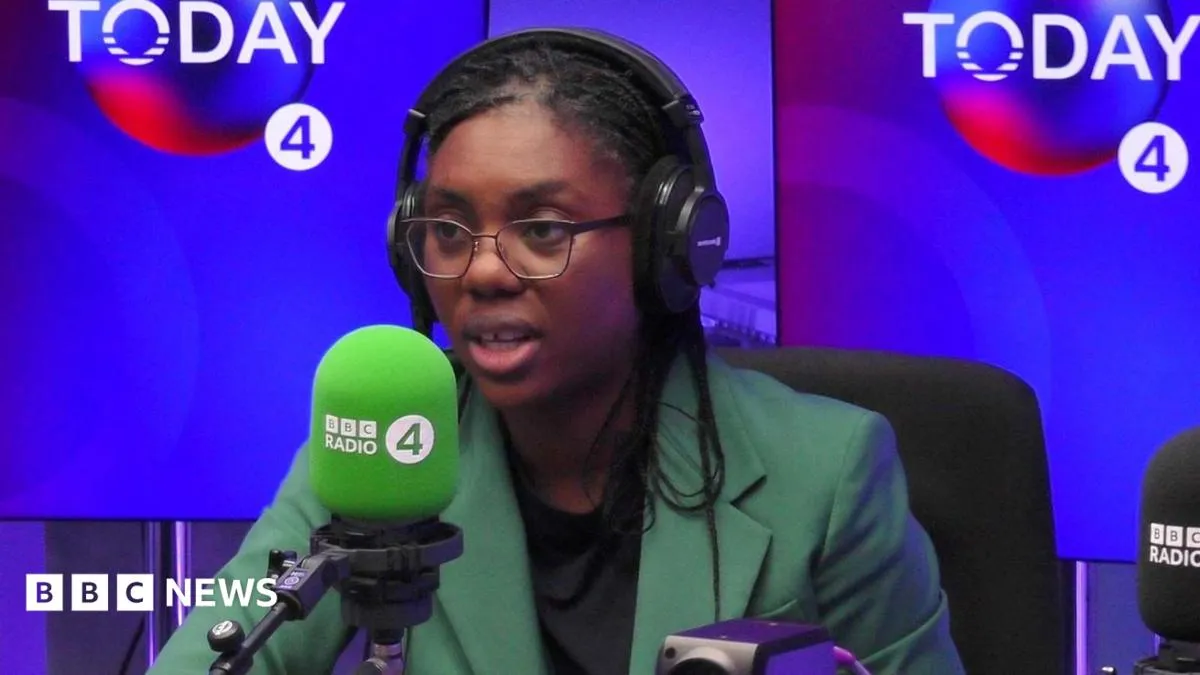
Conservative leader Kemi Badenoch is defending a claim about amputee marathon runners after Paralympian Richard Whitehead accused her of "weaponising" his sporting success in a row over benefits cuts. The clash shows how fast a cited example flips from evidence to liability when the person being cited refuses the framing.
Kemi Badenoch is not backing down. The Conservative leader has defended a claim she made about amputee marathon runners, holding her ground after Paralympian Richard Whitehead accused her of "weaponising" his sporting success. The row sits inside a live political fight over benefits cuts, and it has turned one athlete's career into a proxy argument about who gets to speak for disabled people when welfare spending is on the table.
Whitehead is the named counterweight, and his charge is blunt: that his success on the track has been drafted into a political case he never signed up for. That is the crux of the story. When a politician cites an individual disabled athlete as evidence in a benefits argument, the athlete stops being a person and becomes a data point in someone else's narrative. The most credible voice in that exchange is usually the one who was not asked.
For context, welfare is one of the most reliably explosive subjects in British politics. Both main parties have spent years arguing over the cost of the benefits bill, over how many people are signed off work with long-term conditions, and over whether the system does enough to move people into jobs. Disability benefits sit at the sharpest end of that argument, because the trade-offs are real: money, dignity, work incentives and public services all pull in different directions. Politicians typically reach for human examples to make abstract numbers land. The risk is that the example has a voice of its own.
Welfare reform has also become a fiscal pressure valve for whoever holds power. Governments of both colours have promised to control the bill while promising not to punish the vulnerable, and those two promises have never sat comfortably together. That tension is why a single sentence about amputee athletes can travel so far. It touches the raw nerve: the suspicion that individual stories are being used to justify decisions already made.
That is what makes this particular clash different from the usual Westminster noise. Badenoch, who took over as Conservative leader after the party's general election defeat, is operating from opposition, where the currency is attention and the temptation is to frame arguments in the starkest possible terms. Defending the claim rather than retreating is a deliberate choice. Backing down would hand her opponents a story about a leader who could not stand behind her own words; standing firm keeps the argument about the principle rather than the phrasing. Either way, the athlete stays in the headline.
Whitehead's position is the harder one to manage. A Paralympian and marathon runner, he has spent years building a public profile that runs well beyond race results, and that profile is exactly what makes him useful to a political argument and vulnerable to it. Athletes in his position typically carry sponsorship relationships, charitable commitments and a fan base that spans the political spectrum. Being conscripted into a partisan fight forces a choice no sportsperson wants: stay quiet and look complicit, or push back and get labelled political.
There is a wider lesson here for anyone who runs an organisation. Using an individual's story to make an institutional point is a familiar move in corporate communications too, from the employee featured in a restructuring memo to the disabled worker held up as proof of an inclusion programme. It works right up until the person says they did not consent to the framing. The reputational damage is rarely about the original claim. It is about the moment the subject of the story becomes the author of it.
For the Conservatives, the immediate calculation is whether the row energises the voters they need or confirms the caricature their opponents are selling. For disability campaigners, it is another test of whether benefits debates treat disabled people as participants or as props. For Whitehead, it is a reminder that a personal brand built on resilience is also a political asset that others will try to spend. The one thing all three have in common: the argument is no longer about running.
What to watch next is whether the claim survives contact with scrutiny. If the underlying assertion about amputee marathon runners holds up, Badenoch gets to keep the argument and the row becomes a footnote. If it does not, the story shifts from a dispute about tone to a dispute about accuracy, which is a far worse place for any leader to be. In Westminster, the difference between those two outcomes is usually a single sentence, repeated often enough to become the story. That is the risk Badenoch is carrying, and the reason Whitehead's accusation landed as hard as it did.
This story's Key Insights and Take-aways are locked.
Create a free account to unlock Executive Actions for one credit.
Register to UnlockAlways free for Executives Club members. Join the Club
More in Politics
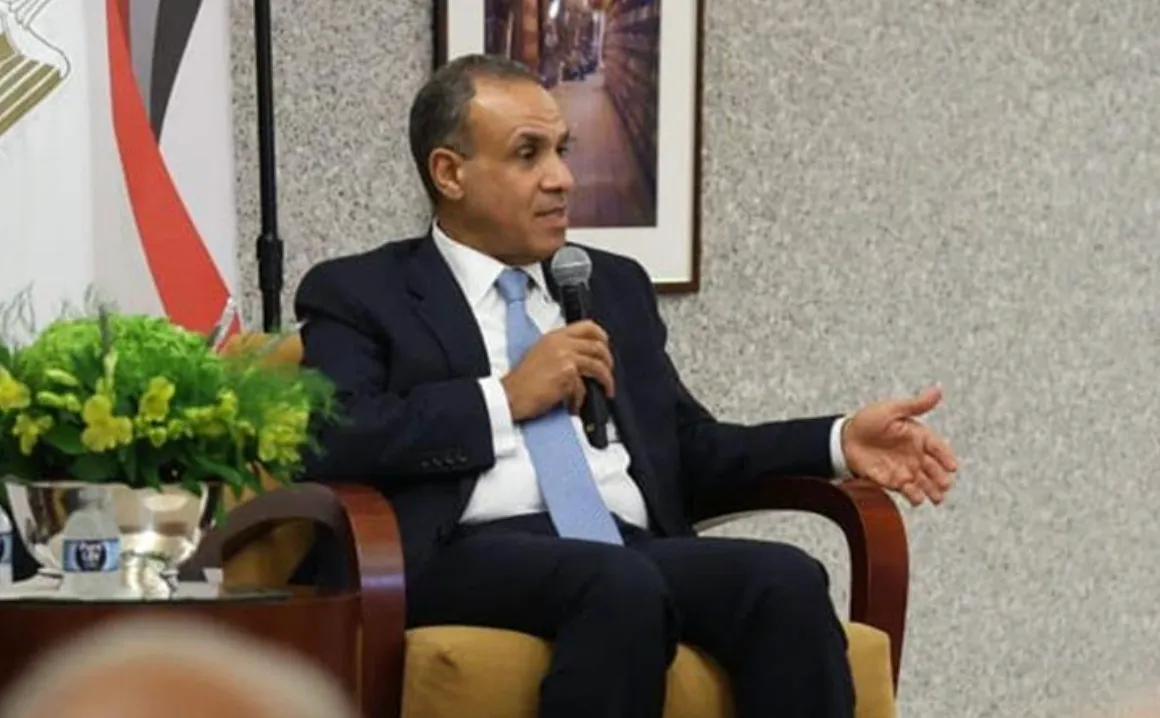
Egypt's foreign minister: Hamas must hand over weapons for Gaza phase two
Badr Abdelatty tells Asharq Al-Awsat that Cairo is pressing Palestinian factions to implement weapons understandings, and that phase two of Trump's Gaza plan hinges on every party, Israel included, meeting its commitments.

Emilija Morrison escaped Neet life. Her new job is just as precarious
A Glasgow graduate with an NCTJ diploma welcomes the government's youth jobs plans, but warns that a paycheque without security is not an exit from Neet life.
Ministers lift gagging clauses at UK data watchdog ahead of culture probe
Staff at the Information Commission can now describe their workplace without contractual silence, and ministers are due to publish the review's terms next week.