
Bezos' Prometheus locks $12B funding for physical AI compute, valuing it at $41B
Prometheus goes bigger and faster, and boards funding robotics and “AI for the real world” should care.
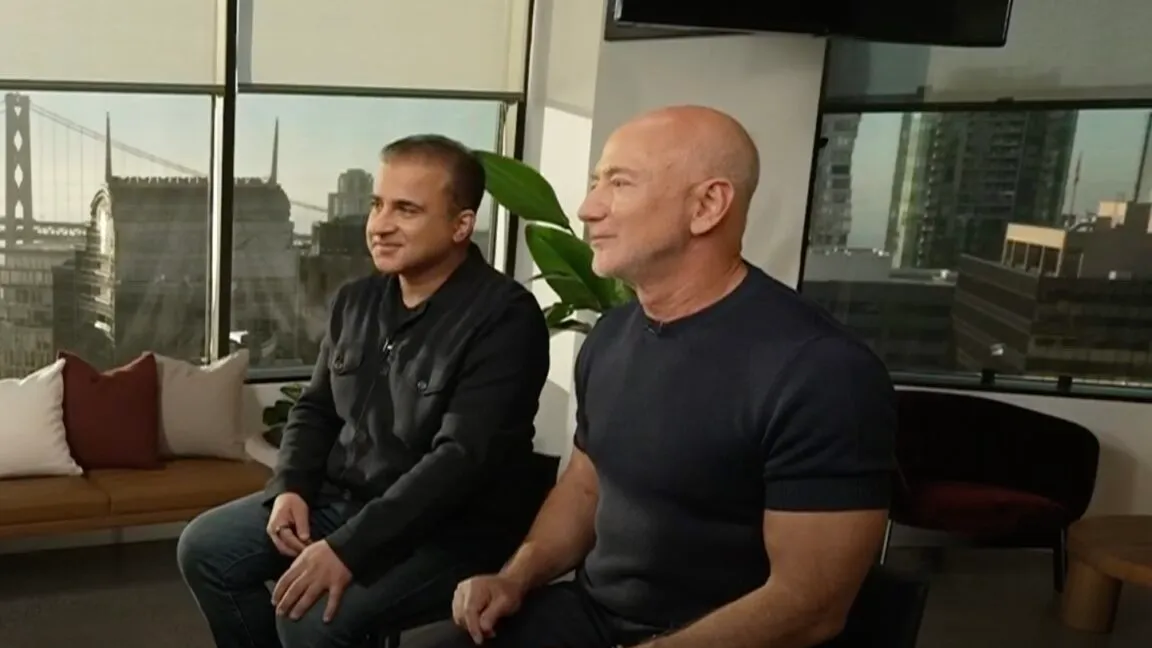
Jeff Bezos, now co-CEO of Prometheus, and co-founder Vik Bajaj say the startup has raised $12 billion, up from $6.2 billion last year, valuing it at $41 billion. The round, backed by JPMorgan Chase, Goldman Sachs, BlackRock and others plus Bezos, targets compute and data for physical AI.
In November, Jeff Bezos announced that he would become co-CEO of a new startup called Prometheus. At the time, it promised “physical AI,” applying the deep learning ideas behind large language models and generative AI to the physical world, like robotics and manufacturing. Now, Prometheus is showing its work, and it is not subtle: it has secured $12 billion in funding, up from $6.2 billion last year, for a valuation of $41 billion.
Bezos and co-founder Vik Bajaj have talked about the plan in slightly more detail alongside this major new round. The startup currently employs 150 people, and much of the new money is headed toward buying compute, because what Prometheus is doing is “very compute-intensive” and requires creating data. Bezos told CNBC that one reason they had to raise a significant amount of funding is precisely that compute and data need.
If you are tracking the “AI moves from screen to factory floor” trend, Prometheus is one of the best-funded attempts to turn that into something tangible. “Physical AI” is an umbrella term, and the core idea is straightforward: instead of generating text or images, you use model-driven approaches to make decisions and actions in environments where physics, sensors, and real-world constraints matter. Robotics and manufacturing are the obvious targets because they are data-rich, operationally expensive, and brutally unforgiving when systems fail.
This round also lands in a market moment where compute is the new bottleneck. Many AI teams can prototype quickly with existing infrastructure, but deploying systems that learn, improve, and generalize over real-world variation is a different story. In the physical world, you need data that reflects reality, and that means runs, experiments, iterations, and the compute to train and possibly continually update models. Prometheus’s explanation to CNBC is basically a business case in one sentence: the work is compute-intensive, and creating that data costs money.
The funding structure is telling too. The round comes from JPMorgan Chase, Goldman Sachs, BlackRock, and others, alongside a sizable amount from Bezos himself. That combination matters because it suggests the startup is not simply raising venture capital for a long shot. It is recruiting serious balance sheets to back a resource-heavy build, which in turn implies higher expectations around execution, milestones, and governance. For boards and major investors, the second question is always: what do you monitor when the limiting factor is compute and data, not a marketing timeline? Prometheus’s current headcount of 150 people gives a clue. This is still early enough to feel startup-like, but large funding and compute spend put it squarely in “scale-up” territory.
Then there is the incentive design, especially with Bezos stepping in as co-CEO. When a founder-operator adds themselves to day-to-day leadership at the same time as a massive financing event, it can concentrate decision-making and speed up the tradeoffs that typically slow physical AI down: choosing datasets, allocating budget across compute and real-world experimentation, and deciding which robot and manufacturing use cases get priority. It also raises the bar on execution because the capital intensity will quickly reveal whether the system is improving or just consuming hardware.
From a regulatory and policy angle, physical AI is where the conversation gets sharper than it does for purely digital models. Even when governments are not directly regulating “physical AI” as a category, robotics and manufacturing touch safety, liability, and workplace implications. In practice, that means companies often need to plan for compliance, auditability, and operational controls, even if the source article does not spell out any specific regulatory pathway. The important takeaway for executives is that the compute and data strategy will also need to be paired with evidence and traceability, because real-world deployment is never just a model problem.
For other teams building in robotics, industrial automation, and AI-enabled manufacturing, Prometheus is a signal about where serious money is going. Not just to “AI research,” but to an approach that assumes heavy investment upfront. Prometheus now has the runway to buy compute and generate data at scale, and that can compound quickly if their training and deployment loop works. But it also compresses timelines for everyone watching: competitors, investors, and potential partners will evaluate faster, because the benchmark has changed. When a startup valued at $41 billion and funded with $12 billion says it is compute-intensive and is raising money for data creation, it is effectively telling the market where the race is happening.
In short, Prometheus is trying to make physical AI operational, not aspirational. With Bezos co-leading and a financing round big enough to reshape its ability to train and iterate, it is moving from a concept announcement into a build phase that can either accelerate the category or expose the real constraints of learning in the physical world.
This story's Key Insights and Take-aways are locked.
Create a free account to unlock Executive Actions for one credit.
Register to UnlockAlways free for Executives Club members. Join the Club
More in Business
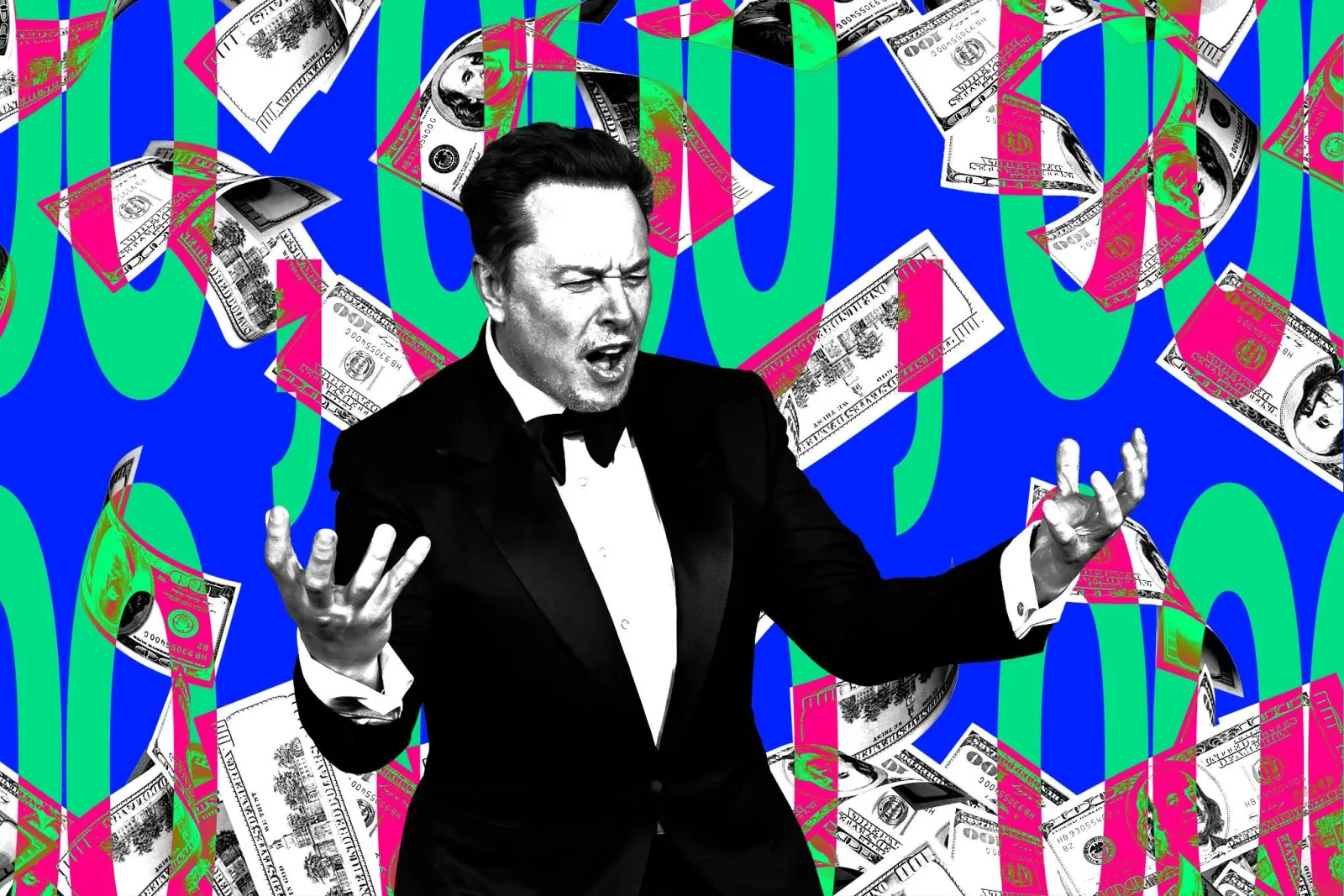
Elon Musk became the world’s first trillionaire after SpaceX IPO lifted him past $1T
SpaceX shares jumped, and Musk’s $800B pre-IPO value crossed a trillion, reshaping how investors price “moonshots.”
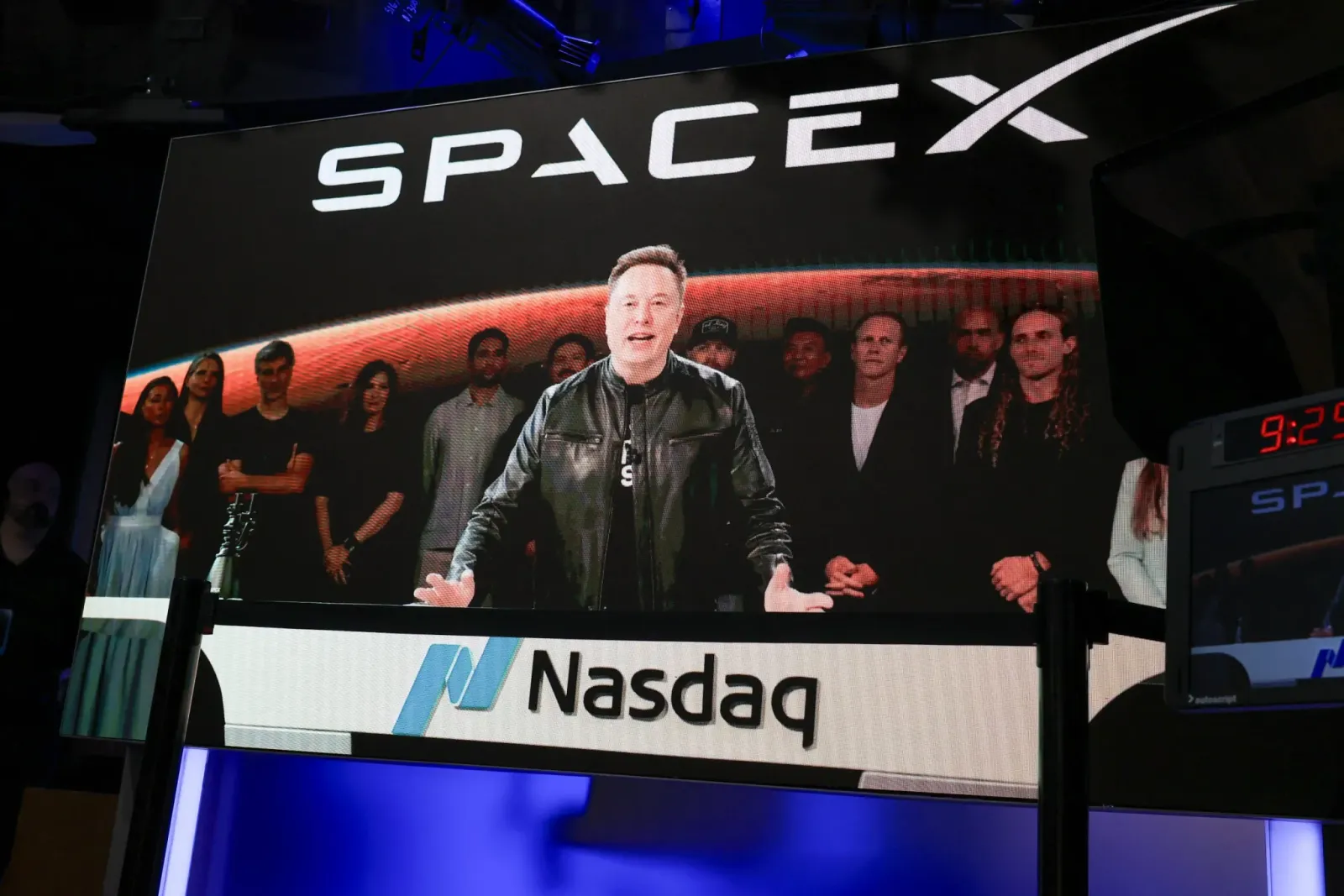
SpaceX stock closes at $161.11 after $2.1T debut valuation shatters expectations
The IPO priced at $135, surged on Nasdaq and Texas, and immediately rewired how executives think about mega-debuts.
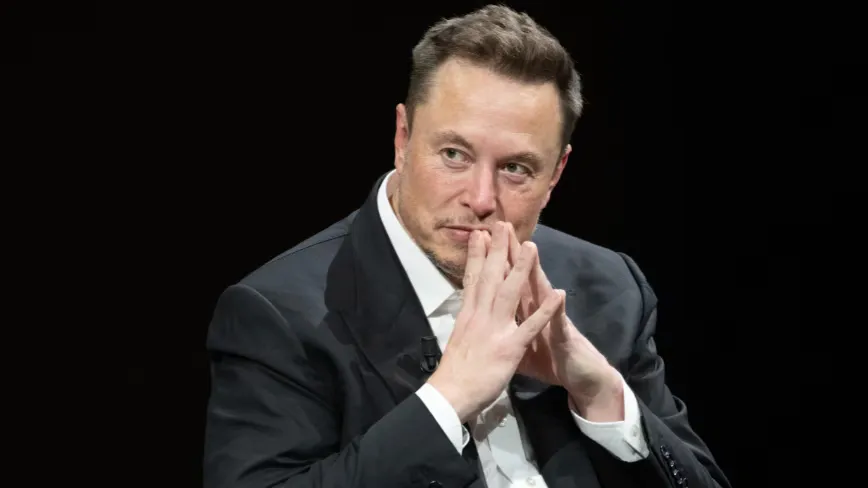
SpaceX IPO priced June 12 at $135: Elon Musk crosses $1T as funds pick up the tab
The SpaceX IPO values the company around $1.77T and estimates Musk’s stake at $866.5B, with broad investor ripple effects.