
Blade Director Says Marvel Cast Actors Before It Had a Script
Bassam Tariq's post-mortem on the scrapped reboot names the real cost of building a cast before the text exists: credibility, and it does not reprice gradually.
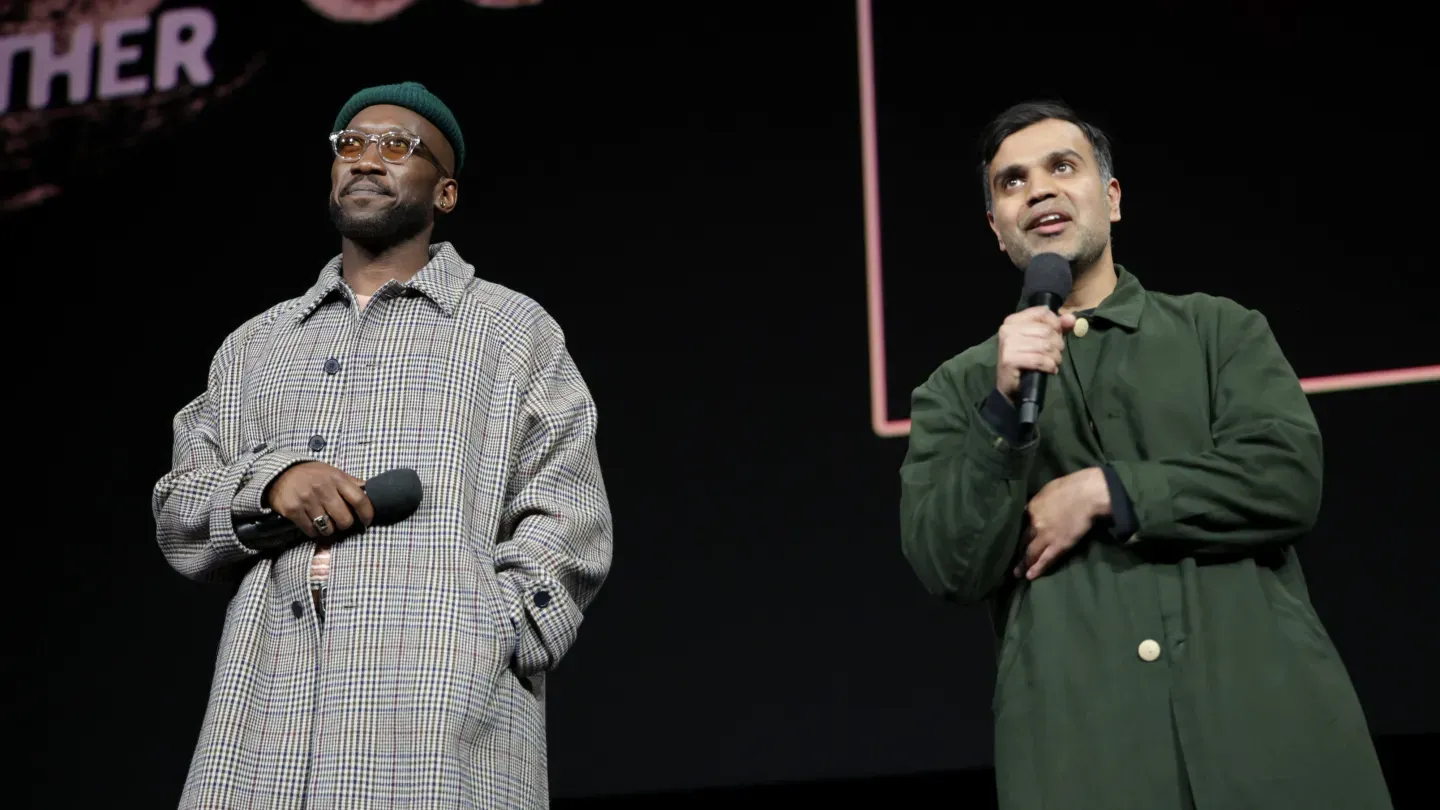
Director Bassam Tariq says Marvel's scrapped Blade reboot began casting and building before a proper script existed, warning that when the finished text does not match the early promise, "your credibility gets completely shot." For studios, producers, and anyone who announces before they build, the episode prices the reputational risk of calendar-first development.
Bassam Tariq has said out loud what much of Hollywood only whispers. The director, who was attached to Marvel's Blade reboot before the studio scrapped it, said in a new interview that the production began casting actors and building the movie before anyone had a proper script. "It was funny and strange to start casting and building without a proper script," Tariq said. Funny, because that is not how films are supposed to get made. Strange, because it happened anyway, on a franchise project with a global release calendar riding on it.
Then he named the bill. "That's also very dangerous because if the text comes and it doesn't add up to what you were saying, your credibility gets completely shot," he said. That is the whole machine in one sentence. Casting is not a private, back-office step. It is a public promise. The moment a name is attached, the studio has told the world what the movie is, who it is for, and roughly what it will feel like. If the script that eventually lands does not match that promise, the audience is not the only one who feels cheated. The director does. The actors do. And the next time any of them pitches something, the track record follows them into the room.
For context, this is not a Marvel-only quirk. Franchise development has, for years, run on a calendar-first logic: a release date gets staked out, a logo gets dropped, a lead gets announced, and the screenplay catches up later. The upside is real. Dates hold theaters, marketing cycles, and merchandising windows in place, and a signed star can pull a project out of turnaround. The downside is exactly what Tariq describes. You are committing capital, contracts, and public expectation to a story that does not exist yet, and every subsequent rewrite has to fight the version you already sold.
The scrapped Blade reboot is the expensive version of that bet. A project that was announced, staffed, and publicly discussed, then shelved, leaves a specific kind of wreckage: development money that never becomes a film, actors whose schedules were blocked for a movie that will not shoot, crew who turned down other work, and a director whose name is now attached to something that does not exist. None of that shows up as a line item called credibility. It shows up later, quietly, in how hard it is to get the next thing greenlit.
Tariq's own framing is the tell. The interview is headlined around his line that life is too short to make sh** films. That is not a complaint about a paycheck. It is a statement about leverage, and about what a filmmaker is willing to trade for scale. Working inside the biggest franchise system in the business buys resources no independent production can touch. It also buys constraints, notes, and a development process that can outlast the people inside it. When a director walks away from that, or watches it collapse, the lesson other directors take is not "avoid Marvel." It is "get the text before you get the cast."
There is a version of this story that applies well beyond film. Every operator who has ever announced a product, hired a team, or signed a customer before the thing actually worked has run the same play. Building in public creates momentum, recruits talent, and forces commitment. It also front-loads the promise. If the substance arrives and does not match the pitch, the damage is not to the product. It is to the person who made the pitch. Credibility is the one asset that does not reprice gradually. It gaps.
That is why the interesting question here is not what happened to one reboot. It is what studios, producers, and talent representatives do differently now. The cheap fix is procedural: do not announce a cast until the script is locked, or at least until it is close enough that the announced names will still make sense in draft three. The expensive fix is cultural: treat the screenplay as the asset that de-risks everything downstream, rather than the last piece to arrive. Marvel, and everyone else running a slate, has a financial reason to prefer the second option. A shelved tentpole is not a write-off you can market your way out of.
For the people who greenlight things, the takeaway is blunt. The order in which you commit, cast, announce, and build is a risk decision, not a scheduling detail. Get it wrong and you do not just lose a movie. You spend the credibility you will need for the next one.
This story's Key Insights and Take-aways are locked.
Create a free account to unlock Executive Actions for one credit.
Register to UnlockAlways free for Executives Club members. Join the Club
More in Entertainment

GTA 6 banks $3.8bn in one day, torching every launch record
One game just out-earned every video game launch and every single-day film box office haul in history, and the fallout lands on every media CEO's forecast.

GTA VI Racked Up $3.79 Billion in a Single Day, Topping Every Film Ever
A 13-year wait produced a $3.79 billion day, more than any movie has made in its entire run, and it resets the launch math for every studio, streamer, and brand chasing the same attention.

GTA 6 sells 32.5M pre-sales and $3.79B day one, torches 13-year record
Rockstar's sequel didn't just beat Grand Theft Auto V's 13-year-old benchmark; it reset what a launch can be, with 32.5 million pre-sale copies and $3.79 billion in a single day.