
Blizzard moves to kill best-in-slot gear before World of Warcraft: Forever raids
With the first raids landing in early December, Blizzard is betting that gear which is strong in the right fight beats gear that is strong forever.
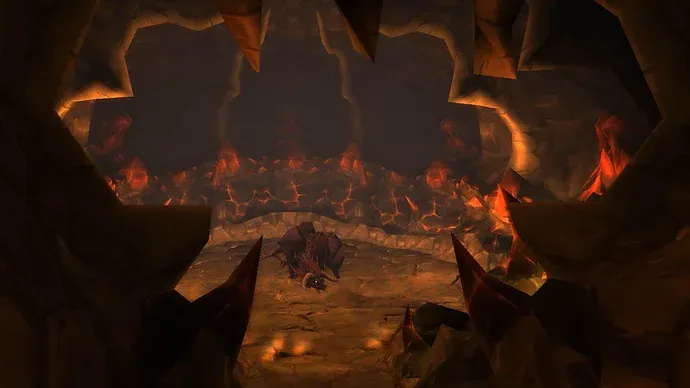
Blizzard's World of Warcraft: Forever developers have said they want to "get rid" of best-in-slot items and replace them with situationally strong gear, ahead of the game's first raids in early December. For anyone running a live-service game, it is a direct test of whether a studio can stretch engagement by making the optimal answer change, instead of letting the community solve the loot table once and log off.
Blizzard's developers have said plainly what they want: to "get rid" of best-in-slot items in World of Warcraft: Forever. The studio has spoken about endgame itemisation and its intent to disrupt the BIS mindset that has sat at the core of the game's progression for years, and the answer is a design change rather than a nerf: gear that is situationally strong instead of universally best. The clock is running. The game's first raids arrive in early December, which means the first real test of that philosophy lands within weeks, in front of one of the most item-obsessed audiences in PC gaming.
For anyone who has never chased a loot table, BIS is shorthand for best-in-slot: the single item, per gear slot, that the community agrees is optimal. Historically, WoW's endgame has been built around that chase. You run a raid, you hope the right piece drops, you compare it against a spreadsheet, and you move on to the next slot. It is a progression system that has powered years of engagement, and it has also produced a predictable side effect. Once the community solves the math, the game's most committed players stop playing the content and start playing the checklist.
That is the problem Blizzard is now naming out loud. If one item is best in every fight, every other item in that slot becomes dead content the moment it drops. Situationally strong gear flips the logic: a piece that is excellent against one boss or one damage pattern and mediocre everywhere else. The intent is to make the question "what do I need for this fight?" rather than "what is the best item in the game?" That is a meaningful shift in how a long-running progression loop is designed, and it is the kind of change that only shows up in the data after players have had a tier or two to game it.
The hard part is not the design, it is the culture. WoW's player base is unusually good at optimising. Third-party simulation tools, community wikis, addons and content creators have historically turned loot into a solved problem within days of a patch, and that ecosystem has its own incentives: guides, tier lists and "is this item worth it" videos all depend on there being a clear answer. Blizzard is effectively asking that ecosystem to accept a fuzzier answer, and asking players to carry more gear, more sets and more decisions into every raid night. Whether that reads as depth or as homework is the whole ballgame.
There is a commercial logic underneath it too. Live-service games live and die on the cadence between content drops, and itemisation is typically one of the cheapest levers a studio has to keep players logging in between patches. A BIS system compresses that engagement: once you have the item, the incentive to run the content evaporates. A situational system stretches it, because the correct answer keeps changing with the encounter. For a game whose model depends on sustained engagement, that is not a cosmetic tweak. It is a retention strategy dressed up as a loot table.
It also lands at a moment when the wider industry is watching. Blizzard sits inside Microsoft's gaming portfolio, and the studio's flagship franchise is one of the most studied live-service operations in the business. Every design decision here becomes a data point for other studios running seasonal or tiered progression games, from looter shooters to competitive card games. If Blizzard can make situationally strong gear feel rewarding rather than punishing, it hands the industry a template for extending content life without shipping more content. If it fails, it hands them a cautionary tale about fighting your own most engaged users.
The early December raids are the first real read. Watch three things: whether the community's theorycrafting apparatus converges on a new best-in-slot answer anyway, whether players embrace carrying multiple sets or revolt against the inventory and cognitive load, and whether engagement holds deeper into the tier than it historically has. Blizzard has said what it wants. The players will decide whether they want it too.
This story's Key Insights and Take-aways are locked.
Create a free account to unlock Executive Actions for one credit.
Register to UnlockAlways free for Executives Club members. Join the Club
More in Entertainment

GTA 6 banks $3.8bn in one day, torching every launch record
One game just out-earned every video game launch and every single-day film box office haul in history, and the fallout lands on every media CEO's forecast.

GTA VI Racked Up $3.79 Billion in a Single Day, Topping Every Film Ever
A 13-year wait produced a $3.79 billion day, more than any movie has made in its entire run, and it resets the launch math for every studio, streamer, and brand chasing the same attention.

GTA 6 sells 32.5M pre-sales and $3.79B day one, torches 13-year record
Rockstar's sequel didn't just beat Grand Theft Auto V's 13-year-old benchmark; it reset what a launch can be, with 32.5 million pre-sale copies and $3.79 billion in a single day.