
Brad Pitt Confirms Ocean's 14 Return, and Filming Has a Start Date
Pitt's return closes the franchise's biggest open question, while his Tarantino-scripted, Fincher-directed Cliff Booth film preps an IMAX-to-Netflix run.
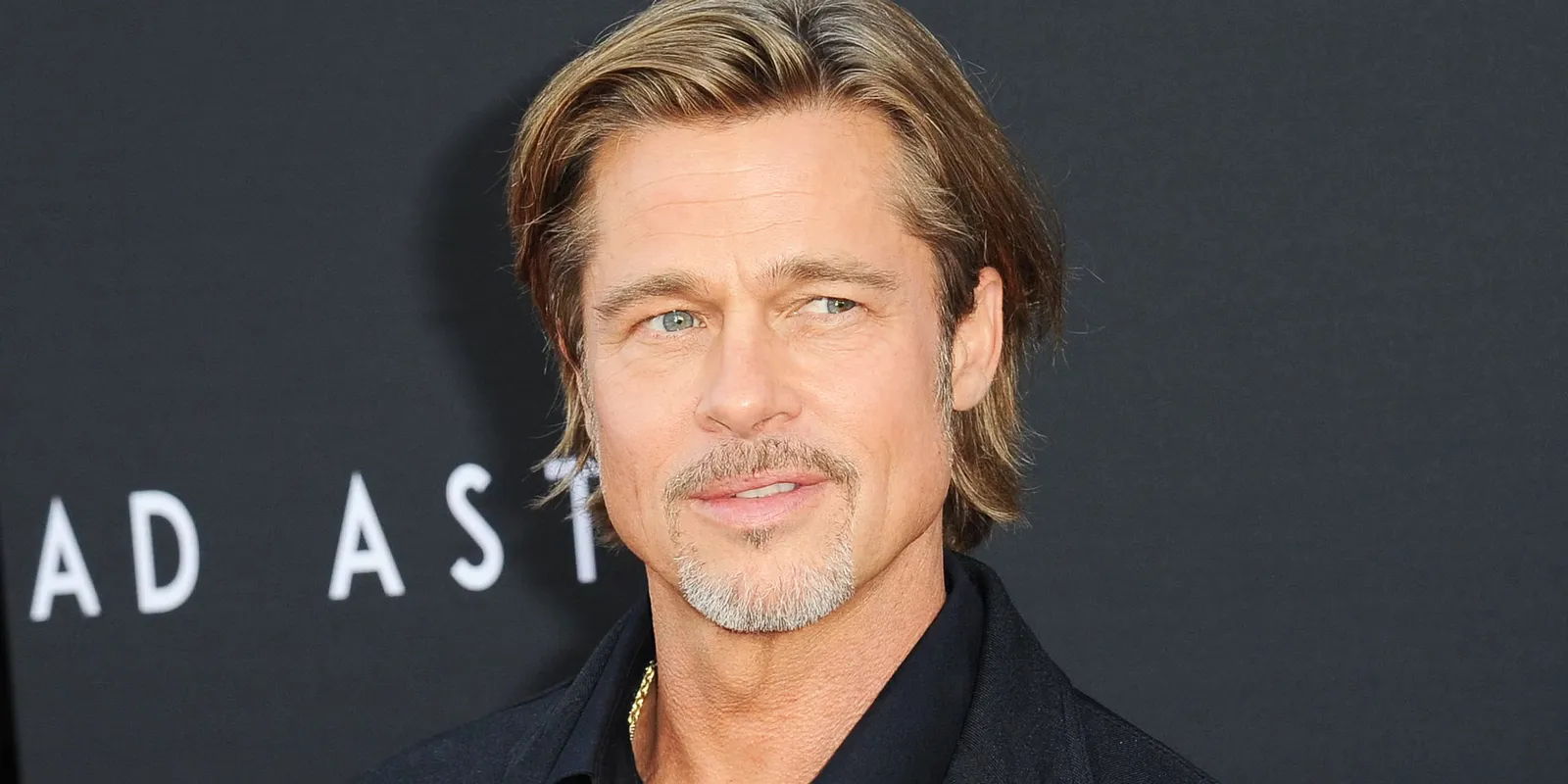
Brad Pitt has confirmed he will return for Ocean's 14 and revealed when the sequel begins filming, ending the franchise's longest stretch of uncertainty since 2018's Ocean's 8. For executives, the move is a case study in how one A-list commitment unlocks casting, budget, and greenlight decisions, and how a compressed IMAX-to-Netflix window is reshaping release strategy.
Brad Pitt is officially back in the game. The actor has confirmed he will return for Ocean's 14, and he has also revealed when the sequel starts filming, closing the biggest open question hanging over one of the more bankable ensembles of its era. For a franchise that has been dormant on the feature side since 2018, the confirmation converts a long-running rumor into a scheduling fact, and scheduling facts are what move talent, crews, and capital in this town.
Why it lands now: Pitt is not a free agent with time to burn. His survival thriller Heart of the Beast is only now beginning its theatrical exit, and his next project, The Further Mis-Adventures of Cliff Booth, is already locked to hit IMAX on November 25 before moving to Netflix on December 23. That film returns viewers to the world of Quentin Tarantino's Once Upon a Time in Hollywood, the movie that helped Pitt win the Academy Award for Best Supporting Actor. Tarantino wrote the script. David Fincher, who previously worked with Pitt on Se7en and Fight Club, is directing. So the Ocean's 14 confirmation arrives in the middle of a Pitt release cycle that is unusually dense, and it tells you something about how he and his representatives are sequencing the next stretch of his career.
For context on the franchise: Ocean's Eleven arrived in 2001 as Steven Soderbergh's remake of the 1960 Rat Pack original, and it turned a heist premise into a star-vehicle machine. Ocean's Twelve followed in 2004 and Ocean's Thirteen in 2007, both with Soderbergh behind the camera and the core ensemble, George Clooney, Pitt, Matt Damon and company, in front of it. The series then spun sideways in 2018 with Ocean's 8, an installment led by Sandra Bullock and Cate Blanchett. Historically, these films have been less about plot than about the pleasure of watching famous people be competent together, which is exactly the kind of product that travels well internationally and ages well inside a streaming library.
That is the commercial logic behind a fourth installment. Legacy IP with a recognizable cast is one of the few things studios and streamers still agree on, because it arrives with built-in awareness and a global audience that does not need to be taught the premise. A-list attachments are the scarce input. Pitt confirming his return is not a small logistical detail; it is the signal that unlocks the rest of the casting conversation, the budget conversation, and the greenlight conversation.
Then there is the windowing story sitting right next to it. The Further Mis-Adventures of Cliff Booth goes to IMAX on November 25 and to Netflix on December 23, roughly a month later. That is a compressed theatrical-to-streaming runway, and it is the template a lot of executives are watching. For exhibitors, it is a reminder that even premium large-format runs are now being used as a launchpad rather than a long exclusive. For streamers, it is evidence that a theatrical beat can function as marketing spend with a revenue offset attached. For talent, it is leverage: a star who can deliver both a big-screen event and a platform premiere is worth more than one who can only do one.
The Fincher factor matters too. Pitt and Fincher have made Se7en and Fight Club together, two films that live permanently in the canon. Director-star partnerships like that are effectively risk mitigation. They compress the trust cycle, they give marketing a narrative that is not just "new movie," and they tend to attract crews and collaborators who want the credit. When a filmmaker of that reputation signs on to a script by Tarantino, the project stops being a curiosity and starts being a priority.
For the executives reading this, the takeaway is about calendar and relationships, not gossip. Pitt's slate shows how a top-tier actor can run a theatrical thriller, a premium-format auteur project, and a legacy franchise in overlapping windows without cannibalizing any of them, provided the release dates are sequenced deliberately. That is a portfolio strategy, and it is the same discipline any company applies to product launches: do not let your own titles compete for the same attention.
The open questions are the ones the confirmation does not answer. Who else returns? Whether Soderbergh comes back is among the details still unconfirmed. What is the budget, and what does the deal structure look like in a market where back-end participation has been renegotiated across the industry? Those specifics will surface over the coming months, and each one will move the story forward. But the first domino, the one everything else depends on, has fallen. Brad Pitt said yes, and he said when.
This story's Key Insights and Take-aways are locked.
Create a free account to unlock Executive Actions for one credit.
Register to UnlockAlways free for Executives Club members. Join the Club
More in Entertainment

GTA 6 banks $3.8bn in one day, torching every launch record
One game just out-earned every video game launch and every single-day film box office haul in history, and the fallout lands on every media CEO's forecast.

GTA VI Racked Up $3.79 Billion in a Single Day, Topping Every Film Ever
A 13-year wait produced a $3.79 billion day, more than any movie has made in its entire run, and it resets the launch math for every studio, streamer, and brand chasing the same attention.

GTA 6 sells 32.5M pre-sales and $3.79B day one, torches 13-year record
Rockstar's sequel didn't just beat Grand Theft Auto V's 13-year-old benchmark; it reset what a launch can be, with 32.5 million pre-sale copies and $3.79 billion in a single day.