
Bryan Freedman Sued: Siblings Say He Silenced Abuse Claims to Shield Jackson Estate
The litigator who defends Michael Jackson's estate is now the defendant, accused of duping siblings into an 'unconscionable agreement' that shielded the estate.
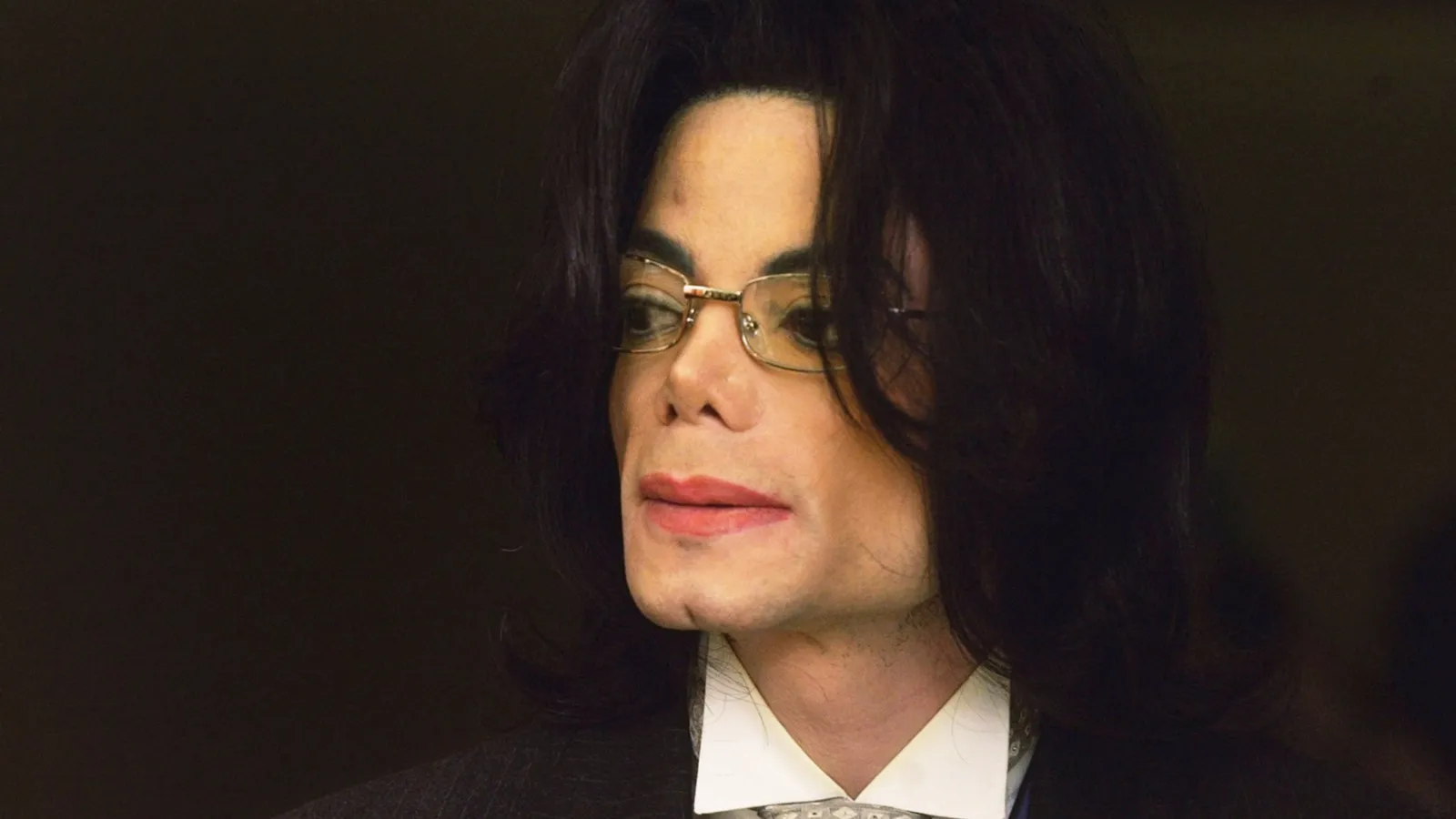
Bryan Freedman, the Hollywood litigator who has represented the Michael Jackson estate, is being sued by siblings who say he duped them into an 'unconscionable agreement' that silenced their abuse claims and shielded the late pop star's estate. For executives and boards, the case shows how fast a settlement broker can become the defendant, turning confidentiality paperwork into personal liability.
Bryan Freedman, the Hollywood litigator who has acted as a legal shield for the Michael Jackson estate, is now the defendant. A new lawsuit reported by Rolling Stone claims Freedman duped siblings into signing what the complaint calls an 'unconscionable agreement' that shielded the late pop star's estate. The same siblings accuse him of silencing their abuse claims.
The allegation is blunt and personal. The plaintiffs are not just attacking a contract; they are attacking the man who drafted it, naming the estate's own lawyer as the party who allegedly did the duping. Rolling Stone's account of the filing describes an agreement the siblings characterize as unconscionable, a legal term of art meaning a contract so one-sided in substance, and so unfair in how it was reached, that a court should refuse to enforce it. That is the heart of the case, and it is why this story travels well beyond one family's dispute.
For context, Freedman is one of the most visible litigators in entertainment, the attorney talent calls when a dispute threatens to become a reputational event. He has been widely reported as the Jackson estate's lawyer in its fight with HBO over the 2019 documentary Leaving Neverland, and in recent years he has become a fixture in celebrity-versus-celebrity litigation, representing high-profile clients in fights that play out as much in headlines as in courtrooms. That dual identity, advocate and dealmaker, sits at the center of the claim against him.
The stakes explain why anyone would want an agreement like this in the first place. Michael Jackson died in 2009, yet his estate has remained one of the most commercially valuable in entertainment, sustained by catalog revenue, licensing, and productions built on his music, including a Broadway musical. A celebrity estate is effectively a brand that must be defended continuously, because an allegation that sticks can dent licensing interest, partnership deals, and long-term catalog value. Historically, that is why estates and their advisers push for airtight confidentiality and release provisions, and why the people on the other side of those agreements later ask whether they understood what they signed.
Unconscionability claims are hard to win, and that matters for anyone tempted to read this as a legal curiosity. Courts typically look for two things: a procedural defect, such as hidden terms, pressure, or the absence of meaningful advice, and a substantive defect, meaning the terms themselves are shockingly one-sided. The siblings' claim leans on both, according to the report: they say they were duped, and they say the resulting agreement shielded the estate from their abuse claims. If a court agrees, the remedy is not a fine. It is unwinding. The contract can be voided, which would put the claims the agreement was built to contain right back in play.
The suit lands inside a broader shift in how the entertainment and corporate worlds treat silence. Since 2018, California and several other states have narrowed the use of confidentiality clauses in settlements of harassment and discrimination claims, part of a post-#MeToo pushback against agreements that bury misconduct. Those statutes typically target employment disputes rather than the private settlements that celebrities and estates negotiate, so the siblings' route runs through contract law, not a statute. But the cultural direction is the same, and it is why confidentiality provisions that once looked routine can now be read as evidence.
That is the second-order problem for every lawyer, agent, and business manager who brokers a sensitive settlement. The professional norm has long been that the client carries the risk while the adviser collects the fee. This complaint inverts that arrangement by making the adviser the defendant, which raises uncomfortable questions for firms about how settlement authority is documented, who obtains the signatures, and whether the attorney drafting the release has a conflict that later becomes the centerpiece of someone else's case. Professional liability insurers who write policies for entertainment attorneys will be watching the outcome closely.
Whether the agreement survives is now a question for a court, and the answer will turn on facts that have not yet been tested. The strategic read, though, is already available. A settlement is only as durable as the paper it is written on, and the person who negotiates it can end up sharing the exposure. For executives, boards, and the advisers they retain, that is the takeaway worth carrying into the next sensitive deal: the shield and the swordsman are not always separable, and when the paperwork is challenged, both can land in the same complaint.
This story's Key Insights and Take-aways are locked.
Create a free account to unlock Executive Actions for one credit.
Register to UnlockAlways free for Executives Club members. Join the Club
More in Entertainment

GTA 6 banks $3.8bn in one day, torching every launch record
One game just out-earned every video game launch and every single-day film box office haul in history, and the fallout lands on every media CEO's forecast.

GTA VI Racked Up $3.79 Billion in a Single Day, Topping Every Film Ever
A 13-year wait produced a $3.79 billion day, more than any movie has made in its entire run, and it resets the launch math for every studio, streamer, and brand chasing the same attention.

GTA 6 sells 32.5M pre-sales and $3.79B day one, torches 13-year record
Rockstar's sequel didn't just beat Grand Theft Auto V's 13-year-old benchmark; it reset what a launch can be, with 32.5 million pre-sale copies and $3.79 billion in a single day.