
Colibactin, an E coli toxin, named top suspect in under-50 bowel cancer surge
Cases of early-onset bowel cancer have doubled in two decades and obesity does not explain it; scientists told MPs a bacterial toxin is now a leading suspect.
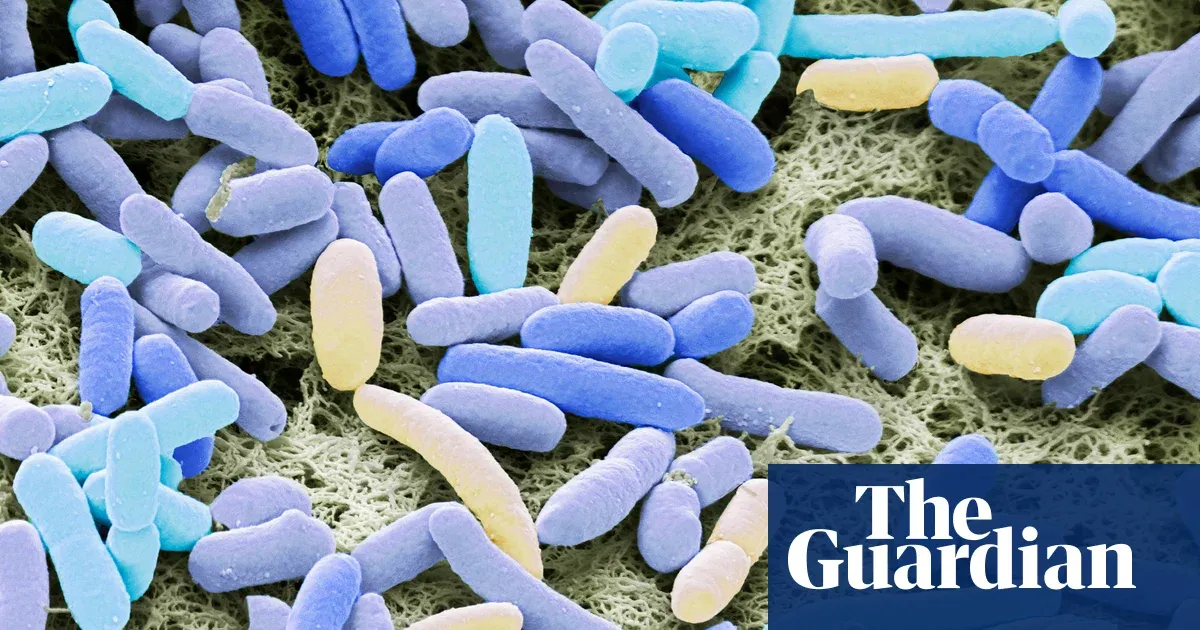
Scientists told a House of Commons committee that colibactin, a toxin produced by E coli, has emerged as a leading suspect in the rise of bowel cancer among people under 50, a group whose case numbers have doubled in many countries over two decades. For decision-makers, the implication is that the exposure driving the trend may occur decades before typical screening begins, which shifts where health systems, employers, insurers and life-sciences investors should look for risk.
Exposure to a bacterial toxin in early life has emerged as a leading suspect in the rise of bowel cancer among people under 50, scientists have told a House of Commons committee. The toxin is colibactin, produced by E coli. The backdrop is blunt: cases of early-onset bowel cancer have doubled in many countries over the past two decades. Rising obesity and a fall in physical activity are contributors, but the researchers told MPs they believe other factors must also be involved. That last clause is the story. When the known risk factors cannot account for a doubling, the search moves elsewhere, and it has moved to the gut and to something that may happen to a person decades before any tumour appears.
Colibactin is not a new discovery. Researchers have long classed it as a genotoxin, a substance that can damage the DNA of the cells it reaches, and it is made by certain strains of E coli that live in the human gut. What is new is the framing. The question MPs heard is not whether colibactin can damage DNA, but whether exposure at a particular moment in life, early on, when cells are dividing and the body's defences are still forming, plants a seed that surfaces as cancer in someone's thirties or forties. That is a very different claim from the usual one about lifestyle accumulated over a lifetime. It moves the clock back. Way back.
That timing is what makes this uncomfortable for health systems. Bowel cancer has historically been treated as a disease of older age, and screening programmes in many countries typically begin around 50, on the logic that risk accumulates with time. If a meaningful share of early-onset cases traces to an exposure in childhood or infancy, then a screening start date of 50 is not a safety net, it is a lag. The people getting diagnosed in their forties may have been carrying the relevant damage for thirty years. Screening catches disease; it does not catch the moment that made it likely.
Why does it matter that this surfaced in a Commons committee rather than a journal? Because committees are where research agendas, screening policy and funding get dragged into the open. MPs hearing evidence on early-onset cancer is a signal that the issue has moved from the lab into the political queue, alongside questions about whether screening ages should shift, whether diagnostics need to be more accessible, and where research money should go. Scientists telling MPs that a bacterial toxin is a leading suspect is also a request, implicit but clear: this hypothesis needs funding and population data to be tested properly.
The second-order effects run wider than medicine. If the microbiome is a genuine driver, the value of prevention shifts toward food safety, antibiotic stewardship and the study of what infants and children are exposed to. Diagnostics companies would face demand for tests that work in younger people, a group that current pathways often do not prioritise. Insurers and employers, who increasingly carry the cost of cancer care and lost working years, would be exposed to a risk pool that is getting younger. And pharmaceutical research, which has spent decades chasing late-stage treatments, would have a new reason to look upstream.
The evidence bar is high, and it should be. A leading suspect is not a cause. Moving from association to causation typically requires large cohort studies that follow people from early life, biomarkers that show colibactin exposure, and replication across populations with different diets, antibiotic use and genetics. The doubling itself is also a puzzle that resists a single explanation: obesity and inactivity are real contributors, but the researchers' point to MPs was that they do not close the gap. Something else is in the room. Colibactin is currently the strongest candidate named in that room.
For anyone running a business that touches health, the practical read is this: the risk window and the screening window are drifting apart, and policy tends to follow the science with a lag. The strategic stakes are the same for peers in every sector that pays for chronic disease, from insurers to employers to health systems. Watch the research, watch the screening-age debate, and watch whether colibactin moves from suspect to established cause. If it does, the conversation about when prevention starts changes for an entire generation.
This story's Key Insights and Take-aways are locked.
Create a free account to unlock Executive Actions for one credit.
Register to UnlockAlways free for Executives Club members. Join the Club
More in Science

Anthropic's I.P.O. Made Rank-and-File Researchers Worth Tens of Millions
Researchers who joined just a few years ago are now worth tens of millions, and the windfall resets the pay benchmark for every private A.I. lab still paying in paper.

Sea Lion Culling Strategy Fails: New Model Says Killing Them Won't Save Salmon
The latest research from AAAS overturn a long-held conservation assumption, forcing policymakers to rethink critical resource allocation in marine ecosystems.

Microplastics do more than pile up: they react with water to damage cells
Scientists have found that plastic particles can generate highly reactive molecules in water, a mechanism that could explain links to heart attacks, strokes, and neurological disorders.