
Columbus Said 'Home Alone' Was Over. Minutes Later, Disney Announced a New One.
The director of the 1990 original told Variety the franchise "can't happen" after Catherine O'Hara's death, minutes before sources confirmed Disney is developing a new installment with Macaulay Culkin.
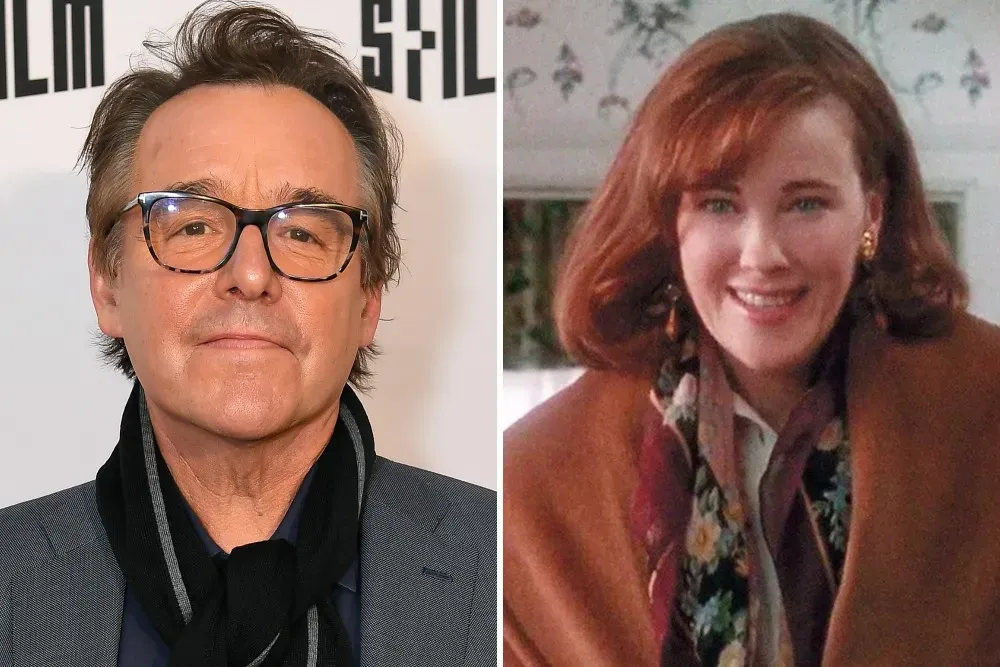
Chris Columbus, director of 1990's "Home Alone," told Variety another film "can't happen" after Catherine O'Hara's death and, per sources, had no knowledge that Disney was about to announce a new installment with Macaulay Culkin. For executives managing legacy IP, the episode is a live case study in how revival economics and talent relationships collide when originators learn about their own franchises from the press.
Chris Columbus, the director of 1990's "Home Alone," sat down with Variety minutes before Disney's plan became public. According to sources, he had no knowledge that a new installment, developed with Macaulay Culkin, was in the works or about to be announced. The man who directed the film that made Culkin a global star learned the franchise was moving forward the same way the rest of us did. That detail, not the sequel itself, is the story. It is also a live case study in how legacy intellectual property gets revived: quietly, in deal rooms, with the original creators often finding out from the press rather than from the studio.
The timing is what makes it land. In that same Variety conversation, Columbus said another "Home Alone" movie "can't happen" after the death of Catherine O'Hara, who played Kate McCallister, Kevin's mother, in the original and in 1992's "Home Alone 2: Lost in New York." His point was not logistical. It was emotional: the McCallister family worked because of a specific ensemble, and O'Hara was the warm, frantic center of it. Minutes later, the announcement dropped anyway. Read those two facts together and you have the whole modern franchise dilemma in a single news cycle. The people who made a property matter, and the people who own it are answering to a different set of incentives.
For context, the original "Home Alone," written and produced by John Hughes and directed by Columbus, turned Culkin into one of the most famous children in the world and became one of the defining box office hits of its year. The 1992 sequel reunited the core cast and repeated the trick. Everything after that, including 1997's "Home Alone 3" and Disney's 2021 streaming entry "Home Sweet Home Alone," moved on without the original creative team and without Culkin. The pattern is familiar across Hollywood: when a franchise's stars age out or step away, the studio keeps the title and rebuilds around it. What is different here is that Disney is going back to Culkin, the original star, while the original director says he was not looped in.
The logic for Disney is not hard to reverse-engineer. Nostalgia is one of the few reliably bankable assets in a fragmented attention economy, and a recognizable title with a known star is cheaper to market than an unproven idea. A "Home Alone" installment pulls double duty: it feeds the slate and it refreshes a catalog property that historically generates revenue every December regardless of what the company does. Legacy IP also carries a governance dimension. Boards under pressure to show durable franchise pipelines tend to favor titles with proven recognition over original bets, which is exactly why revivals keep getting greenlit even when the creatives who built them have moved on.
So why would a studio not tell the original director? The standard answer is leaks and leverage. Early development is fragile: casting is unconfirmed, budgets are unfixed, and every additional conversation widens the circle of people who could talk. Studios also avoid handing a legacy creator veto-like influence before terms are set. The cost is reputational. When a director of Columbus's stature says a film "can't happen" and then a film is announced, the studio absorbs an optics hit it did not need to take. In an era where talent, not just IP, drives audience trust, that is a real line item.
The O'Hara question is the one Disney will eventually have to answer in public. Kate McCallister is not a background character; she is the emotional engine of the first two films, and her absence raises a creative problem that no amount of casting solves cleanly. A new installment can recast, write around, or pay tribute. Each choice carries a different risk, and audiences are quicker than ever to detect a cash grab dressed as homage. That is the trap of the nostalgia trade: the same familiarity that guarantees attention also guarantees scrutiny.
For executives outside Hollywood, the pattern transfers. Any company monetizing a legacy brand, whether a consumer product, a sports franchise, or a founder-built platform, faces the same fork. Move fast and keep the originators at arm's length, or move slower and keep them inside the tent. The first is faster and cheaper until it is not. The second costs time and some control, and it buys the thing money cannot manufacture: the credibility of the people who made the original thing worth reviving.
What to watch now: whether Columbus is brought in later, whether Culkin is starring or producing, how the film handles O'Hara's character, and whether Disney frames the project as continuation or reboot. Each answer tells you how much the studio values the relationship versus the asset. The announcement already told you which one it prioritized first.
This story's Key Insights and Take-aways are locked.
Create a free account to unlock Executive Actions for one credit.
Register to UnlockAlways free for Executives Club members. Join the Club
More in Entertainment

GTA 6 banks $3.8bn in one day, torching every launch record
One game just out-earned every video game launch and every single-day film box office haul in history, and the fallout lands on every media CEO's forecast.

GTA VI Racked Up $3.79 Billion in a Single Day, Topping Every Film Ever
A 13-year wait produced a $3.79 billion day, more than any movie has made in its entire run, and it resets the launch math for every studio, streamer, and brand chasing the same attention.

GTA 6 sells 32.5M pre-sales and $3.79B day one, torches 13-year record
Rockstar's sequel didn't just beat Grand Theft Auto V's 13-year-old benchmark; it reset what a launch can be, with 32.5 million pre-sale copies and $3.79 billion in a single day.