
Culkin Expected Back as Kevin McCallister in Disney's New 'Home Alone'
Disney is reviving its most valuable holiday franchise with the original star and two of comedy's most bankable producers, a nostalgia bet every studio with a dusty vault will be watching.
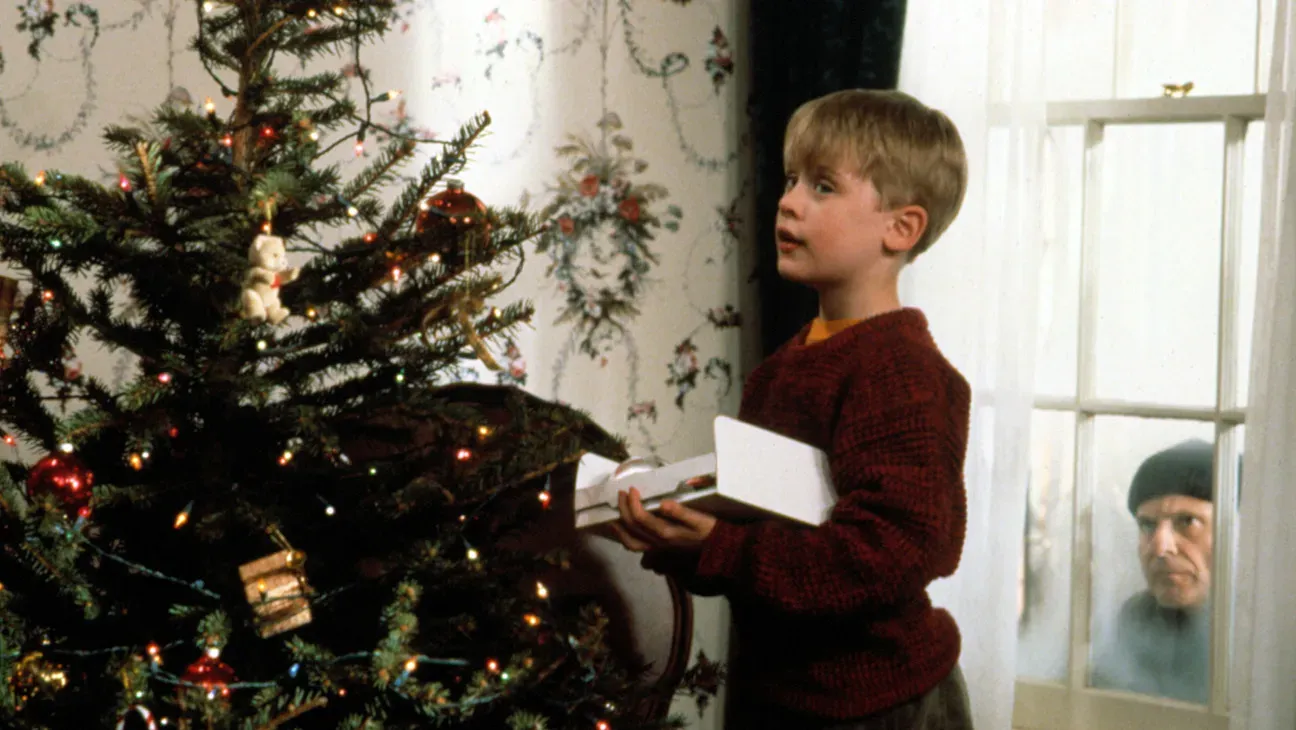
Macaulay Culkin is expected to reprise his role as Kevin McCallister in a Home Alone sequel in development at Disney, with Seth Rogen and Evan Goldberg writing and producing. For media executives, the package is a live test of whether original-star nostalgia can reliably convert dormant catalog IP into event programming.
Macaulay Culkin is expected to reprise his role as Kevin McCallister in a new Home Alone sequel in development at Disney, with Seth Rogen and Evan Goldberg writing and producing, The Hollywood Reporter reported. The word "expected" is doing real work in that sentence: this is a package in motion, not a closed deal. But the shape of it is already clear, and it is a striking one. Disney is reaching back into the most valuable holiday property it owns and pairing the original star with two of the most commercially reliable comedy producers working today.
The franchise math explains the urgency. Home Alone arrived in 1990 with John Hughes writing and Chris Columbus directing, and it turned a reported budget of roughly $18 million into just under $500 million at the worldwide box office. It made Culkin, then 10 years old, one of the most famous children on the planet. Home Alone 2: Lost in New York followed in 1992 with the same core team. What came after did not: a third film in 1997 without Culkin, a fourth in 2002, a fifth in 2012, and a 2021 Disney+ reboot, Home Sweet Home Alone, that drew poor reviews and is remembered mostly as a cautionary tale about reviving a beloved title without its original star.
Disney owns this library because of the 2019 acquisition of most of 21st Century Fox's assets, a deal valued at roughly $71 billion that handed it the Fox film and television catalog. That is the quiet engine behind a lot of Disney's current strategy: when you buy a studio, you buy its back catalog, and a back catalog is only worth what you do with it. Home Alone has sat largely dormant on the film side since that deal closed. This project is what waking it up looks like.
Rogen and Goldberg are the other half of the bet. The duo has been writing and producing together for two decades, with credits including Superbad, Pineapple Express, This Is the End and Neighbors, and they run Point Grey Pictures. Their signature is irreverent, R-rated-adjacent comedy built on characters who behave badly and get away with it, which is, if you squint, close to the Kevin McCallister formula. The open question is tone. A Home Alone film is a family four-quadrant property, and the interesting creative tension here is how two producers known for pushing boundaries calibrate for a PG audience. Disney is not hiring them for restraint.
Culkin's involvement is the part that turns a project into an event. He has stayed away from the franchise since 1992, and his return is the single asset no amount of casting can substitute for. Nostalgia casting works when the original performer carries genuine affection with the audience, and it fails when it reads as a paycheck. That is the risk Disney is underwriting, and it is why the studio would rather wait for the real Kevin than build around a replacement, which is precisely what the 2021 reboot tried.
There is a broader pattern here that matters beyond one movie. Studios have spent the past decade mining their own catalogs, and the results split cleanly: revivals that bring back the original cast and creative team tend to generate genuine event status, while those that swap in new faces tend to be read as imitations. That distinction is now well enough established that talent knows it. Stars attached to a legacy property hold unusual leverage, because their participation is the thing that separates a revival from a remake, and buyers price that difference in.
The economics of this kind of project are well understood by now. Legacy IP is the cheapest marketing a studio can buy: audiences arrive already knowing the title, the theme song and the premise, which lowers the cost of convincing them to show up. Historically, that advantage has been strongest in theaters, where a recognizable brand can carry a holiday release, and weaker on streaming, where a title can disappear into a library. The source reporting does not say whether this film is destined for theaters or Disney+, and that single decision will shape how the project is judged.
For executives watching, the playbook here is worth studying regardless of how the film turns out. Package a dormant property with its original star and a proven producing team, and you have converted a line item in the catalog into a development priority with built-in awareness. The same logic is available to anyone sitting on a vault: the asset is not the title, it is the audience's memory of the title. The things to watch next are whether Culkin's deal closes, who directs, and where it lands. Each of those answers tells you how confident Disney actually is.
This story's Key Insights and Take-aways are locked.
Create a free account to unlock Executive Actions for one credit.
Register to UnlockAlways free for Executives Club members. Join the Club
More in Entertainment

GTA 6 banks $3.8bn in one day, torching every launch record
One game just out-earned every video game launch and every single-day film box office haul in history, and the fallout lands on every media CEO's forecast.

GTA VI Racked Up $3.79 Billion in a Single Day, Topping Every Film Ever
A 13-year wait produced a $3.79 billion day, more than any movie has made in its entire run, and it resets the launch math for every studio, streamer, and brand chasing the same attention.

GTA 6 sells 32.5M pre-sales and $3.79B day one, torches 13-year record
Rockstar's sequel didn't just beat Grand Theft Auto V's 13-year-old benchmark; it reset what a launch can be, with 32.5 million pre-sale copies and $3.79 billion in a single day.