
Disney Taps Seth Rogen for Home Alone Sequel with Macaulay Culkin
The studio is betting big on nostalgia, bringing in top comedic talent to revitalize a beloved IP for the modern era.
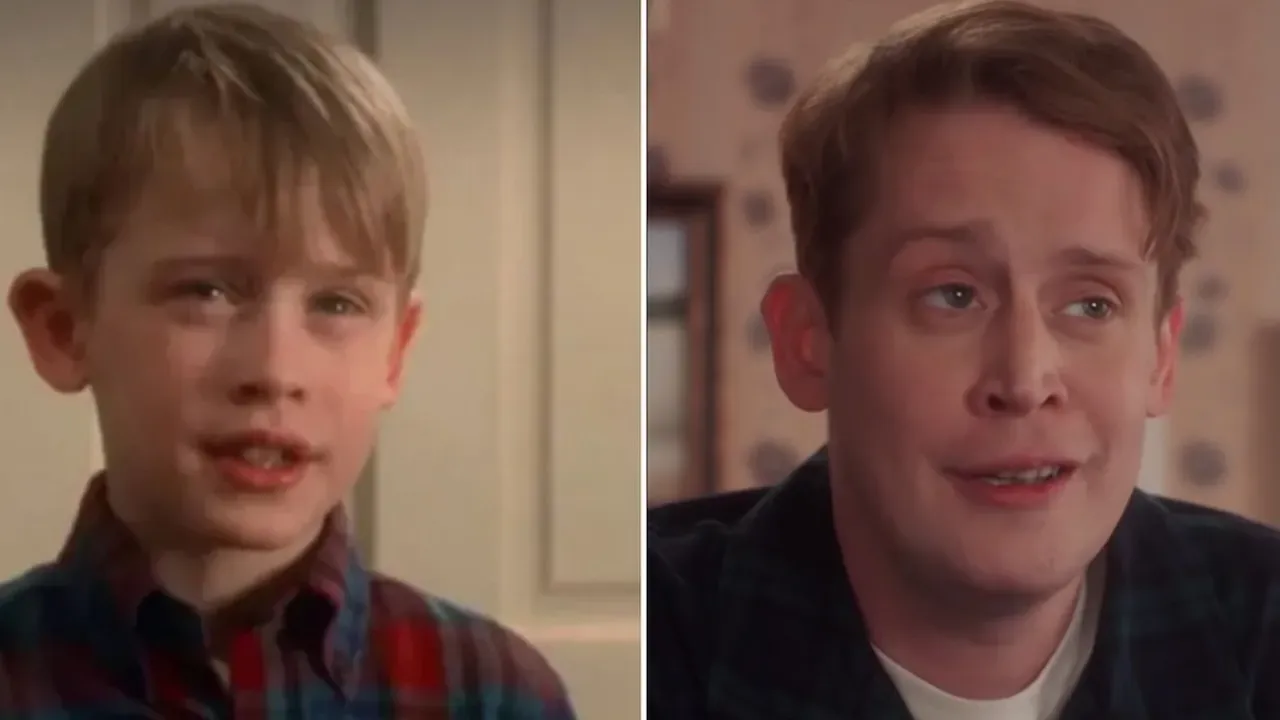
Disney has officially greenlit a sequel to Home Alone, securing Macaulay Culkin to star and bringing producers Seth Rogen and Evan Goldberg onto the project. This move signals a strategic pivot to aggressively monetize established intellectual property within the highly competitive streaming and theatrical landscape.
The news is out: Disney is moving forward with a sequel to Home Alone, and they aren't just bringing back the original star. Macaulay Culkin is officially attached to the project, and the studio has brought in a powerhouse creative team led by producers Seth Rogen and Evan Goldberg. This isn't just another nostalgia cash grab; it is a calculated move by Disney to leverage one of its most enduring and globally recognized intellectual properties (IP) in a market where reliable, high-concept content is the ultimate currency.
For decision-makers, this development is a clear signal about the enduring value of IP ownership. Disney isn't just looking for a box office hit; they are looking for a franchise engine. By pairing the established, beloved character of Kevin McCallister with the comedic sensibilities and production track record of Rogen and Goldberg, the studio is attempting to bridge the gap between beloved childhood memories and modern, adult comedic appeal. The stakes are high: the sequel must satisfy the core audience while offering enough fresh material to justify a new production budget and compete against the endless stream of original content being churned out by rivals.
To understand the weight of this decision, you have to look at the economics of IP in the current media climate. Disney owns the rights to Home Alone, which means they control the entire ecosystem: the merchandising, the streaming rights, the theatrical window, and the global brand recognition. This ownership is the ultimate moat. When a studio owns the IP, they control the narrative, the revenue streams, and the long-term brand equity. The decision to proceed with a sequel, even one that has been dormant for decades, is a testament to the perceived residual value of the brand. The brand recognition alone provides a massive head start that few new concepts can ever achieve.
Now, let's talk about the creative heavy hitters. Bringing in Seth Rogen and Evan Goldberg is a significant strategic move. These two have a proven track record of delivering commercially successful, high-concept comedies that resonate with a broad demographic. They understand the rhythm of modern comedy, the appeal of relatable characters, and the mechanics of a marketable premise. Their involvement suggests that Disney is not just looking for a simple rehash of the original film. They are looking for a comedic upgrade. They are tasked with navigating the minefield of sequel fatigue, ensuring the new material doesn't feel like a pale imitation of the 1990 classic, but rather a worthy successor that respects the source material while offering new comedic territory.
This project also speaks volumes about the current state of Disney's content strategy. In an era defined by the streaming wars and the constant pressure to deliver tentpole content, Disney needs reliable anchors. Franchises like Home Alone are those anchors. They are proven concepts that have a built-in audience, a global footprint, and a clear path to merchandising gold. The challenge for the studio is to balance the inherent risk of sequel disappointment against the guaranteed baseline interest of the IP. The success of this film will be measured not just in ticket sales, but in its ability to generate ancillary revenue across parks, merchandise, and streaming platforms for years to come.
For executives in other studios, this is a case study in IP lifecycle management. When a property has reached peak saturation, when the original creative team has moved on, and when the market demands new energy, the decision to reboot or continue a franchise requires a delicate balance. Disney is essentially betting that the cultural resonance of Kevin McCallister is strong enough to withstand a new creative lens. The involvement of Rogen and Goldberg is the studio's attempt to guarantee that lens is sharp, funny, and commercially viable.
Ultimately, the Home Alone sequel is a microcosm of modern Hollywood. It is a high-stakes gamble on nostalgia, backed by the financial might of a global conglomerate, and guided by the creative instincts of proven comedic talent. The goal is clear: to take a beloved piece of cinematic history and turn it into a profitable, sustainable, and culturally relevant piece of modern entertainment. The market is watching to see if this strategic bet pays off.
This story's Key Insights and Take-aways are locked.
Create a free account to unlock Executive Actions for one credit.
Register to UnlockAlways free for Executives Club members. Join the Club
More in Entertainment

GTA 6 banks $3.8bn in one day, torching every launch record
One game just out-earned every video game launch and every single-day film box office haul in history, and the fallout lands on every media CEO's forecast.

GTA VI Racked Up $3.79 Billion in a Single Day, Topping Every Film Ever
A 13-year wait produced a $3.79 billion day, more than any movie has made in its entire run, and it resets the launch math for every studio, streamer, and brand chasing the same attention.

GTA 6 sells 32.5M pre-sales and $3.79B day one, torches 13-year record
Rockstar's sequel didn't just beat Grand Theft Auto V's 13-year-old benchmark; it reset what a launch can be, with 32.5 million pre-sale copies and $3.79 billion in a single day.