
DOJ approves Paramount-WBD merger, clearing a key hurdle for the ~$110B deal
The Department of Justice gave the combination its blessing, but state-level legal challenges could still scramble timelines.
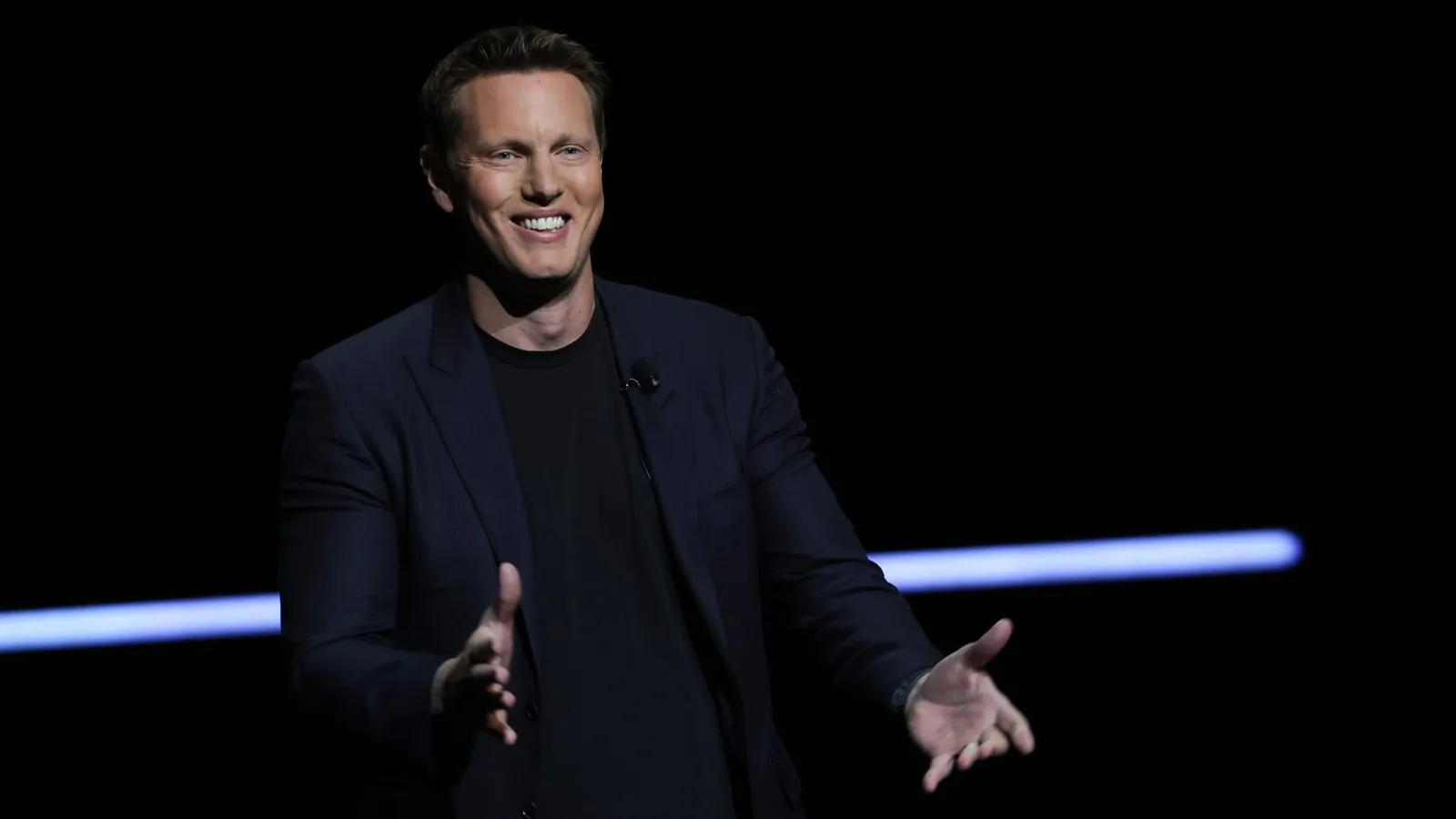
The DOJ approved the proposed merger between Paramount and Warner Bros. Discovery, a major milestone for the roughly $110 billion deal. Decision-makers should treat it as progress, not a finish line, because state attorneys general can still pursue legal challenges.
The Department of Justice has approved the Paramount-Warner Bros. Discovery merger, a key regulatory milestone for a roughly $110 billion deal. That matters because DOJ clearance is often what unlocks the next phase of a mega-merger, where execution, financing, and shareholder expectations all start to align around an anticipated closing date.
But the story does not fully end with DOJ. Even after federal approval, the deal could still face legal challenges from state attorneys general. In other words, the merger has moved from “can this happen legally?” to “how long will it take, and who will slow it down?” For executives and boards, that distinction changes what you should worry about: not just the legal outcome, but the time, cost, and uncertainty of fighting in parallel court tracks.
To understand why this is such a big deal, it helps to know how US antitrust review works in practice. Large media combinations get scrutinized at multiple levels, and the DOJ and state AGs do not always see issues the same way or move on the same timeline. DOJ approval typically signals that, at the federal level, the government believes the merger will not violate antitrust laws or can be cleared under the law’s framework. Yet states can still argue that competition harms, bargaining leverage, or consumer effects exist in ways federal review did not eliminate.
For Paramount and Warner Bros. Discovery, the immediate second-order impact is operational and financial planning. In mega-deals, the regulatory process is only one part of the risk stack. The other parts include deal financing terms, integration readiness, and the market’s appetite for holding shares through regulatory uncertainty. A DOJ “yes” often changes investor sentiment because it reduces the probability of a federal block. Even if investors know states could still sue, the odds distribution shifts, which can influence credit spreads, hedging behavior, and internal planning assumptions.
For boards and leadership teams, this is also a governance and accountability moment. When regulators clear a deal, it raises the internal bar on integration execution. Media mergers are not just about cutting costs. They tend to be about negotiating power with distributors, streaming platforms, advertisers, and content partners, as well as optimizing how libraries are monetized. Approval can therefore increase pressure on management to deliver a coherent strategy: what does the combined company do differently in negotiations, how does it manage overlapping assets, and how does it protect the economics of premium content.
At the same time, the possibility of state challenges keeps uncertainty alive. State litigation can impose delays, create additional legal burdens, and complicate integration timelines. That does not automatically mean the merger will fail, but it can force companies to plan for multiple scenarios. Executives might need to run “integration plans under pause,” where some steps can start while others stay gated until litigation risk drops. The financial implications can include transaction-related costs and potential renegotiation pressure if the deal stretches.
Peers in the media and broader entertainment ecosystem should pay attention because DOJ clearance can become a signal, not just a legal outcome. When regulators clear a major combination, it changes how other dealmakers and antitrust counsel think about what is likely to be permitted and where scrutiny still concentrates. Yet the reminder that states can still challenge is just as important. In this space, regulatory approval at one level does not erase the broader legal environment. It just narrows the attack surface.
So the strategic stake is straightforward. For Paramount and Warner Bros. Discovery, DOJ approval is a meaningful win for getting the merger over the federal line. For decision-makers across corporate America, it is a reminder that regulatory risk is multi-jurisdictional. Clearances can reduce uncertainty, but timelines can still be contested. And for boards, “milestone achieved” should immediately translate into “execution and litigation readiness, in parallel,” because in US antitrust, finishing can look a lot like continuing.
This story's Key Insights and Take-aways are locked.
Create a free account to unlock Executive Actions for one credit.
Register to UnlockAlways free for Executives Club members. Join the Club
More in Business

SpaceX debuts Friday on Nasdaq at $135, surges to $160.95, valued near $1.8T
A Nasdaq opening pop turns SpaceX into a public company overnight, forcing new money questions fast.

SpaceX shares jump 11% after its IPO, signaling a rush of AI mega-offerings
The biggest IPO ever in a crowded market just re-priced risk for the next wave: OpenAI and Anthropic.
Elon Musk became the world’s first trillionaire after SpaceX IPO lifted him past $1T
SpaceX shares jumped, and Musk’s $800B pre-IPO value crossed a trillion, reshaping how investors price “moonshots.”