
SpaceX shares jump 11% after its IPO, signaling a rush of AI mega-offerings
The biggest IPO ever in a crowded market just re-priced risk for the next wave: OpenAI and Anthropic.
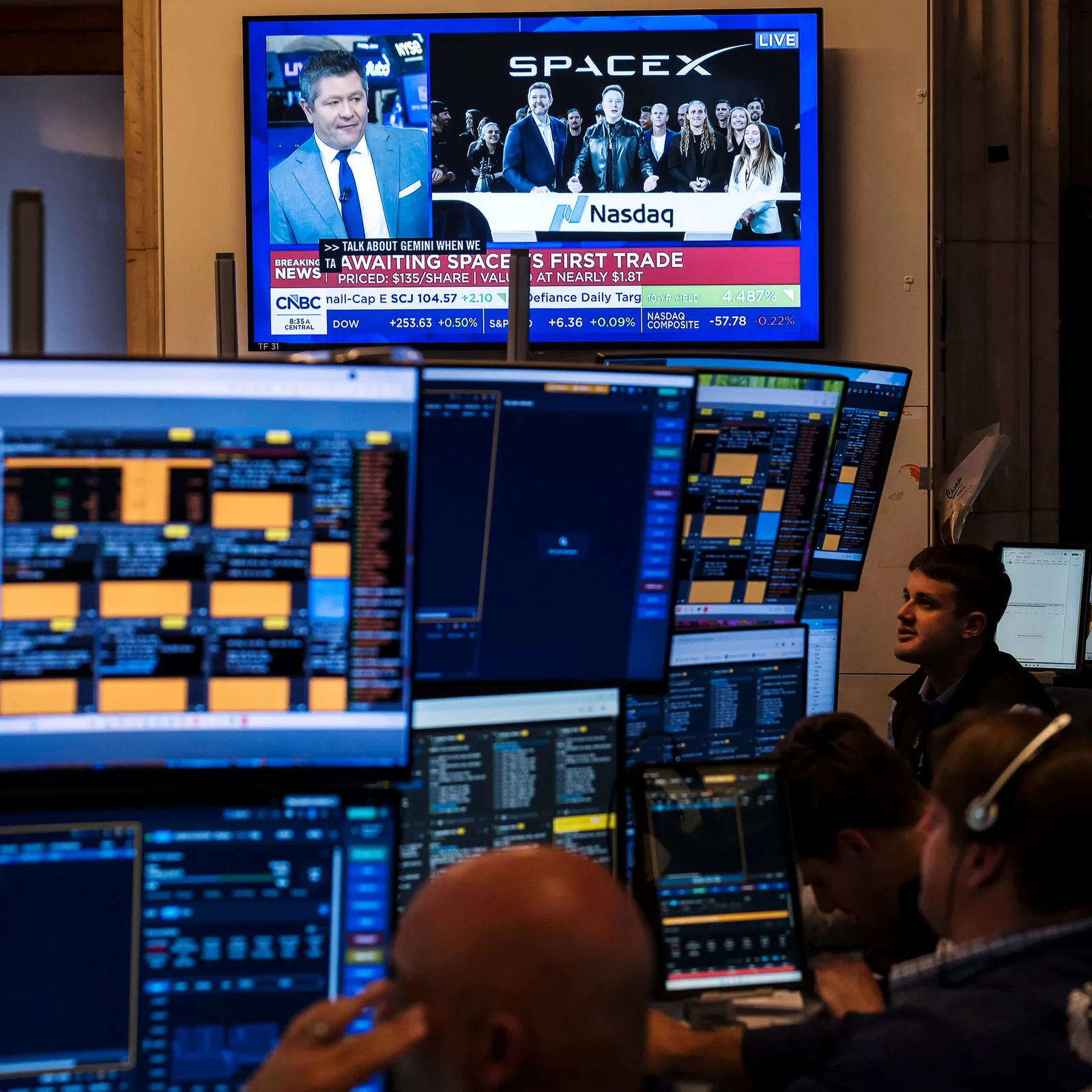
Elon Musk's rocket company SpaceX staged the blockbuster stock market debut that sent its shares up 11%. The move is setting the stage for enormous offerings from OpenAI and Anthropic, with capital markets now cheering AI-scale fundraising.
SpaceX’s IPO did more than print a headline. It sent the stock up 11%, and that percentage matters because it becomes a template for how investors think about the next “once-in-a-generation” offering. In the New York Times report, the debut is described as the largest IPO ever, and it’s directly tied to what comes next for the private markets. If SpaceX can rally on day one, then the capital market’s bar for other mega-raises moves too.
The immediate payoff for decision-makers is simple: SpaceX’s blockbuster debut is creating momentum ahead of the wave of enormous offerings coming from OpenAI and Anthropic. Those companies are not being mentioned as footnotes. They are the next names on the schedule, and the market reaction to SpaceX gives boards and investors a clearer sense of how receptive the public markets will be to AI-scale valuations and growth narratives. In other words, the IPO is not just about rockets. It is a signal about money, timing, and appetite.
To understand why a “largest IPO ever” matters this much, look at how IPO expectations work. Public markets often price the whole ecosystem in one direction. A strong debut can reduce uncertainty for other firms that are weighing whether to go public soon, what structure to choose, and how aggressive their valuation may be. Even when companies are in different sectors, the mechanics of investor sentiment overlap. Investors decide whether to underwrite the story of speed, scale, and long-run dominance. SpaceX’s day-one move tells them those bets can still win big.
There’s also a practical board-level angle. When a company prepares for a future offering, the board has to model two things at once: the company’s operating plan and the market’s reaction function. An IPO pop of 11% is not just a scoreboard number. It can influence how underwriting teams market future deals and how investors interpret risk. That matters for governance decisions like timing, leadership messaging, and how much of the company’s future is framed in the prospectus. The NYT summary ties the SpaceX debut directly to what OpenAI and Anthropic are about to face, implying a real-world domino effect rather than a symbolic one.
Regulatory and disclosure expectations are another piece of the puzzle, even if the source here stays focused on the market headline. Going from private to public usually increases scrutiny, raises compliance demands, and forces more formal governance. But the question for boards is not whether regulation exists. It’s whether the public-market process rewards the company enough to justify the overhead and the transparency. A blockbuster IPO debut can shift the perceived payoff. For OpenAI and Anthropic, the implication is that the market may be signaling openness to massive, complex companies entering public markets, not just those with straightforward, traditional revenue profiles.
Then there is the second-order effect that’s easy to miss: SpaceX’s IPO becomes an “availability heuristic” for capital allocators. Once investors see that a mega-offering can launch successfully, they remember that story when they meet management teams months later. That can translate into faster interest, bigger initial commitments, and potentially more aggressive marketing of comparable offerings. For executives and boards at other high-growth firms, the takeaway is not “copy SpaceX.” It is “understand that one public debut can change the baseline assumptions in the room.”
Finally, zoom out to the broader capital markets dynamic. When the biggest IPO ever happens, it can crowd attention, rewrite expectations, and recalibrate how institutional money allocates across technology categories. The source explicitly links the SpaceX debut to “a wave of enormous offerings” coming from OpenAI and Anthropic. That wording matters because it suggests a coordinated shift in deal cadence, not a one-off event. In plain terms: the IPO calendar is about to get louder, and the winners will be the companies that align their readiness, narrative, and disclosures with the mood investors just demonstrated.
This story's Key Insights and Take-aways are locked.
Create a free account to unlock Executive Actions for one credit.
Register to UnlockAlways free for Executives Club members. Join the Club
More in Business

SpaceX debuts Friday on Nasdaq at $135, surges to $160.95, valued near $1.8T
A Nasdaq opening pop turns SpaceX into a public company overnight, forcing new money questions fast.
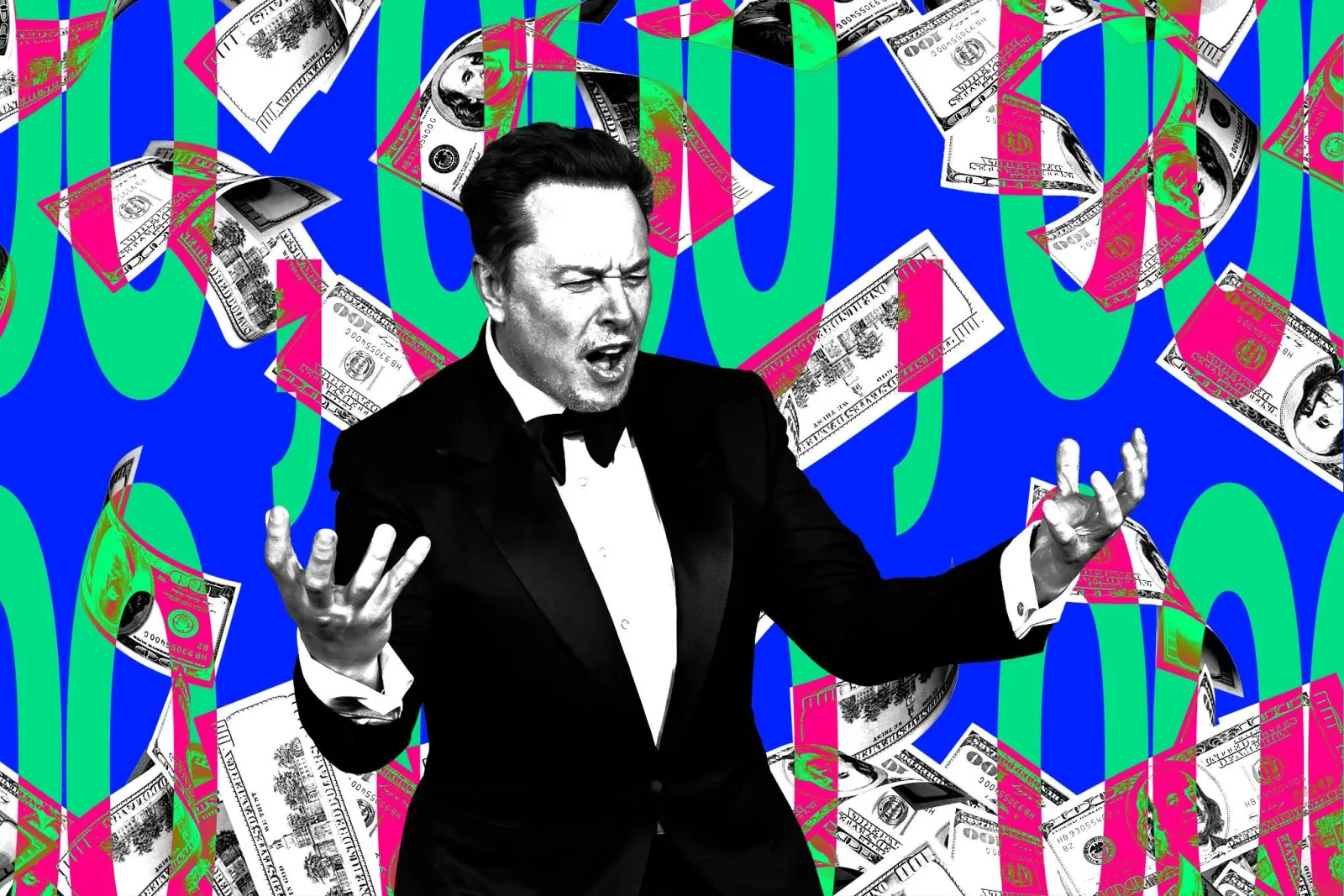
Elon Musk became the world’s first trillionaire after SpaceX IPO lifted him past $1T
SpaceX shares jumped, and Musk’s $800B pre-IPO value crossed a trillion, reshaping how investors price “moonshots.”
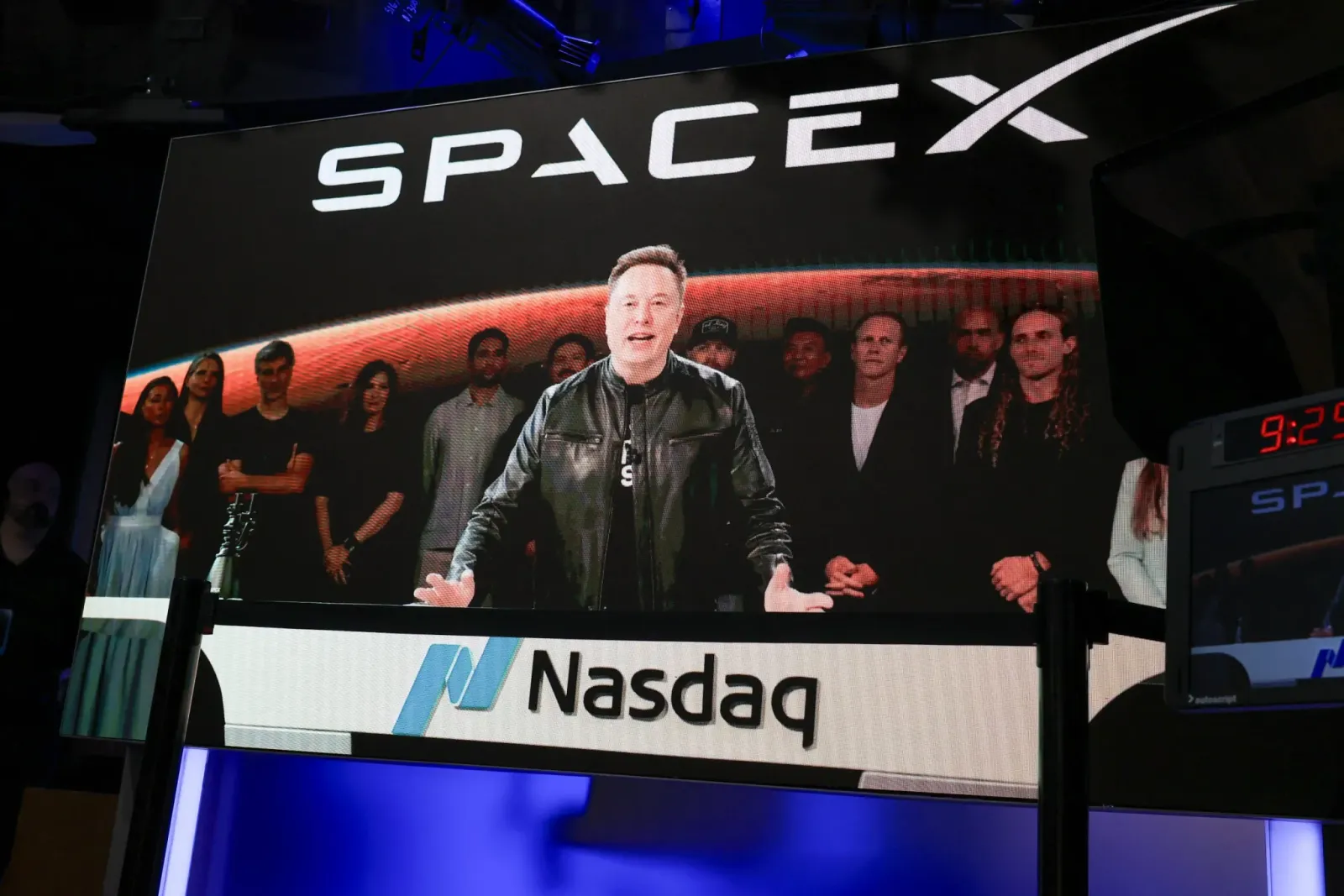
SpaceX stock closes at $161.11 after $2.1T debut valuation shatters expectations
The IPO priced at $135, surged on Nasdaq and Texas, and immediately rewired how executives think about mega-debuts.